
- Why Cars Matter in the Transformers Universe
- Autobots: Heroes Defined by Their Wheels
- Decepticons: When Cars Become Weapons
- Dinobots: When Cars Are No Longer Enough
- Quick Reference Table
- The Real-World Impact on Car Culture
Few movie franchises have shaped automotive pop culture as powerfully as Transformers. Since the release of the first live-action film in 2007, cars have stopped being just transportation on screen—they became characters with personalities, loyalties, and emotional weight.
In the Transformers universe, a vehicle choice is never random. Every car reflects the character’s role, mindset, and power. From heroic semi-trucks to aggressive police cars and military jets, Transformers created a direct link between automotive design and storytelling, influencing how audiences view real-world vehicles.
Why Cars Matter in the Transformers Universe
Transformers are alien robots from Cybertron, but on Earth, they survive by blending in as vehicles. This narrative choice does more than hide them—it turns cars into:
Symbols of identity
Tools of character development
Extensions of personality
A heroic leader becomes a truck.
A rebellious scout becomes a sports coupe.
A villain becomes a police car or fighter jet.
The result is a franchise where car culture and character mythology are permanently fused.
Autobots: Heroes Defined by Their Wheels
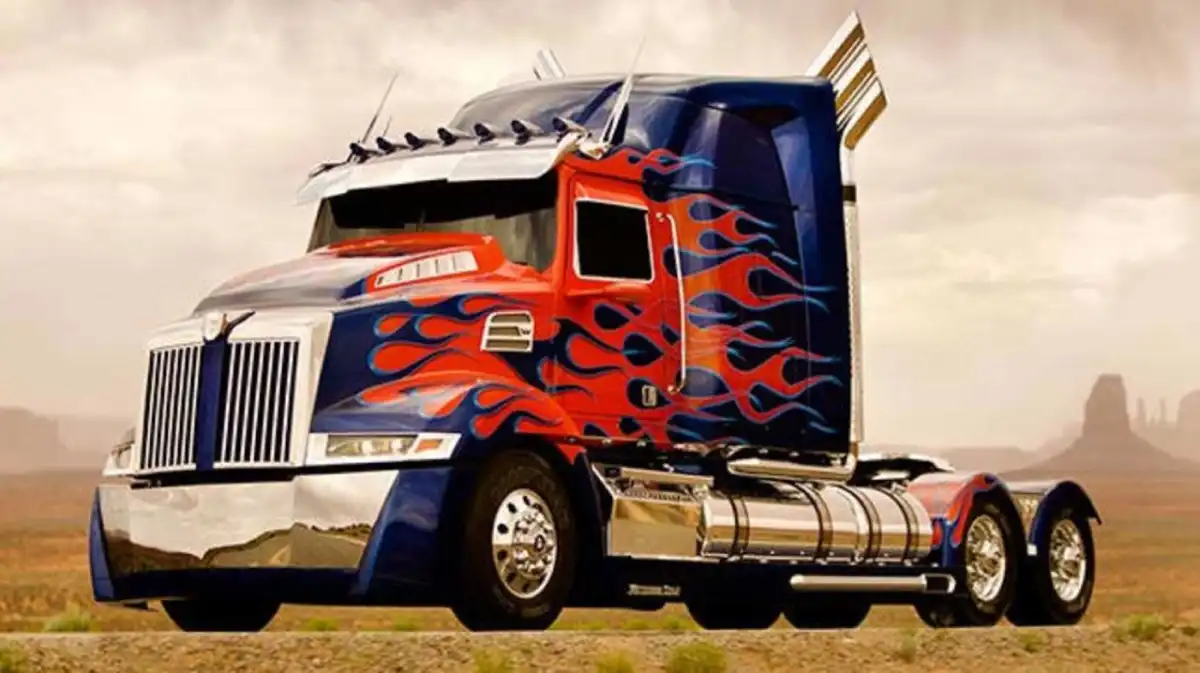
Optimus Prime – The Truck That Carries Leadership
Vehicle Form: Semi-Truck
Why It Fits:
Optimus Prime’s truck form represents strength, reliability, and responsibility. Trucks are workhorses—built to carry weight and endure long journeys—just like Optimus himself.
In automotive terms, Optimus Prime made the semi-truck a symbol of heroism rather than pure utility.
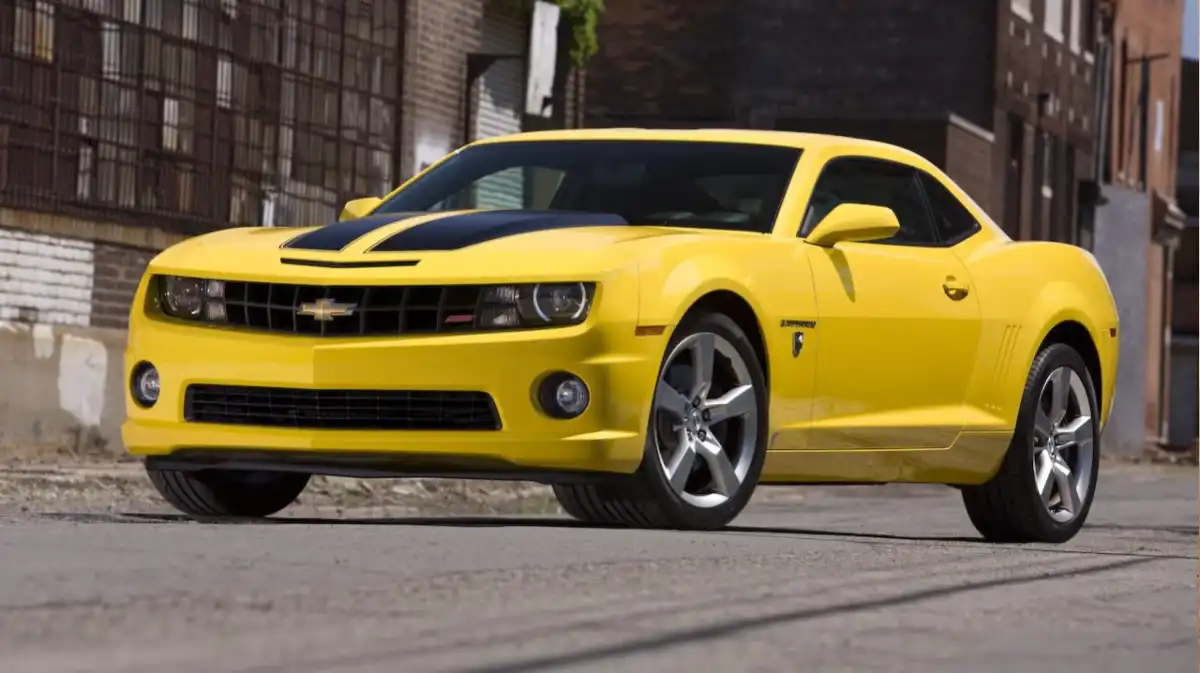
Bumblebee – The Car That Became a Star
Vehicle Form: Sports Coupe (most famously a Camaro)
Why It Fits:
Bumblebee is youthful, fast, and emotional. A compact sports car reflects agility, accessibility, and charm. His vehicle form turned him into the most relatable Transformer—and arguably the most famous.
After Transformers, the Camaro wasn’t just a muscle car; it became a character with a fanbase.
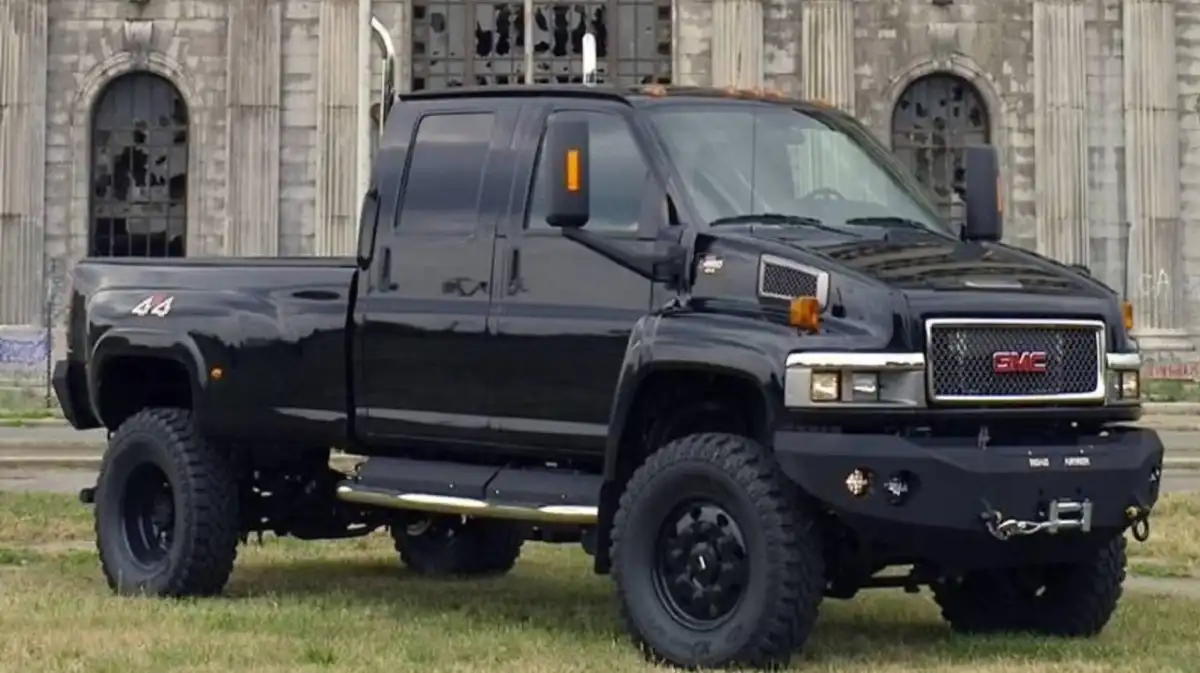
Ironhide – Built Like a Tank
Vehicle Form: Heavy Pickup / Truck
Why It Fits:
Ironhide’s truck form mirrors brute strength and battlefield toughness. Pickups and heavy-duty trucks symbolize durability and firepower, making them perfect for the Autobots’ weapons expert.
Ratchet – Saving Lives on Four Wheels
Vehicle Form: Ambulance / Utility SUV
Why It Fits:
As the Autobot medic, Ratchet’s emergency-vehicle form reinforces his role visually. Sirens, lights, and medical imagery instantly communicate his mission—protection and recovery.
Jazz – Style Meets Strategy
Vehicle Form: Sports Roadster
Why It Fits:
Jazz represents speed, style, and tactical intelligence. His sleek design reinforces the idea that Autobots aren’t just powerful—they’re precise and cool under pressure.
Decepticons: When Cars Become Weapons
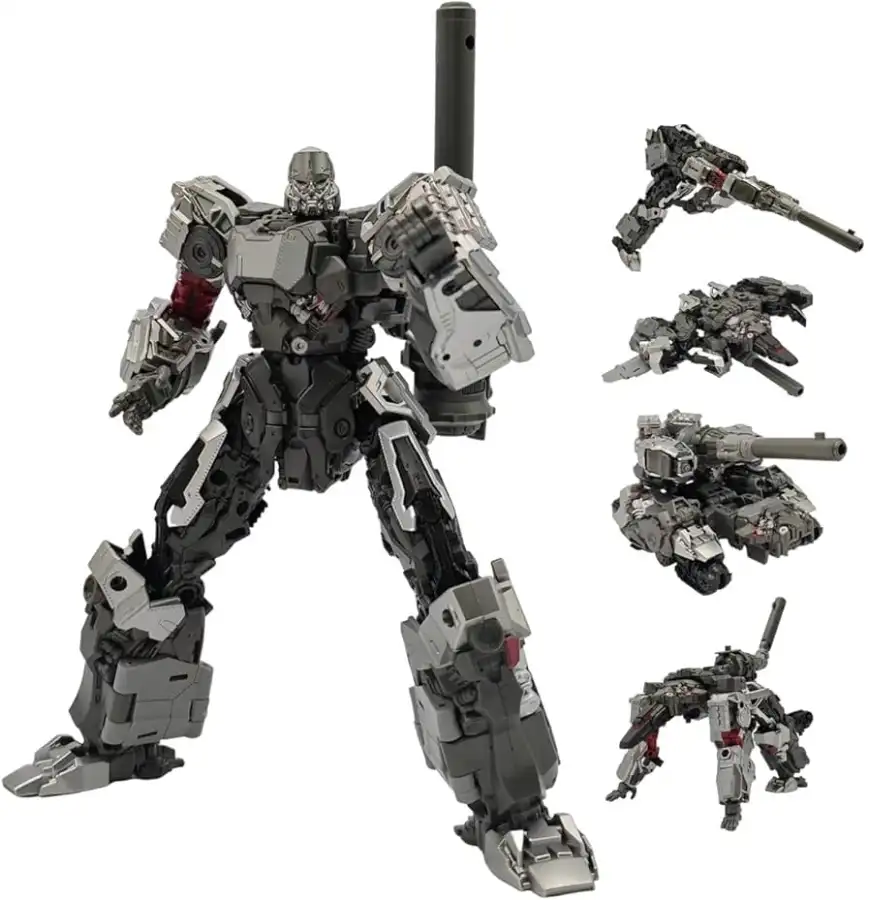
Megatron – Power Without Disguise
Vehicle Form: Tank / Jet-like Military Machine
Why It Fits:
Unlike Autobots, Megatron doesn’t try to blend in as a civilian vehicle. His military form reflects domination, aggression, and intimidation—pure force over subtlety.
Starscream – Speed, Ego, and Betrayal
Vehicle Form: Fighter Jet
Why It Fits:
Jets symbolize speed, superiority, and danger. Starscream’s aerial dominance matches his ambition and instability, making the fighter jet a perfect visual metaphor.
Barricade – Authority Turned Evil
Vehicle Form: Police Car
Why It Fits:
Barricade is one of the most clever automotive metaphors in the franchise. A police car—normally associated with safety—becomes a tool of fear and deception.
Soundwave – Silent and Deadly
Vehicle Form: Luxury Performance Car / Armored Vehicle
Why It Fits:
Soundwave is quiet, calculated, and observant. His refined vehicle form suggests intelligence, control, and technological superiority.
Dinobots: When Cars Are No Longer Enough
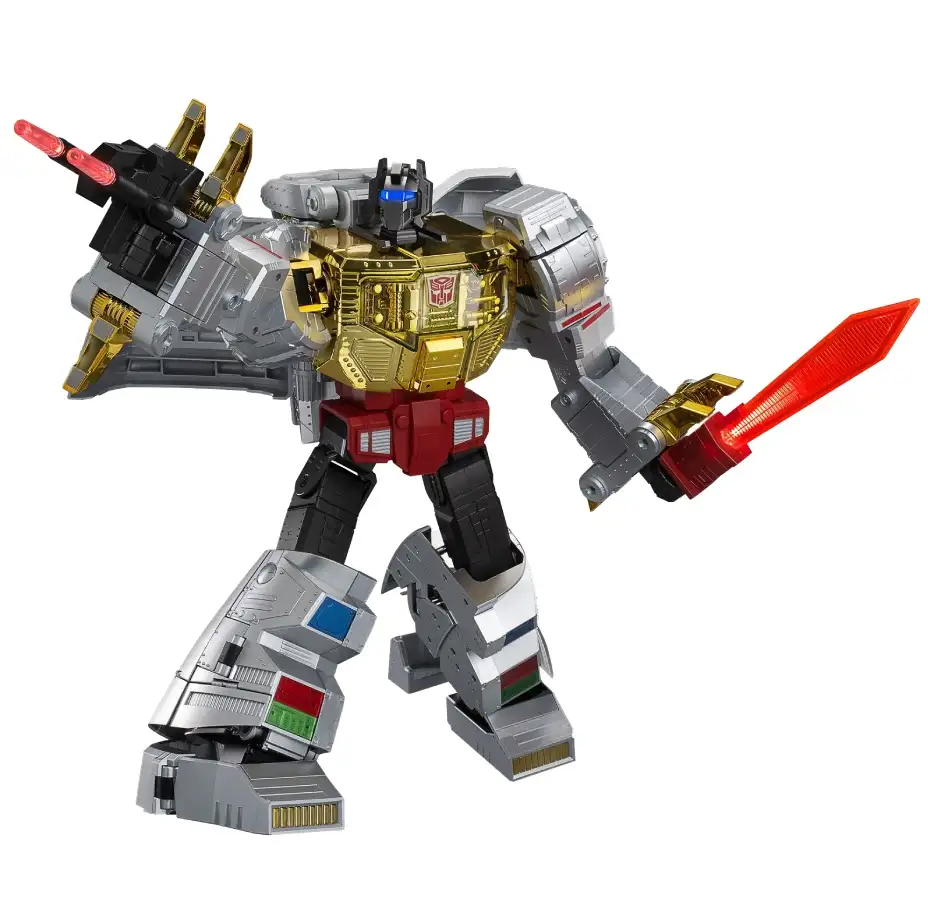
Grimlock – Beyond Cars
Form: Mechanical T-Rex
Why It Fits:
The Dinobots reject disguise entirely. Grimlock’s dinosaur form represents raw, untamed power—proving that sometimes, intimidation matters more than camouflage.
Quick Reference Table
Character | Faction | Vehicle / Form |
|---|---|---|
Optimus Prime | Autobots | Semi-Truck |
Bumblebee | Autobots | Sports Coupe |
Ironhide | Autobots | Heavy Pickup |
Ratchet | Autobots | Ambulance |
Jazz | Autobots | Roadster |
Megatron | Decepticons | Tank / Jet |
Starscream | Decepticons | Fighter Jet |
Barricade | Decepticons | Police Car |
Soundwave | Decepticons | Performance Car |
Grimlock | Dinobots | T-Rex |
The Real-World Impact on Car Culture
Transformers didn’t just entertain—it reshaped automotive perception:
Sports cars gained personality and emotion
Trucks became heroic symbols
Police cars gained darker cinematic interpretations
Car design became storytelling language
Automakers benefited from this exposure, while audiences began associating vehicles with identity rather than just performance numbers.
The success of the Transformers franchise lies in its unique understanding of cars as more than machines. By transforming vehicles into characters with identity, emotion, and purpose, the series permanently reshaped how audiences perceive automobiles on screen.
Each vehicle choice—whether a truck, sports car, police cruiser, or fighter jet—serves as a visual extension of personality and role, turning automotive design into a storytelling language. This fusion of character and machine elevated cars from background props to cultural icons.
Ultimately, Transformers proved that when design, function, and narrative align, a car can become more than transportation—it can become a legend.