

- What Is Peugeot’s Square Steering Wheel & Steer-by-Wire System?
- Evolution of the Concept & Real-World Testing
- Learning Curve & Driving Dynamics
- Is the System Ready for Saudi Roads? Local Market Considerations
- Pricing Expectations & Market Timing
- What This Innovation Means for Drivers
Peugeot is preparing a significant shift in interior design and driving experience with its bold new square steering wheel and steer-by-wire system (Steer-by-Wire), slated to debut in the next-generation Peugeot 208 expected in 2026. Rather than being a mere styling statement, this innovative system promises a different approach to vehicle control and driver feedback — challenging conventions that have dominated driving for over a century.
This article reviews the technology, testing feedback, local market readiness (including Saudi Arabia conditions), and what this could mean for future Peugeot models beyond the 208.
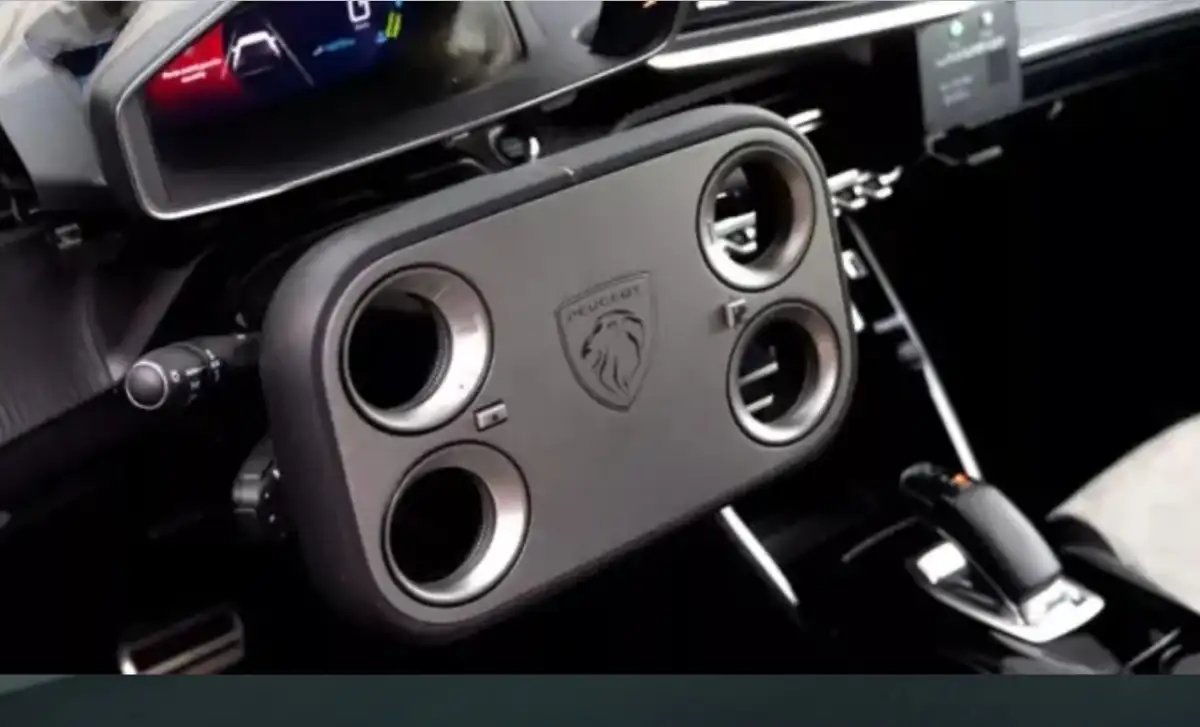
What Is Peugeot’s Square Steering Wheel & Steer-by-Wire System?
Unlike traditional mechanical steering linkages, steer-by-wire technology removes the physical connection between the steering wheel and the front wheels. Instead, electronic signals interpret driver inputs — similar to “fly-by-wire” systems in modern aircraft.
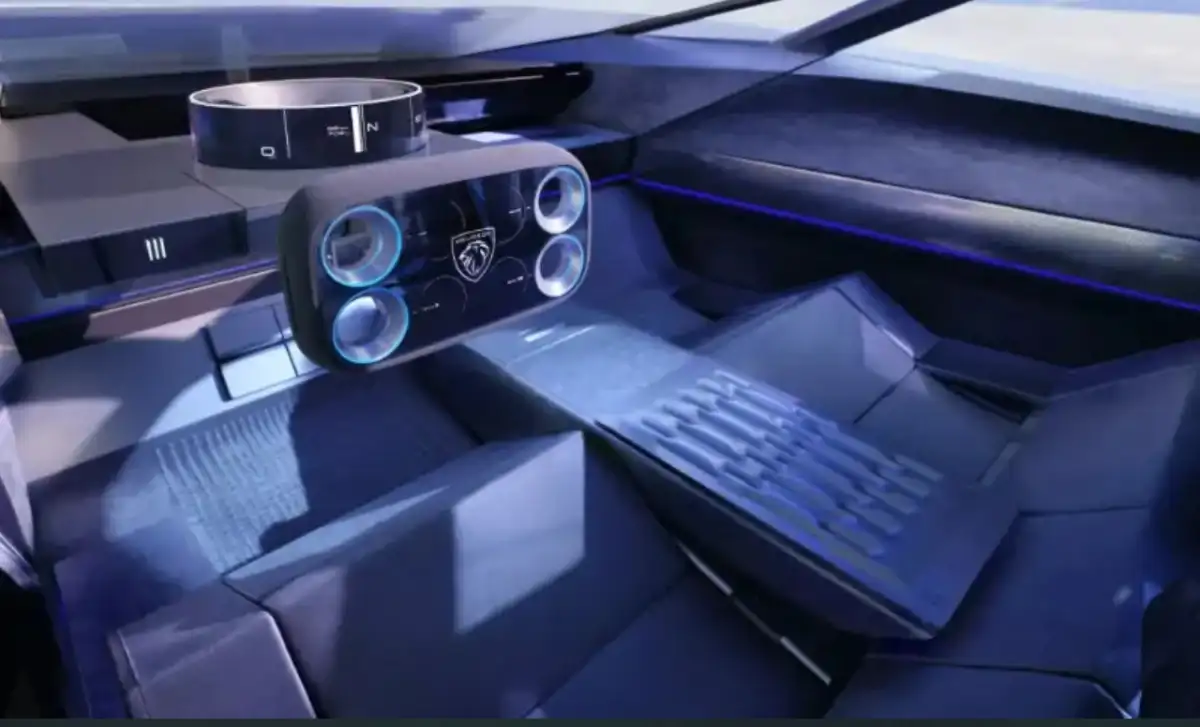
Square Steering Design: The redesigned wheel includes geometric contours and wide grips for improved thumb placement.
Electronic Control: Steering inputs are translated via electronic actuators, enabling variable steering ratios based on speed.
Haptic Feedback: Sensors relay force and surface cues back to the wheel via vibration, simulating road feel.
This technology is a departure from traditional hydraulic or electric linkages and represents a significant leap in how drivers interact with their vehicles.
Evolution of the Concept & Real-World Testing
Peugeot first showcased the square steering concept years ago in design studies and prototypes. But now, the company has taken the idea out of concept art and placed it into a real test vehicle:
A pre-production Peugeot E-2008 test car has been fitted with the square wheel and steer-by-wire system for trial runs.
Unlike past experiments by other brands (e.g., Corvette C8 or Mercedes AMG ONE), Peugeot is bringing this directly to a volume production model.
Early feedback from test drivers indicates that the wheel’s shape and haptic systems can feel surprisingly natural once accustomed.
Steer-by-wire allows Peugeot to dynamically adjust steering response based on speed — with a quick ratio at low speeds for urban maneuvers and a more stable ratio at highway speeds.
Learning Curve & Driving Dynamics
The initial reactions reveal two distinct characteristics of the system:
Speed-Dependent Steering
In tight, low-speed environments (like parking), the steering ratio can reach about 5:1, meaning small movements result in swift directional changes — far quicker than typical hydraulic systems.
This can feel “nervous” initially until the driver adjusts to the sensitivity.
Driver Adaptation
Test drivers reported a learning curve with the system — aggressive at first, but smoother as familiarity grew.
Peugeot plans multiple drive modes (e.g., “Easy” for city driving and “Sport” for high speeds) that tailor the steering feel.
The haptic feedback system is designed to retain tactile sensations, helping drivers feel “connected” to the road even without a mechanical linkage.
Is the System Ready for Saudi Roads? Local Market Considerations
Although the Peugeot 208 is not the highest-volume model in Saudi Arabia, introducing steer-by-wire could impact future SUV models (e.g., 3008 or 5008) popular in the region.
Local Driving Challenges
Traffic in dense cities like Riyadh demands precise low-speed control — making the system’s early sensitivity a training factor.
At higher, open-road speeds, the system stabilizes and feels more predictable.
Extreme heat (e.g., summers in Makkah) adds a challenge for complex electronics — something Peugeot must validate for reliability in GCC climates.
Pricing Expectations & Market Timing
Peugeot’s integration of this advanced steering tech is expected to influence pricing:
Given added capabilities and electronics, the steering innovation is likely to push the 208’s price above current levels.
Key Benefits of the System
Greater flexibility in steering feel and responsiveness
Customizable drive modes tailored to environment and driver preference
Enhanced cockpit design freedom (no rigid steering column)
Potential for future integration across Peugeot’s SUV lineup
What This Innovation Means for Drivers
Peugeot’s steer-by-wire and square steering wheel combo is not a gimmick — it’s a technological leap that challenges the conventional idea of steering mechanics. The system will likely debut on the 208 in 2026, and if successful, could expand to Peugeot’s more popular SUVs — reshaping the driving experience for modern vehicles.