
- A Strategic Shortcut, Not Just a Platform Deal
- Why Chery Is the Name Behind the Story
- The Avinya Brand Gets a Second Chance
- Why This Matters Beyond India
- A New Reality for Traditional Automakers
- The Bottom Line
Tata Turns to Chery as Chinese EV Technology Becomes Hard to Avoid
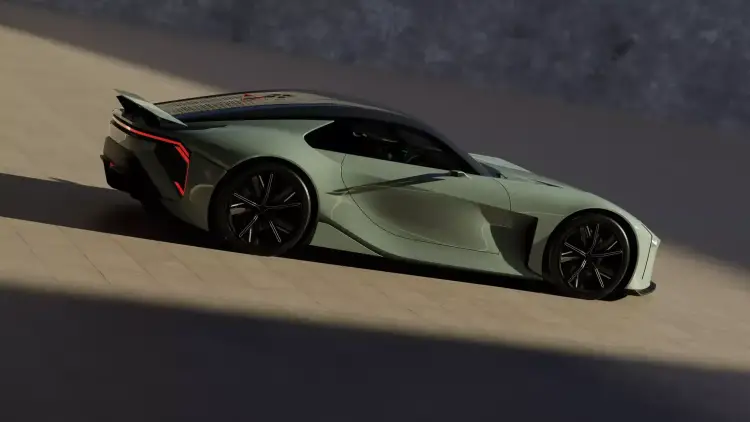
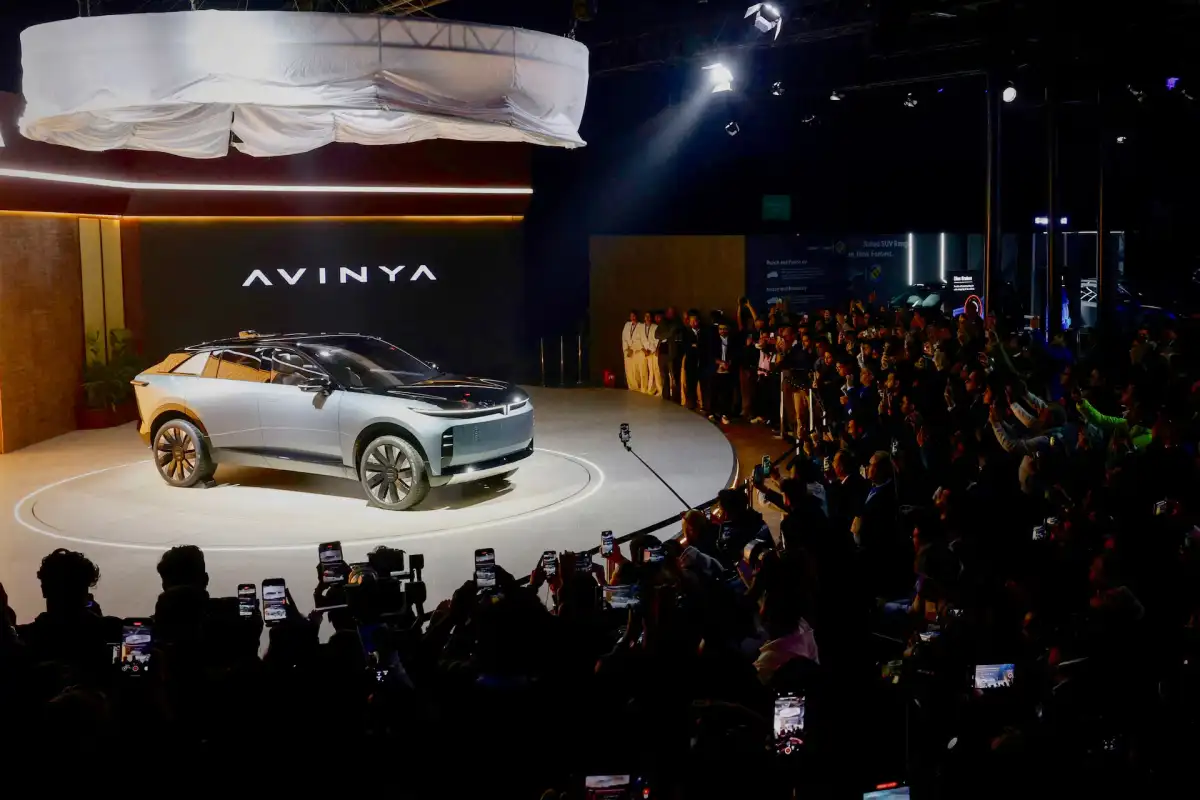
TataKSA TataOman TataQatar Tata Motors is preparing a major reset for its premium electric vehicle strategy, and the new direction points clearly toward China. The Indian carmaker will use a platform developed through the CheryKSA CheryKuwait CheryQatar CheryBahrain CheryUAE CheryOman CheryEgypt Chery Jaguar Land RoverUAE Land RoverKSA Land RoverKuwait Land RoverQatar Land RoverOman Land RoverBahrain Land RoverEgypt Land Rover joint venture in China for its first Avinya electric model, giving the delayed premium EV project a faster route to production.
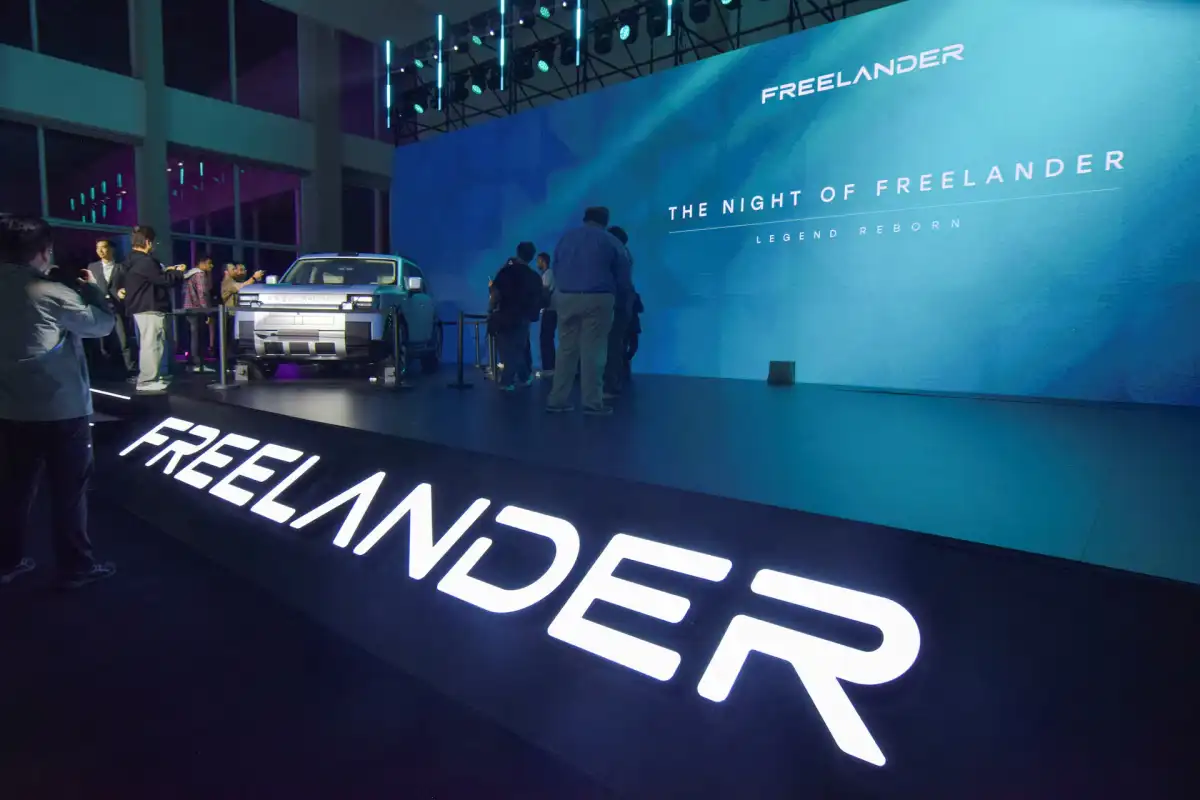
The first Avinya model is now expected to launch in 2027 and will be built at Tata’s new manufacturing facility in Panapakkam, Tamil Nadu. According to Reuters, the vehicle will use Chery’s technology under the Freelander platform, with early units assembled in India from kits supplied from China.
A Strategic Shortcut, Not Just a Platform Deal
This is not a normal supplier agreement. It is a sign of how quickly the global EV industry has changed. Tata originally planned to use Jaguar Land Rover’s EMA electric architecture for Avinya, but that roadmap was disrupted after JLR shelved plans to build EMA-based EVs in India. Chery now gives Tata a ready-made EV foundation at a time when speed matters more than ever.
For Tata, the logic is clear. Developing a competitive premium EV platform from scratch takes years, heavy investment and major technical risk. By using a proven Chinese-linked architecture, Tata can focus more on localisation, software, design, cabin experience and brand positioning.
Why Chery Is the Name Behind the Story
Chery is not only another Chinese automaker. It has become one of China’s most aggressive global exporters, and its partnership with JLR in China has created a useful bridge between Chinese engineering and global brand ambitions. Reuters previously reported that Chery is trying to combine Toyota-style global manufacturing discipline with Tesla-style technology speed.
The platform Tata is using is linked to the new Freelander EV programme, developed through CJLR. Reports say the architecture supports 800-volt technology, ultra-fast charging, and flexibility for pure EV, plug-in hybrid and range-extender applications. That flexibility matters because global markets are not moving toward electrification at the same speed.
The Avinya Brand Gets a Second Chance
Avinya was supposed to represent Tata’s premium electric future. But delays weakened the momentum, especially as Indian competitors such as Mahindra and JSW MG Motor became more aggressive in EVs. Reuters reported that Tata’s electric models currently account for 14% of its total sales, with a target to reach 30% by 2030.
The Chery-linked platform gives Avinya a practical restart. Instead of waiting for a fully internal architecture, Tata can bring a premium EV to market sooner while still building its own long-term platform strategy.
Why This Matters Beyond India
The bigger story is the rise of Chinese EV technology as a global backbone. Western, Indian and emerging-market automakers may compete with Chinese brands in showrooms, but behind the scenes, many are finding it difficult to match China’s speed in batteries, software integration, supply chains and development cost.
That makes this deal important for markets like the GCC as well. Buyers in the UAE and Saudi Arabia may soon see more cars from non-Chinese brands carrying Chinese-developed platforms, batteries or software beneath the surface. The badge may be Indian, European or American, but the technology foundation could increasingly come from China.
A New Reality for Traditional Automakers
The message is clear: Chinese automakers are no longer only rivals. They are becoming technology suppliers, platform partners and development shortcuts for global brands.
For Tata, Chery offers speed. For Chery, Tata offers another route to international influence. For the wider industry, the deal shows that China’s role in the EV race is no longer limited to selling cars under Chinese names.
The Bottom Line
Tata’s move to use Chery-linked technology for Avinya is one of the clearest signs yet that the EV race is being rewritten. The winners may not only be the brands that sell the most cars, but the companies whose platforms, batteries and software quietly power the next generation of vehicles around the world.
For Cartea readers, the angle is simple: Chinese automotive technology is no longer staying inside Chinese brands. It is becoming part of the global car industry’s foundation.