

- 1. The Origin of Automotive Safety Glass
- 2. How Windshields Differ from Other Car Windows
- 3. How Each Type of Glass Is Made
- Laminated Glass (Windshield)
- Tempered Glass (Side/Rear Windows)
- 4. Practical Benefits of Each Glass Type
- Benefits of Laminated (Windshield) Glass
- Benefits of Tempered (Side/Rear) Glass
- 5. Safety Legislation and Global Standards
- 6. Surprising Facts About Car Glass
- 7. How to Identify Glass Type in Your Own Car
- 8. Tips to Extend the Life of Your Car Glass
- 9. Structural Engineering – Glass as a Load‑Bearing Component
- 10. The Future – Smart and Interactive Glass
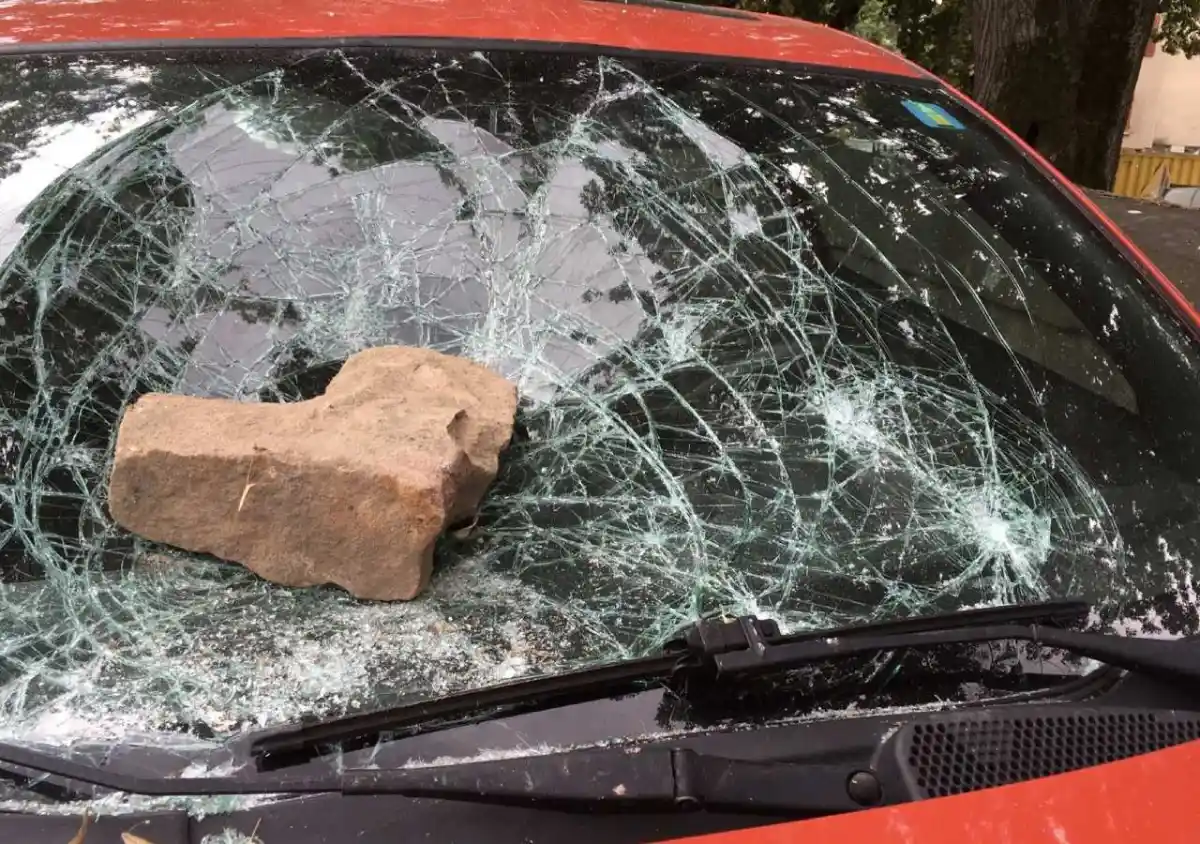
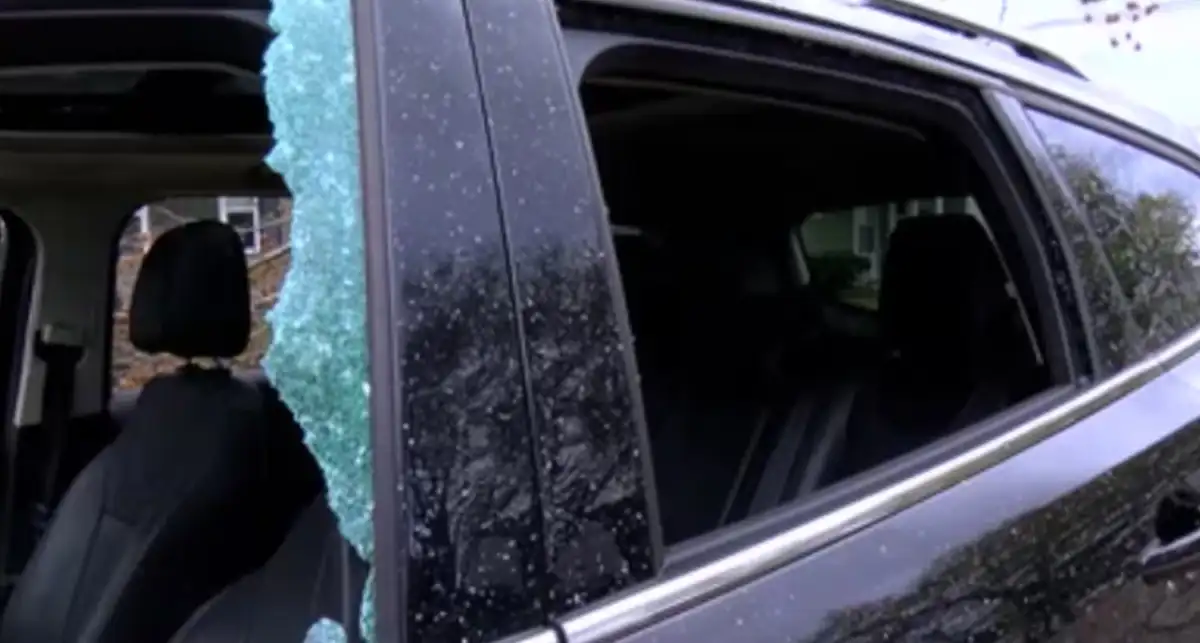
Have you ever noticed how car side or rear windows instantly break into countless small glass pebbles during an accident, while the front windshield remains mostly intact — forming web‑like cracks instead of exploding?
That’s not a coincidence of design; it’s the result of more than a century of evolution in the science of automotive safety glass, combining multi‑layered glass and plastic technology to protect occupants from injury.
This article explores the technical and historical background behind this phenomenon, explaining the difference between laminated glass and tempered glass, and revealing how each plays a vital role in your car’s safety — saving thousands of lives over the decades.
1. The Origin of Automotive Safety Glass
At the dawn of the 20th century, cars were becoming faster while road safety regulations were still primitive. Crashes often resulted in severe lacerations because ordinary glass would break into large, sharp shards.
In 1906, French chemist Édouard Benedictus accidentally discovered that a glass flask coated with a thin layer of cellulose nitrate didn’t shatter when dropped. This led to the creation of laminated safety glass, which debuted in early automobiles about a decade later.
By the 1950s, laminated glass became a mandatory safety component worldwide, with standards such as FMVSS 205 (Federal Motor Vehicle Safety Standard) defining consistent performance requirements for automotive glass in the U.S.
2. How Windshields Differ from Other Car Windows
Modern cars use two main types of glass, each engineered with a specific purpose: protection versus practicality.
3. How Each Type of Glass Is Made
Laminated Glass (Windshield)
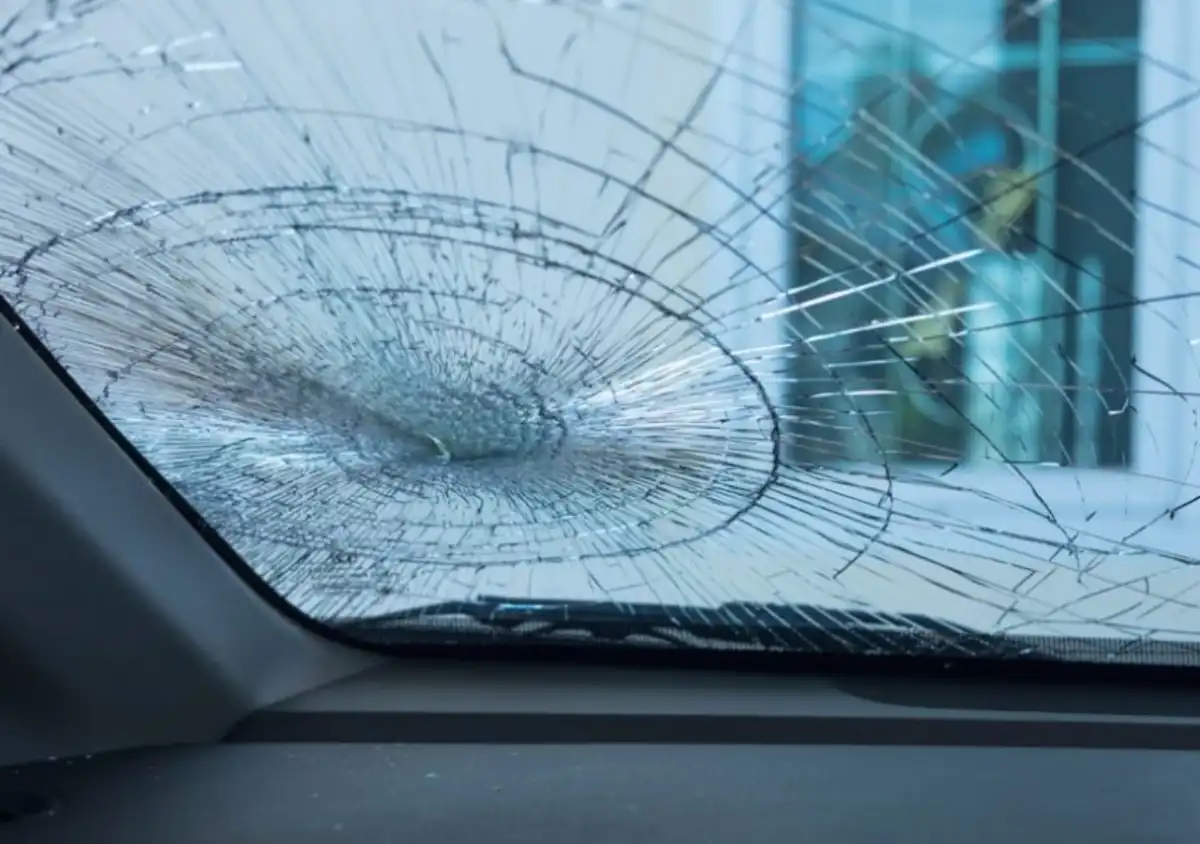
Made of three layers: two sheets of glass bonded with a PVB (polyvinyl butyral) plastic interlayer.
When struck, both glass sheets may crack, but the PVB film keeps the fragments glued together.
The result: spider‑web cracking rather than total fragmentation, keeping the surface intact and occupants safe.
Tempered Glass (Side/Rear Windows)
The glass is heated to over 1,100 °F (≈600 °C) and then rapidly cooled.
This process creates surface compression and internal tension, making it five to ten times stronger than ordinary glass.
When broken, it bursts into hundreds of tiny, blunt cubes instead of sharp shards — minimizing the risk of severe injury.
4. Practical Benefits of Each Glass Type
Benefits of Laminated (Windshield) Glass
Prevents external objects like rocks or debris from entering the cabin.
Helps support the vehicle’s roof structure in rollover accidents.
Keeps passengers from being ejected during frontal crashes.
Provides excellent sound insulation and UV protection.
Enables integration of HUDs (Head‑Up Displays) and rain or light sensors.
Benefits of Tempered (Side/Rear) Glass
Allows quick emergency exit if the vehicle is submerged or on fire.
Highly resistant to sudden temperature changes or heat stress.
Lightweight and inexpensive to manufacture.
When broken, forms small rounded glass pebbles that are safer on contact.
5. Safety Legislation and Global Standards
As cars became integral to everyday life, governments introduced strong safety regulations:
In the U.S., FMVSS 205 standardizes the use of laminated and tempered glass for specific vehicle zones.
European markets follow ECE R43, ensuring that every windshield must be laminated.
Volvo, in the 1950s, made laminated windshields standard long before it became a legal requirement elsewhere.
These global laws have reduced crash‑related glass injuries and ejections by more than 60 percent over the last few decades.
6. Surprising Facts About Car Glass
According to a landmark NHTSA evaluation (DOT HS‑806 693, 1985), laminated windshields prevent around 700 ejection fatalities per year in the U.S. alone.
Premium vehicles (Mercedes‑Benz S‑Class, BMW 7 Series) now use laminated side windows for enhanced noise reduction.
Smartphones use similar concepts: tempered glass for shatter resistance and hardness.
Modern EVs like Tesla Model S offer optional acoustic laminated side glass to improve cabin quietness.
Armored or special‑duty vehicles use hybrid laminated‑tempered composites for partial bullet and debris protection.
7. How to Identify Glass Type in Your Own Car
Look closely at the etched markings (engraving) near the lower corner of each glass pane:
If you spot “LAMINATED” or “LAM”, it’s windshield‑type safety glass.
If the word “TEMPERED” appears, it’s reinforced side or rear glass.
Always match the same glass type during replacement; using the wrong type can compromise both structural rigidity and airbag deployment.
8. Tips to Extend the Life of Your Car Glass
Avoid sudden temperature shocks: Never rinse a hot car with cold water immediately after parking under the sun.
Use ammonia‑free cleaners to preserve the PVB interlayer in laminated glass.
Replace wipers regularly: worn blades can cause micro‑scratches that weaken the glass.
Skip dark films on the windshield unless certified safe; excessive tint can distort visibility and heat reflection.
9. Structural Engineering – Glass as a Load‑Bearing Component
Automotive glass is no longer just a “see‑through” material; it’s an active structural element.
The windshield alone contributes up to 30 percent of roof rigidity during rollovers. Replacing it with non‑OEM glass can compromise vehicle safety ratings.
Airbag systems also rely on the windshield as a backstop during deployment — meaning structural integrity is essential for correct operation.
10. The Future – Smart and Interactive Glass
The next generation of automotive glass goes beyond protection: it’s becoming intelligent and connected.
Technologies under development include:
Electrochromic glass that can automatically dim or clear on command.
Augmented‑reality head‑up displays (AR‑HUD) integrating real‑time navigation and alerts directly on the glass.
Thermal‑control glass that adjusts transparency based on sunlight to optimize cabin heat management.
The goal: transforming glass from a passive safety barrier into an interactive digital surface enhancing comfort and driver awareness.
Whether you’re looking through the side window or across the windshield, remember that every clear sheet of glass around you is a product of over a hundred years of innovation, chemistry, and safety engineering.
The windshield protects you from flying debris and ejection; the side glass frees you when escape is necessary. Together, they form an invisible shield — the unsung hero of modern car safety.
Every time you take the wheel, these transparent layers quietly guard your life and the lives of everyone inside.