
- 1. Understand the Logic Behind the Law
- 2. Use Technology as a Safety Partner, Not a Threat
- 3. Adopt Defensive Driving as Your Daily Style
- 4. Let Vehicle Maintenance Work for Your Safety (and Your Record)
- 5. Be the Role Model Driver Your Community Needs
- Key Messages Behind Tougher Fines
- Bigger Picture: Vision 2030 and Road Safety
Saudi Arabia’s traffic landscape is changing fast. In recent years, the Kingdom has tightened traffic regulations and increased penalties on dangerous behaviors such as speeding, running red lights, and distracted driving, all as part of a broader push to cut road deaths and serious injuries under Vision 2030. These reforms are more than just higher numbers on a fine list; they sit within a comprehensive national effort that has already helped reduce road traffic fatalities significantly compared with a decade ago.
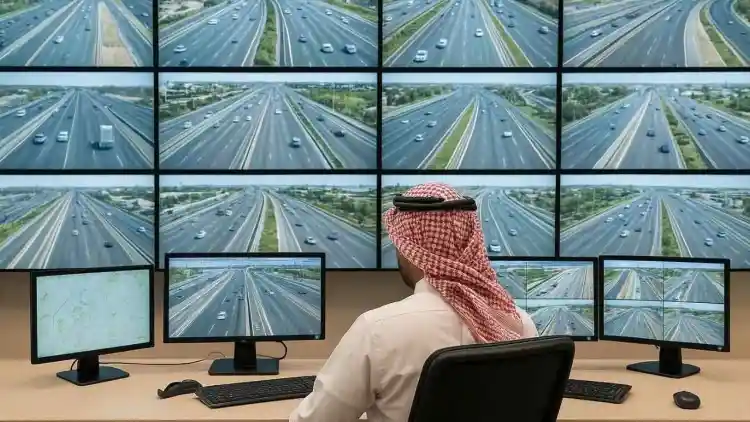
For drivers, this means one thing: driving “the old way” is no longer an option. Cameras, automated enforcement systems, and stricter follow‑up on repeat offenders have made it harder than ever to get away with risky behavior. But the aim is not punishment for its own sake; it is to reshape driving culture into something safer, more disciplined, and more respectful of other people’s lives. This article lays out five practical strategies that will help you avoid costly fines and, more importantly, protect yourself and your family every time you start the engine.
1. Understand the Logic Behind the Law
Most drivers see traffic rules as a list of “don’ts” with price tags attached. In reality, each fine—especially the harsher ones introduced or tightened in recent years—is tied to a behavior that repeatedly shows up in serious and fatal crashes.
Running red lights, illegal racing, or drifting are now among the most expensive violations, because they are strongly linked to high‑impact collisions at intersections and high speeds.
Reckless driving, driving against the flow of traffic, and similar offenses can even lead to jail time or, for expatriates, deportation in serious cases.
Distracted driving and failure to keep a safe distance are targeted because they cause a high volume of rear‑end and side‑impact crashes on busy urban roads.
When you understand that the harsher fine is directly connected to a specific, proven risk, your mindset shifts from “How do I avoid a ticket?” to “How do I avoid becoming a statistic?”. That shift in perspective is the foundation of genuinely safer driving.
2. Use Technology as a Safety Partner, Not a Threat
Many drivers associate technology in traffic with speed cameras and automated fines. Yet, the same technological progress that powers enforcement can also help you become a safer, more compliant driver.
Tools that work in your favor:
Navigation apps with speed‑limit alerts: Modern navigation systems and apps can display the posted speed and warn you if you exceed it, reducing the risk of unintentional speeding.
In‑car safety systems (ADAS): Lane‑keeping assist, adaptive cruise control, automatic emergency braking, and blind‑spot monitoring support safer driving and help you avoid violations that stem from careless lane changes or tailgating.
Smartphone mirroring (Apple CarPlay / Android Auto): Integrating your phone through the car’s screen lets you take calls, use navigation, or listen to music without holding the device—a key factor in reducing distracted‑driving fines.
Instead of thinking “the cameras are out to get me,” treat them as a reminder that the system expects you to drive within safe limits—then leverage every technological tool you have to stay on the right side of those limits.

3. Adopt Defensive Driving as Your Daily Style
Defensive driving is not just a course; it is a mindset where you assume that other road users will make mistakes—and you proactively leave space and time to react safely. This approach is central to modern road‑safety campaigns and is strongly encouraged in Saudi Arabia’s long‑term plans to reduce traffic injuries.
Core principles of defensive driving:
Always anticipate: Expect sudden lane changes, unexpected braking, or pedestrians stepping out in front of traffic.
Keep a safe following distance: At least two seconds in normal conditions, extended to three or four seconds in rain, fog, or heavy traffic.
Avoid aggressive moves: No tailgating, no weaving between lanes, and no overtaking from the right unless absolutely unavoidable.
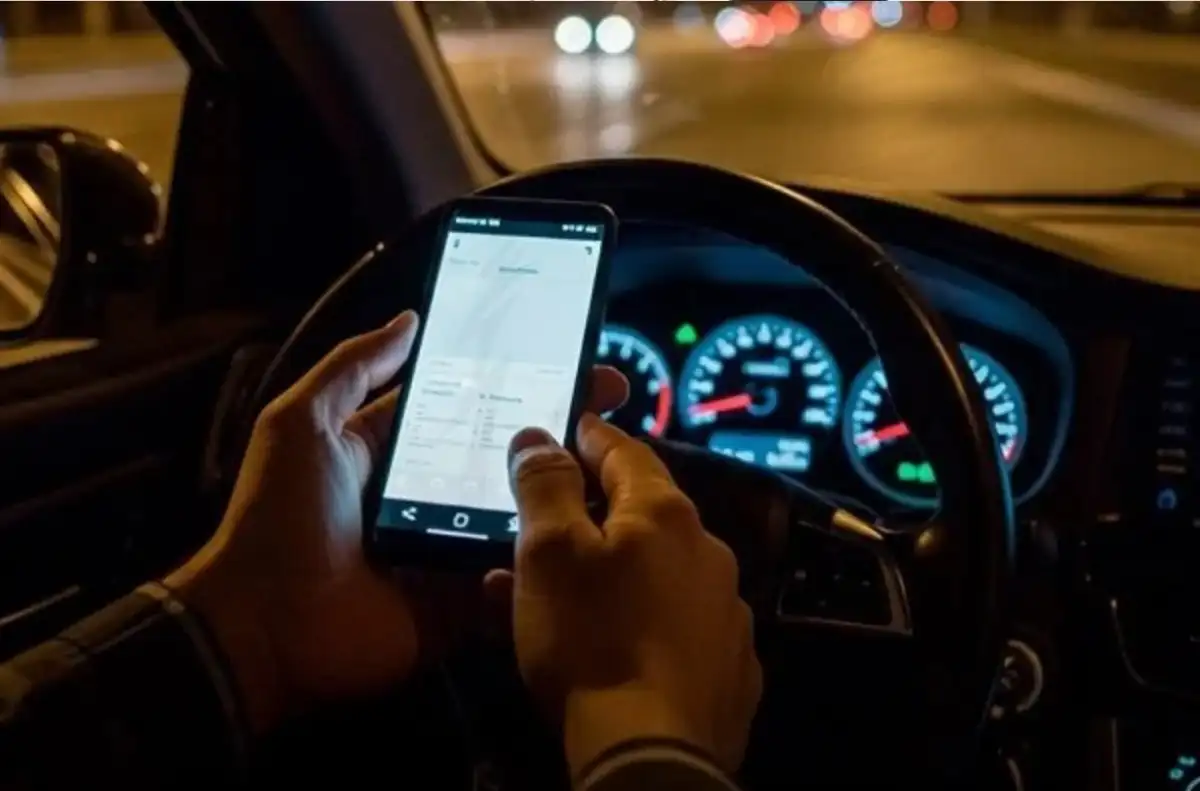
Stay fully focused: No phone in your hand, no eating, no multitasking—your brain and eyes should be on the road 100% of the time.
By driving defensively, you naturally avoid many of the most expensive violations: dangerous overtaking, failure to maintain lane, not leaving enough distance, or “driving in a way that endangers others.”
4. Let Vehicle Maintenance Work for Your Safety (and Your Record)
Traffic safety is not only about behavior; it is also about the condition of the machine you control. Poor maintenance increases your risk of losing control and also exposes you to fines related to vehicle condition and expired inspections.
Maintenance items that matter for both safety and compliance:
Brakes: Worn pads or faulty ABS systems increase stopping distances and can directly contribute to rear‑end collisions.
Lights and indicators: Driving with non‑functioning headlights, brake lights, or indicators is unsafe and subject to penalties in Saudi regulations.
Tires: Incorrect pressure or worn tread raises the risk of blowouts and skidding, especially at highway speeds or in bad weather.
Regular inspection: Keeping your inspection and registration up to date avoids fines and ensures expert eyes have checked the basics of your vehicle’s safety.
Thinking of maintenance as part of your “personal safety strategy” rather than a pure expense aligns perfectly with the Kingdom’s broader goal of improving vehicle safety standards as part of Vision 2030.
5. Be the Role Model Driver Your Community Needs
Laws and fines can only go so far; sustainable change comes when drivers themselves embody the behavior they’d like to see on the road. Saudi road‑safety initiatives repeatedly stress the role of awareness and personal responsibility, not just enforcement numbers.
Ways to lead by example:
Always wear your seat belt and insist that every passenger, front and rear, buckles up—every trip, no exceptions.
Respect pedestrian crossings and school zones, slowing down well in advance.
Stop completely at red lights and stop signs, instead of “pushing” the amber or creeping into intersections.
Avoid retaliating against aggressive drivers; let them go and maintain your calm, defensive posture.
Teach younger family members about road safety early so that good habits become natural as they grow.
Studies show that when road users collectively adopt safer behavior, the long‑term impact on fatalities and injuries can be dramatic, which mirrors the improvements already seen in Saudi Arabia in recent years.
Key Messages Behind Tougher Fines
While exact fine amounts differ by violation class, the direction is clear: the more dangerous the behavior, the harsher the penalty.
Severe violations like reckless drifting, driving under the influence, or racing on public roads can reach very high fine levels, license suspension, or even jail and deportation for expatriates.
Serious violations such as running red lights, driving without plates, or driving in the wrong direction fall into higher fine brackets to signal zero tolerance.
Moderate violations like driving in emergency lanes, ignoring stop signs, or blocking traffic flow also carry noticeable financial consequences to encourage compliance.
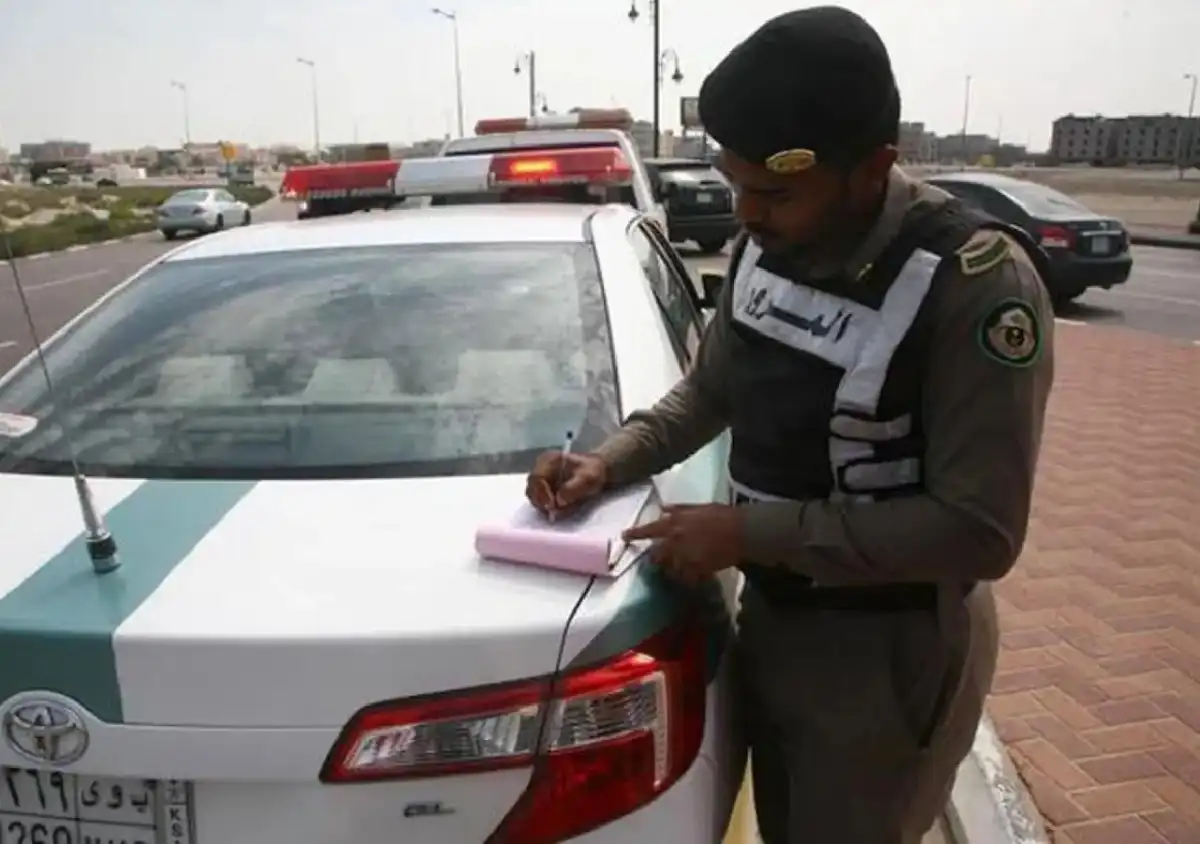
Minor but frequent behaviors—illegal parking, not wearing a seat belt, or using a phone while driving—are systematically enforced by cameras and patrols to change daily driving habits.
Seen together, these penalties are a roadmap of what the authorities consider most dangerous on the road and where they expect drivers to improve.
Bigger Picture: Vision 2030 and Road Safety
Road safety is explicitly integrated into Saudi Arabia’s Vision 2030 framework as a national priority, with clear targets to reduce traffic deaths and injuries. The strategy combines several pillars:
Stronger traffic‑law enforcement and automated monitoring.
Better road design and infrastructure upgrades.
Improved vehicle safety standards and inspection quality.
Public awareness campaigns and education initiatives.
Faster and more effective post‑crash emergency response.
Tougher fines are only one tool in this wider system, but they are a highly visible one—and they send a clear message: unsafe driving is no longer socially or legally acceptable.
Tighter traffic fines in Saudi Arabia are not just about collecting money; they are about saving lives and changing driving culture. When you look at the data and the national strategy behind these measures, it becomes clear that smart drivers use this moment to upgrade their habits, not just their wallets.
By understanding the logic behind the law, using technology intelligently, adopting defensive driving, maintaining your vehicle properly, and acting as a role model on the road, you can turn the new traffic regime into an advantage. You will pay fewer fines, enjoy calmer and safer journeys, and contribute to a nationwide effort that is already reducing deaths and injuries on Saudi roads. That is what truly responsible driving in 2025 and beyond looks like.