
- First: Early Signs Your Engine Is Misfiring
- Main Reasons Behind Engine Misfire & How to Fix Them
- Quick Comparison Table of Common Misfire Causes
- Pro Tips to Prevent Misfire Problems in the Future
Engine hesitation or misfiring is one of the most common issues drivers face. It often appears as shaking, jerking, weak acceleration, delayed throttle response, or engine stumbling—especially at idle or when starting from a stop. The issue may begin mildly and almost unnoticeable, then gradually develop into a serious problem affecting fuel consumption and overall performance. If ignored, misfires may even cause long-term engine damage.

In this comprehensive guide, we break down the main causes of engine misfiring, explain symptoms, how to detect each issue, and simple repair methods—presented in a clear way suitable for everyday drivers and automotive enthusiasts.
First: Early Signs Your Engine Is Misfiring
Common symptoms most drivers notice before the issue escalates:
Rough idle or shaking when the engine is cold.
Unstable RPM, especially in gear or at traffic stops.
Slow throttle response when accelerating.
Higher fuel consumption than usual.
Noticeable vibration from the engine bay.
Check-Engine light flashing or turning on occasionally.
Engine may stall unexpectedly when stopping.
Each symptom points to one or more sources of failure, which we’ll explain in detail below.
Main Reasons Behind Engine Misfire & How to Fix Them
1. Worn or Dirty Spark Plugs
Spark plugs ignite the air-fuel mixture inside the cylinders. When worn, weak, or carbon-fouled, the combustion cycle becomes unstable, causing noticeable misfires.
Symptoms:
Vibrations during idle.
Jerking or hesitation when accelerating.
Fix:
Replace spark plugs every 20,000–40,000 km.
Always use OEM or high-quality plugs.
2. Faulty Ignition Coils or Plug Wires
Weak ignition coils mean the spark delivered to cylinders is inconsistent, leading to misfire and power loss, especially under acceleration.
Symptoms:
Severe shaking under load.
Difficulty climbing hills.
Fix:
Check coils using OBD diagnostic tools.
Replace damaged wires or coils immediately.
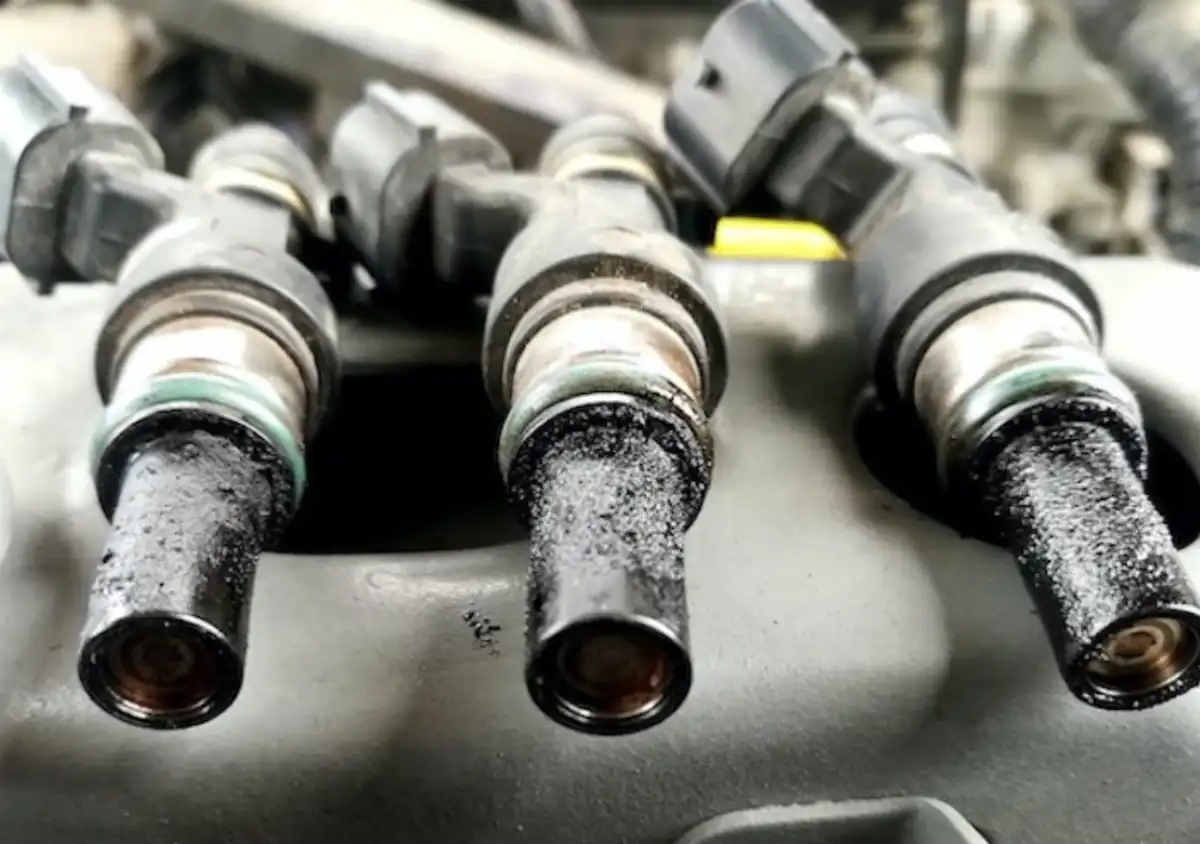
3. Dirty Fuel Injectors
Fuel injectors are precision components that spray fuel into the combustion chamber. Over time, deposits clog injector tips, resulting in uneven fuel delivery.
Symptoms:
Jerking and hesitation on throttle.
Noticeable rise in fuel consumption.
Mild popping from the exhaust.
Fix:
Professional injector cleaning by machine.
Use injector cleaner periodically as prevention.
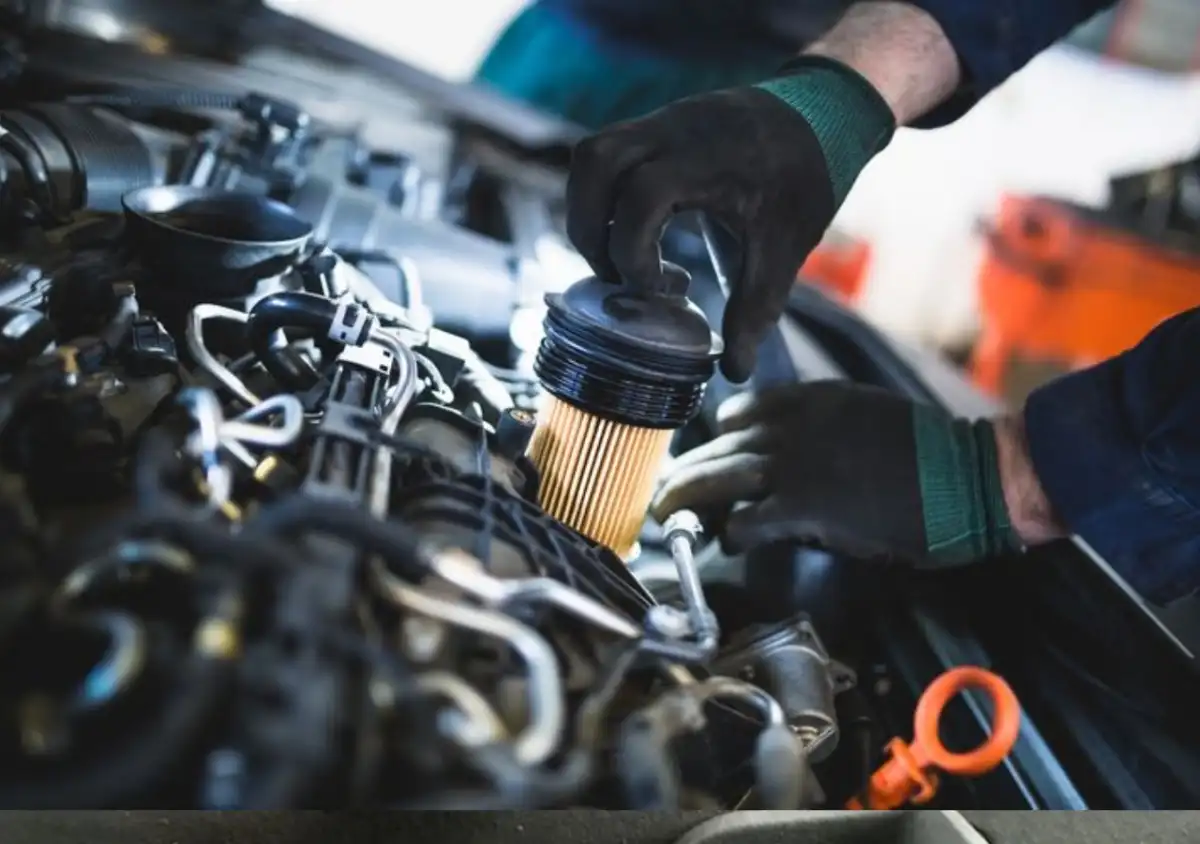
4. Clogged or Dirty Air Filter
Restricted air intake results in rich fuel mixture and incomplete combustion, which can cause misfire.
Fix:
Clean or replace air filter every 10k–15k km.
Avoid driving with a heavily clogged filter.
5. Faulty MAF or TPS Sensors
MAF (Mass Air Flow) and TPS (Throttle Position Sensor) manage air intake and throttle signals. When they malfunction, the ECU receives incorrect data.
Symptoms:
Hesitation during low-speed driving.
Check-Engine light may appear.
Fix:
Clean MAF sensor instead of replacing at first.
Replace sensor completely if malfunction persists.
6. Weak Fuel Pump or Clogged Fuel Filter
Insufficient fuel pressure means the engine starves for fuel, especially during acceleration.
Fix:
Measure pump pressure using a Fuel Pressure Gauge.
Replace filter or pump if pressure is unstable.
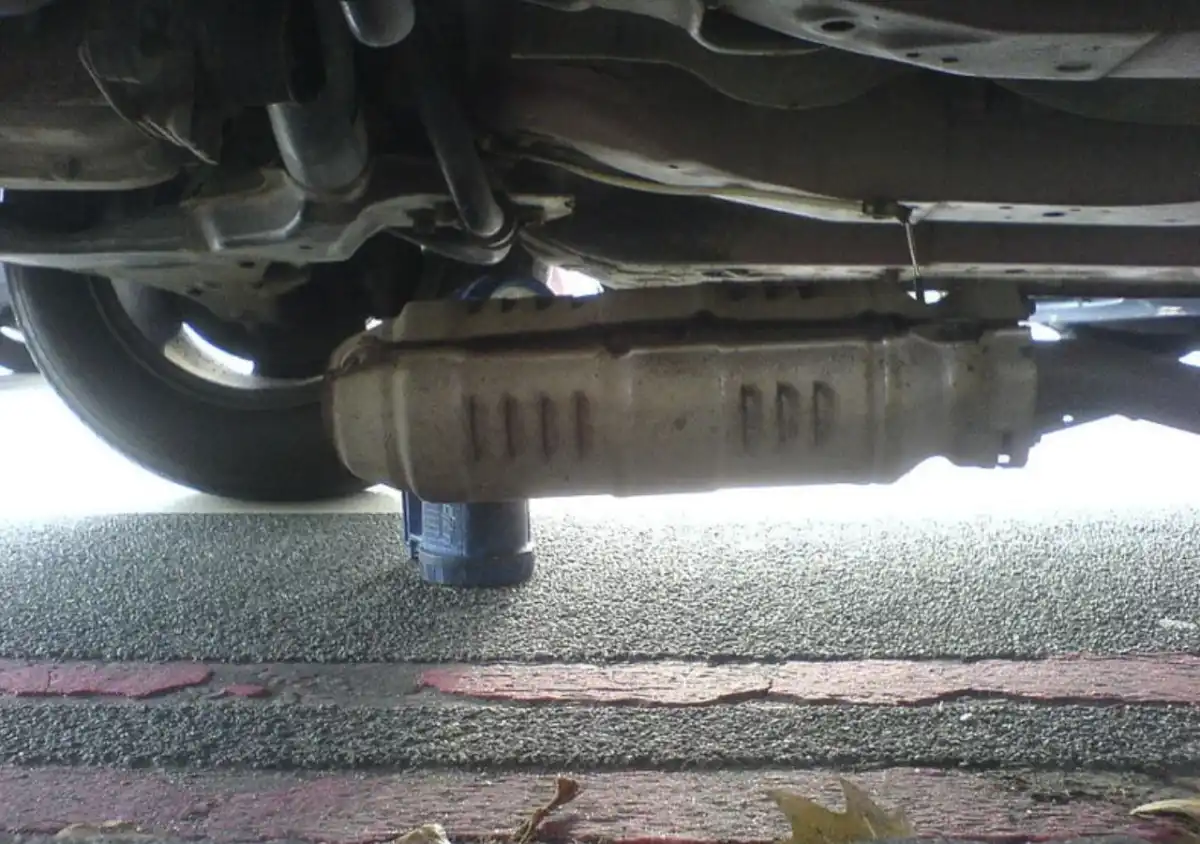
7. Clogged Catalytic Converter or Faulty Oxygen Sensor
If the catalytic converter is blocked, exhaust gases can’t flow properly, causing engine suffocation and power loss.
Symptoms:
Slow acceleration and overheating smell.
Excessive fuel consumption.
Fix:
Clean catalytic converter if mildly clogged.
Replace unit in case of severe blockage.
Quick Comparison Table of Common Misfire Causes
Pro Tips to Prevent Misfire Problems in the Future
Use fuel grade recommended by manufacturer.
Never ignore vibration, rpm fluctuation, or early misfires.
Clean fuel system periodically for longer engine life.
Replace air & fuel filters during scheduled maintenance.
Early repair is cheaper than fixing advanced damage.
A misfiring engine doesn’t always fail suddenly—most problems start small. The sooner you diagnose and repair the issue, the more money and trouble you save.