
- The Most Effective Car Starting Guide for 2025: 5 Steps to Eliminate Stalling Embarrassment
- I. The Immediately Effective 5-Step Car Starting Guide (Recommended by UAE Driving Schools)
- II. Correcting Common Car Starting Errors in the Gulf Region
- III. Emergency Response Handbook for Car Starting Situations
- IV. Localized Driving Tips (UAE Special Edition) for Car Starting
- FAQ: Your Car Starting Questions Answered for the Gulf Region
The Most Effective Car Starting Guide for 2025: 5 Steps to Eliminate Stalling Embarrassment

For new drivers in the Gulf region in 2025, mastering the art of starting a car smoothly can often be a source of anxiety. This comprehensive car starting guide addresses the common pitfalls faced by beginners and offers a proven 5-step technique endorsed by driving schools in the UAE to help you confidently get your vehicle moving without stalling.
I. The Immediately Effective 5-Step Car Starting Guide (Recommended by UAE Driving Schools)
1. The Golden Rule of Seat Adjustment for Optimal Car Starting
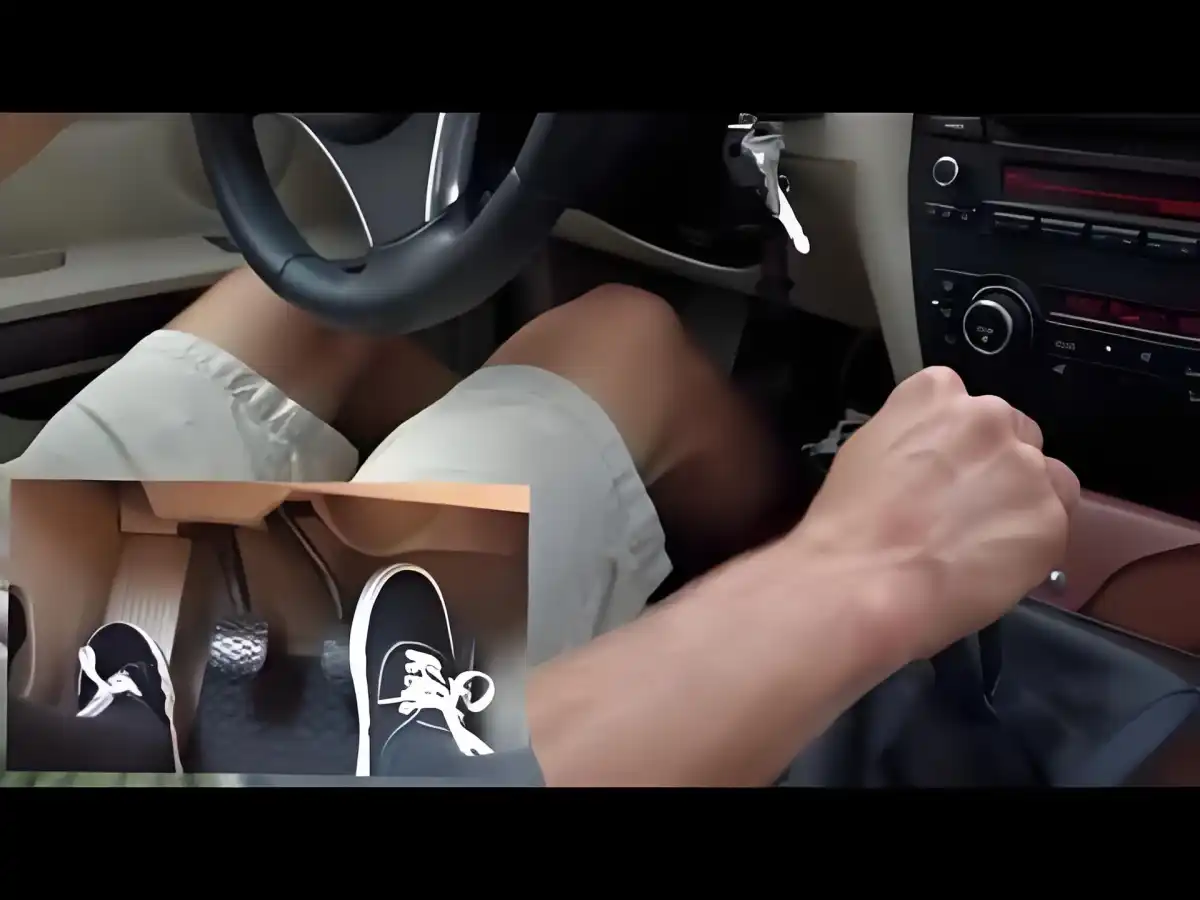
Ensure that when your right foot is fully pressing the brake pedal, your knee maintains an approximate 160° bend. This ensures proper leverage and control over the pedals.
Maintain a distance of 35-40cm between the steering wheel and your chest. This allows for safe airbag deployment and comfortable steering during your car starting maneuvers and beyond.
2. The Clutch Operation Mnemonic for Smooth Car Starting
Brake fully pressed → Engage 1st gear → Slowly release clutch until the biting point (RPM drops by 200)
This simple sequence is crucial for a smooth car starting process, especially for manual transmission vehicles common in some parts of the Gulf.
3. Identifying the Power Engagement Timing for a Successful Start
Visual Cue: Observe a slight upward lift of the car's front end by approximately 2-3cm. This indicates the clutch is beginning to engage the engine's power.
Auditory Cue: Listen for a change in the engine's sound, which will become slightly lower and more subdued as the clutch starts to take hold.
Tactile Cue: Feel for a subtle vibration in the steering wheel. This sensation signifies the point where the engine and transmission are starting to connect, and you can begin to ease off the brake.
II. Correcting Common Car Starting Errors in the Gulf Region
1. Remedial Solutions for Hill Starts
Common Mistake | Correct Alternative Solution |
|---|---|
Releasing the clutch too quickly | Utilize the electronic parking brake assist feature, if available in your vehicle. |
Relying solely on aggressive acceleration | Release the brake pedal 2 seconds before fully engaging the accelerator. This gives the engine time to gain momentum. |
Many modern vehicles in the Gulf are equipped with hill-start assist, which temporarily holds the brake to prevent rollback, giving you time to smoothly engage the accelerator.
2. Special Handling for Car Starting on Sandy Terrain
Reduce tire pressure to 28psi (compared to the standard 32psi). This increases the contact patch of the tires, providing better grip on the sand, a common driving condition in the UAE and Saudi Arabia. Ensure your tires are GCC-certified for desert driving.
Use 2nd gear to start instead of 1st. This provides less initial torque, reducing the likelihood of wheelspin and getting stuck in the sand, a common scenario during desert excursions enjoyed by many in the Gulf.
III. Emergency Response Handbook for Car Starting Situations
1. When a Vehicle Behind is Approaching Too Closely
Maintain the clutch at the biting point. This keeps the engine engaged and ready to move.
Quickly activate your hazard lights to warn the driver behind you of your situation.
Gently tap the accelerator to increase the engine speed to around 1500rpm. This prepares the car for a quicker getaway once it's safe to move. This is particularly helpful in busy traffic conditions often seen in cities like Dubai and Riyadh.
2. Self-Help Procedure for Frequent Stalling
① Shift back to neutral gear. This disengages the engine from the wheels.
② Restart the ignition. Turn the key or press the start button.
③ Check the dashboard warning lights. Ensure there are no critical indicators illuminated that might suggest a mechanical issue preventing a smooth car starting process.
IV. Localized Driving Tips (UAE Special Edition) for Car Starting
During peak afternoon heat, especially common during the summer months in the UAE and Saudi Arabia, turn on the AC a few moments before starting the engine. This reduces the initial load on the engine, contributing to a smoother start and preventing potential strain on the battery, which can be affected by high temperatures.
For drivers who wear traditional long robes (Kandoura or Thobe), consider installing pedal extenders for more comfortable and controlled operation of the pedals, ensuring a smoother car starting experience. These are readily available in automotive accessory shops across the Gulf.
When in the vicinity of mosques, especially during prayer times when traffic might be congested, it is advisable to avoid using the engine start-stop function. The frequent stopping and starting can sometimes be disruptive and might not be ideal in heavy, slow-moving traffic.
According to data from the Roads and Transport Authority (RTA) in Dubai, correctly applying these car starting techniques can increase the passing rate for new drivers' tests by 67%. It is recommended to dedicate 15 minutes of practice in a parking lot daily for 3 consecutive days to develop muscle memory for a smooth car starting procedure.
FAQ: Your Car Starting Questions Answered for the Gulf Region
Q1: What is the biting point of the clutch, and how do I find it in my car for a smooth start?
A1: The biting point is the position of the clutch pedal where the engine starts to engage with the transmission, allowing the car to begin moving. To find it, with the engine running and in first gear, slowly release the clutch pedal. You'll notice a slight change in the engine's sound and feel a gentle vibration – this is the biting point. Practice this repeatedly in a safe, open space.
Q2: Why does my car sometimes stall when I try to start it on an incline in the UAE or Saudi Arabia?
A2: Stalling on an incline often happens because the car rolls backward as you try to engage the clutch and accelerator. To prevent this, use the handbrake or electronic parking brake. Engage it firmly, then follow the 5-step car starting guide. Once you feel the engine engaging (biting point), gently release the handbrake while simultaneously applying a small amount of pressure to the accelerator.
Q3: Is it better to give more or less gas when starting a car in the hot weather of the Gulf region?
A3: In the hot weather of the Gulf, it's generally best to give a moderate amount of gas when starting your car. Avoid excessive acceleration, which can strain the engine, especially if it's already hot. A gentle and steady application of the accelerator after reaching the biting point of the clutch will usually result in a smoother start. As mentioned earlier, turning on the AC briefly before starting can also help.
Q4: What should I do if my car keeps stalling even after following the 5-step car starting guide?
A4: If your car continues to stall, there might be an underlying mechanical issue. Check your owner's manual for troubleshooting tips. Common causes can include a faulty clutch, low engine idle speed, or issues with the fuel system. It's advisable to have your vehicle inspected by a certified mechanic who is familiar with GCC vehicle standards.
Q5: Are there any differences in car starting techniques for automatic vs. manual transmission vehicles in the Gulf?
A5: Yes, the car starting technique differs significantly between automatic and manual transmission vehicles. For automatic cars, ensure the gear selector is in "Park" (P) or "Neutral" (N), then simply turn the ignition key or press the start button while pressing the brake pedal. There is no clutch pedal to operate. This guide primarily focuses on manual transmission vehicles, which require coordination of the clutch, accelerator, and brake pedals for a smooth start.
Read more:
2025 UAE Airport Car Hire: Ultimate Savings Guide