
- A Small Fluid With a Big Impact
- Why Are There Different Coolant Types?
- IAT – Inorganic Additive Technology
- OAT – Organic Acid Technology
- HOAT – Hybrid Organic Acid Technology
- Comparison Table
- Why Mixing Coolants Is Dangerous
- How to Identify the Correct Coolant
- Common Mistakes to Avoid
- The Right Choice Saves Money
A Small Fluid With a Big Impact
Coolant is often seen as a simple fluid that prevents engine overheating, but its role is far more complex. It regulates engine temperature, protects internal metals from corrosion, and extends the life of the entire cooling system. Using the wrong type may not cause immediate damage, but over time it can lead to clogging, corrosion, and water pump or radiator failure.
Modern vehicles no longer use a single universal coolant. Instead, terms like IAT, OAT, and HOAT define very different chemical technologies. This guide explains the differences clearly and answers the key question: which coolant does your car actually need?
Why Are There Different Coolant Types?
The answer lies in changing engine materials. Older engines relied heavily on iron and copper, while modern engines use:
Large amounts of aluminum
Lightweight alloys
More complex, pressurized cooling systems
Each material requires a specific type of chemical protection, which is why multiple coolant technologies exist.
IAT – Inorganic Additive Technology
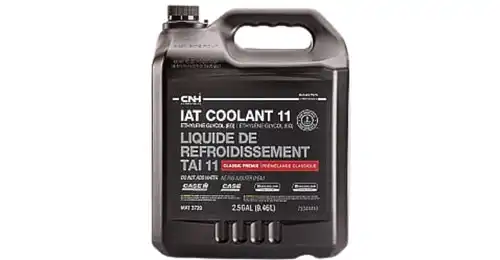
IAT is the traditional coolant formula used for decades.
Key traits:
Ethylene glycol base
Inorganic inhibitors such as silicates and phosphates
Short service life
Best for older vehicles
OAT – Organic Acid Technology
OAT is a modern formulation designed for long life and aluminum protection.
Key traits:
Organic acid corrosion inhibitors
Long service intervals (up to 5 years or more)
Ideal for most modern vehicles
HOAT – Hybrid Organic Acid Technology
HOAT blends OAT chemistry with small amounts of inorganic additives.
Key traits:
Balanced protection
Suitable for mixed-metal systems
Used by many European and Asian manufacturers
Comparison Table
Type | Technology | Typical Life | Best Use |
|---|---|---|---|
IAT | Inorganic additives | ~2 years | Older vehicles |
OAT | Organic acids | Up to 5 years | Modern vehicles |
HOAT | Hybrid | 3–5 years | Mixed systems |
Why Mixing Coolants Is Dangerous
Mixing incompatible coolants can cause:
Sludge formation
Blocked cooling passages
Accelerated corrosion
Reduced heat transfer
Water pump damage
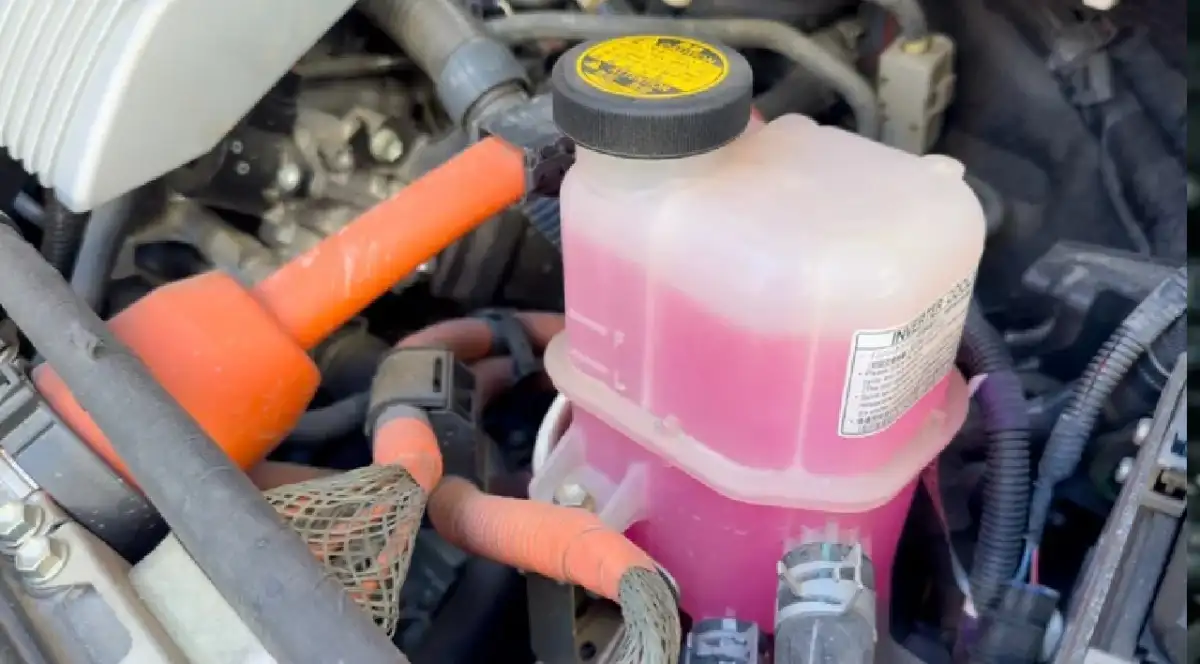
Color alone does not indicate compatibility.
How to Identify the Correct Coolant
Always check the owner’s manual
Follow manufacturer specifications on the bottle
Never rely on color alone
Flush the system if switching types
Common Mistakes to Avoid
Using water long-term
Mixing different coolant types
Ignoring service intervals
Choosing “universal” coolant without approval
The Right Choice Saves Money
Coolant choice is a form of preventive maintenance. Selecting the correct type and following manufacturer guidelines protects your engine and avoids costly repairs down the road.