
- Why Used Car Evaluations are Crucial
- How to Evaluate a Used Car Step by Step
- Key Considerations When Evaluating Used Cars
- Red Flags to Watch Out For
- FAQ
When considering the purchase of a used car, careful evaluation is key to securing both value and peace of mind. Whether you're searching for an affordable commute option or your dream vehicle, a well-informed approach to used car evaluations can save you from unexpected expenses and headaches. Use this comprehensive guide to make smarter decisions and secure the best deal on a quality vehicle.
Why Used Car Evaluations are Crucial
Purchasing a car is a big investment, even if it’s not brand new. Skipping proper evaluation can lead to overspending on a vehicle that might have hidden issues. From mechanical problems to poor resale value, a lack of due diligence can cost you not only money but also safety. Understanding why these evaluations matter is the first step towards becoming an informed buyer.
Used car evaluations help determine the vehicle’s real condition, performance capabilities, and market value. They also ensure that you avoid purchasing a car with accidental or flood damage, unaddressed recalls, or other risky issues. By following a structured evaluation process, you’ll be equipped to weed out unsuitable options and make an informed decision.
How to Evaluate a Used Car Step by Step
1. Research Market Value
Before getting into details about any specific car, spend some time researching its market value. Knowing the fair price range helps you avoid overpaying. Utilize online platforms that provide car-value tools by inputting key details like:
Make and model.
Year of manufacture.
Mileage.
General condition.
Compare listings within your area for cars with similar specifications. Keep in mind that local demand can affect asking prices, so have a flexible idea of the vehicle’s worth.
2. Start With a Visual Inspection
Begin by checking the car visually to spot immediate red flags. Walk around and examine its exterior and interior for obvious issues. Here’s what to focus on:
Exterior Inspection:
Look for dents, scratches, or rust spots on all panels.
Examine joints and door lines to confirm alignment. Misaligned panels may hint at previous accidents.
Inspect the windshield and windows for chips or cracks.
Check the tires for uneven wear, which may suggest alignment or suspension issues.
Interior Inspection:
Look at the condition of the seats. Are there tears, stains, or excessive wear?
Check the dashboard for cracks or damage.
Test all interior lighting.
Rotate knobs, switches, and the steering wheel to confirm they work smoothly.
Make sure systems like air conditioning, the audio system, and navigation function properly.
3. Inspect the Engine
Looking under the hood is an important step. You don’t need to be an expert, but you should note anything unusual. Focus on:
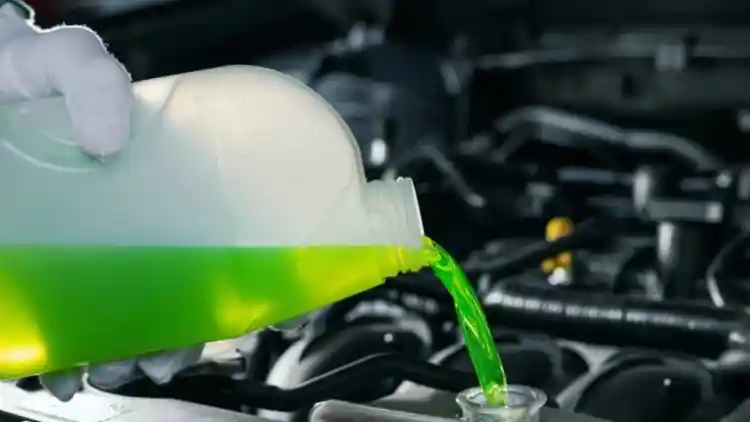
Fluid leaks near the engine. Fluids pooling on the ground are a warning sign.
Look for worn-out or cracked belts and hoses.
Check the battery for corrosion around terminals.
Smell for any burnt or unusual odors under the hood.
4. Take a Test Drive
A test drive is one of the most revealing steps in evaluating a car. It gives you the chance to assess the vehicle’s performance and identify possible issues. Here are some things to evaluate:
How the engine responds when you press the accelerator.
How smoothly the transmission shifts gears.
Brake responsiveness and unusual noises such as squealing.
Suspension performance over bumps or rough terrain.
Noise levels inside the car—listen for rattles, humming, or knocking sounds.
During the drive, try different road types and speeds. Test parking the car, doing tight turns, and reversing.
5. Check the Vehicle History Report
The car’s Vehicle Identification Number (VIN) can reveal its entire history. Using services like Carfax and AutoCheck, access the following data:
Records of accidents or major repairs.
Any reports of theft associated with the vehicle.
Whether it was used for commercial purposes.
Previous owners and mileage distributions.
This is a critical step that verifies transparency and minimizes risks.
6. Have a Trusted Mechanic Inspect the Car
Even after conducting a personal inspection and test drive, getting a professional opinion is highly advisable. A mechanic can:
Check for less obvious engine or brake issues.
Perform a diagnostic test to check for hidden electronic problems.
Evaluate the undercarriage and suspension more thoroughly.
Spending money on a pre-purchase inspection is a small price for avoiding expensive problems later.
Key Considerations When Evaluating Used Cars
Mileage vs. Age
Don’t let mileage alone influence your decision. A newer car with higher mileage may still be a great choice, especially if it was maintained well. Consider these factors:
Older cars might have outdated safety and efficiency technology.
Consistent maintenance records add credibility.
Maintenance Records
Ask for proof of regular maintenance like oil changes, tire rotations, and brake services. Cars lacking service records may require expensive repairs down the road.
Warranty Options
Some sellers, especially dealerships, offer certified pre-owned cars with extended warranties. These cars undergo strict inspections, making them a safer option.
Red Flags to Watch Out For
When buying a car, these warning signs should put you on high alert:
Suspiciously Low Prices: A very low price can indicate underlying issues.
Uncooperative Sellers: Hesitation to provide histories or documents can mean trouble.
Signs of Flood Damage: Check for strange smells, mold, or staining under carpets and seats.
FAQ
Q: How can I tell if a used car has been in an accident?
A: Start with a vehicle history report to verify accident data. Then, inspect the car for signs of blemishes—like uneven paint, misaligned panels, or replacement parts.
Q: Should I buy a used car without a test drive?
A: Never skip the test drive. It can reveal potential mechanical issues that even detailed inspections might miss.
Q: Are certified pre-owned cars worth it?
A: Certified pre-owned vehicles come with a guarantee of quality inspections and warranties. If peace of mind is important, they can be worth the higher price point.
Q: How do I negotiate the price of a used car effectively?
A: Highlight the car’s flaws, necessary repairs, and market pricing during negotiations. Stay calm and avoid rushing the process.
Q: What questions should I ask the seller?
A: Ask about the car’s accident history, maintenance log, and reason for selling. Verify if the car has a clean title.
Read More:
Used Toyota Corolla Buying Guide in United Arab Emirates