
- What Is Car Pricing?
- How to Get the Best Car Deal
- Tips for Calculating Car Pricing
- Common Pitfalls When Pricing Cars
- FAQ
Understanding car pricing is an essential step for anyone looking to purchase a new or used vehicle. Whether you’re eyeing a sleek sedan, a family-friendly SUV, or a reliable second-hand car, knowing how prices are determined can save you time and money. In this guide, we’ll uncover the key factors that influence car prices and share valuable tips to help you secure the best deal possible.
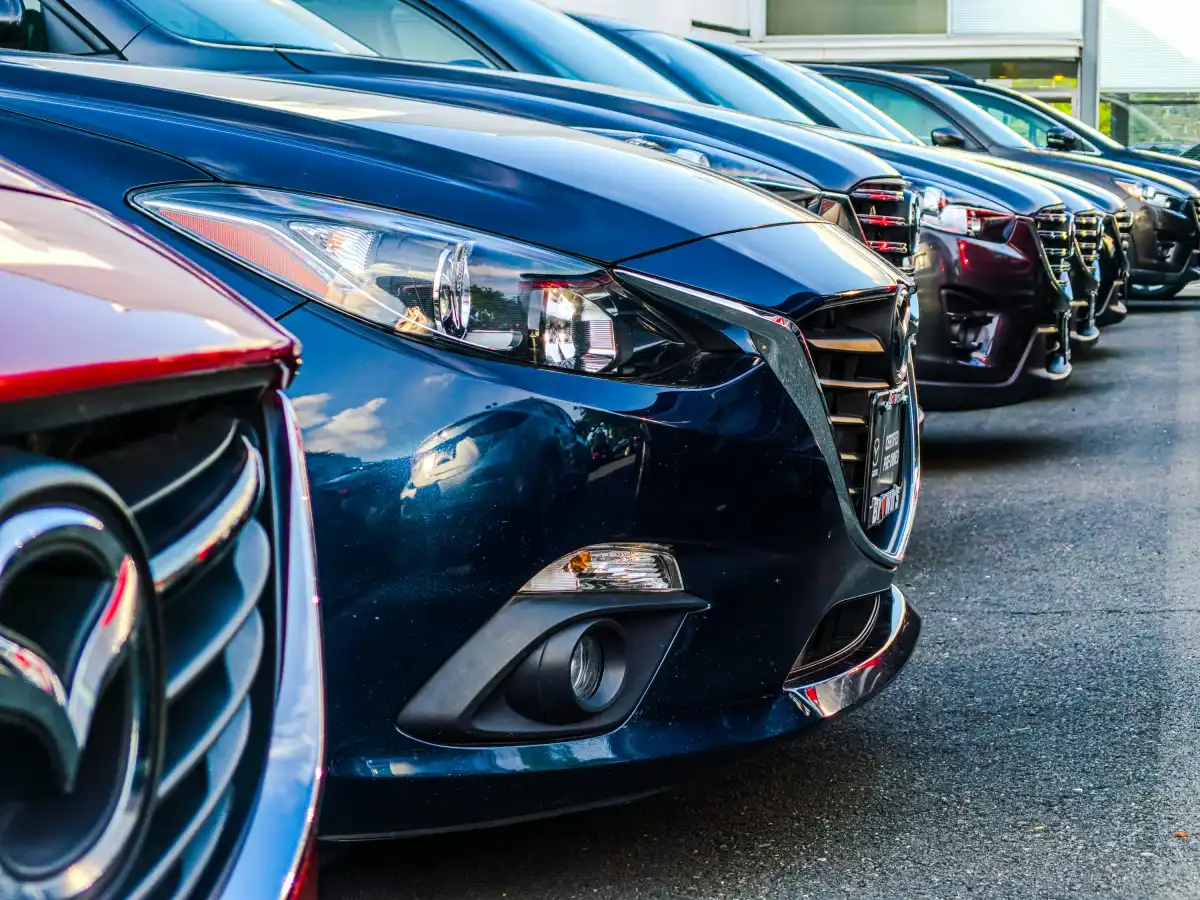
What Is Car Pricing?
Car pricing is the process of determining how much a vehicle is worth. This price depends on several key elements, such as the car’s brand, its condition, and supply-and-demand trends in the market. Both buyers and sellers must take these factors into account to ensure fair transactions.
Factors That Influence Car Pricing
Car pricing isn’t just about the price tag on the window. Many other elements come into play:
1. Manufacturer's Suggested Retail Price (MSRP)
This is the price set by the car’s manufacturer as a starting point for dealers.
Dealers may adjust this price by adding fees, taxes, or markups.
Understanding the MSRP helps you compare various models and brands.
2. Vehicle Condition
For new cars, prices are higher due to their pristine condition and lack of mileage.
For used cars, look at the mileage count, maintenance history, and any visible signs of wear and tear.
A car in excellent condition will naturally fetch a higher resale price.
3. Market Demand
Limited models or vehicles with highly sought-after features tend to cost more.
Seasonal trends, such as increased demand for SUVs in winter months, can also impact pricing.
External factors like fuel costs influence how much people are willing to pay.
4. Additional Costs
Car taxes can vary by location but always add a noticeable amount to the total.
Registration, insurance, and optional expenses like warranties or service plans must also be considered.
These can take your final purchase price well above the MSRP.
How to Get the Best Car Deal
Scoring a great deal on a car doesn’t only come down to luck. A little preparation and strategy go a long way when negotiating prices.
1. Research Thoroughly
Start by checking out online car listings and comparison websites.
Explore prices at nearby dealerships and inquire about special offers or promotions.
Understand average market pricing for the specific make and model you’re interested in.
2. Time Your Purchase
Plan to shop during major sales events like year-end or holiday sales, as dealerships are more likely to offer discounts.
If shopping for a used vehicle, winter months often provide better deals as fewer people are searching for cars.
3. Negotiate Smartly
Always go into negotiations armed with comparable prices for the same vehicle.
Ask for the “out-the-door” price, including taxes, fees, and additional services.
Don’t hesitate to walk away if the price feels inflated or non-negotiable.
4. Consider Financing Options
If you’re planning to finance your purchase, compare loan interest rates from banks and other financial institutions.
Ensure that you are not pressured into paying extra for unnecessary add-ons, such as specific insurance or accessories.
Tips for Calculating Car Pricing
Establishing a realistic budget is essential when considering a car purchase. Here’s how you can determine a fair price:
Determine the Base Price. Research the MSRP if it’s a new car, or the standard market rate for used vehicles.
Add Additional Costs. Don’t forget taxes, insurance premiums, or administrative fees.
Account for Depreciation. If buying pre-owned, look into the car’s depreciation rate to better understand its actual worth.
Use Online Tools. Plenty of websites offer car valuation calculators for reliable estimations.
Common Pitfalls When Pricing Cars
Avoid these mistakes to ensure you’re not overspending on your purchase or underestimating your vehicle’s value:
Ignoring Hidden Costs
Watch out for fees like delivery charges, extended warranties, or preparation costs.
These can make the out-the-door price much higher than anticipated.
Not Comparing Deals
Shop around with multiple dealerships or sellers to get a clear idea of the market range.
Use this knowledge effectively during negotiations.
Overlooking Vehicle History
For used cars, an unclear history can hide problems such as accidents or major repairs.
Always ask for a vehicle history report.
Underestimating Depreciation
Vehicles like luxury models can lose value significantly faster than economy cars.
Keep resale value in mind when purchasing higher-end or heavily accessorized options.
FAQ
Q: What is the difference between MSRP and the final sale price?
A: The MSRP is the manufacturer’s suggested base price, while the final sale price includes taxes, dealer charges, and potentially negotiable fees.
Q: How do I estimate a used car's value?
A: You can use online tools like car valuation websites. Input details like make, model, mileage, and age to get an accurate estimate. Don’t forget to consider the local market demand.
Q: Is it better to buy a car during a specific time of year?
A: Yes, shopping during the end of the year, around December, or during major shopping events can provide great discounts.
Q: What are "hidden costs" in car pricing?
A: Hidden costs include destination fees, taxes, and optional services such as extended warranties or paint protection. Always account for these while budgeting.
Q: Should I always negotiate car pricing?
A: Absolutely. Negotiating is often expected at dealerships. Being informed about market prices can increase your chances of getting a better deal.
Read More:
Hidden Costs of Owning a Chinese EV in Oman: Full Breakdown
Range Test: Chinese EVs in Real UAE Driving Conditions (AC On)
Chinese EV Battery Technology Explained: LFP vs NMC in Hot Climates