
- Introduction
- Tips for Buying Used Cars
- Steps for Selling Used Cars
- Pros and Cons of Buying and Selling Used cars
- Legal Considerations
- FAQ
Navigating the world of buying and selling used cars can seem difficult at first. However, with a bit of planning, the right resources, and an understanding of the key steps, you can make the process simple and rewarding. Whether you're hunting for a great deal on your next car or trying to sell your current one for the best price.

Introduction
Purchasing or selling used cars is an excellent way to save money or upgrade your existing vehicle. New cars can be expensive and lose value quickly, making used cars a more budget-friendly choice. However, without the proper information, the process of buying or selling a used vehicle can feel overwhelming. That’s why this guide aims to cover every essential detail, providing clear and actionable steps to help you succeed.
Tips for Buying Used Cars
When buying a used car, it's important to take time to research, inspect, and evaluate before making a decision. Here are some tips to help:
Research the Vehicle's Value
Before you even look at cars for sale, take the time to research the vehicle's market value. This step helps you avoid overpaying and ensures you aren't being taken advantage of. Popular online platforms such as Kelley Blue Book or Edmunds allow you to check the estimated price of cars based on their model, mileage, year, and condition. Remember, prices can vary depending on your region, so focus on listings close to your location. A good understanding of typical prices can also give you confidence when negotiating with sellers.
Inspect the Car Thoroughly
Before committing to a purchase, conduct a proper inspection of the vehicle. This will help you identify any major issues before signing any agreements.
Check the exterior condition: Look for damages like dents, scratches, or rust. Pay special attention to the tires, windows, and paint. Ensure the tires are in good shape and have appropriate tread life left.
Evaluate the interior: Open the doors and inspect the seats, dashboard, and features. Look for any wear and tear, including cracked materials or malfunctioning buttons.
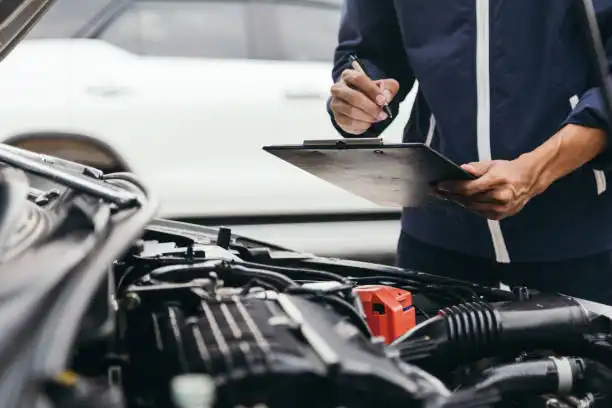
Examine under the hood: Check the engine, battery, and fluids. Keep an eye out for any signs of oil leaks or unusual smells.
Go for a test drive: The test drive is crucial for assessing how well the car performs. Pay attention to the brakes, steering, and suspension, as well as any unusual noises while driving.
Request a Vehicle History Report
A vehicle's history can tell you a lot about its condition. Request a history report through reputable services such as Carfax or AutoCheck. These reports provide details like accident records, past ownership, odometer readings, and any title issues. This step ensures you’re not buying a car with hidden damage or a questionable past.
Negotiate the Price
If you've found a car you're happy with, don’t hesitate to negotiate the price. Most private sellers and even dealers expect some negotiation. Make sure to come prepared with your research, explain why you think the price should be lower, and remain polite. Even if the seller doesn’t lower the price significantly, they may offer extras, such as an extended warranty or free maintenance services.
Steps for Selling Used Cars
Selling your used car can also be a smooth process if you prepare properly. Follow these steps to maximize your returns and attract serious buyers.
Compile Necessary Documentation
Gathering the appropriate documents beforehand makes the selling process smooth and builds trust with potential buyers. Make sure you have:
The official registration papers, which prove the car is legally yours.
A proof of ownership document, such as the title or sales receipt.
The service and maintenance history, which reassures buyers that the car has been well cared for.
A roadworthiness certificate, depending on local regulations, showing the car is safe to drive.
Clean and Prepare Your Car
Appearances matter when selling a used car. A clean, polished vehicle gives a good first impression and could even help you secure a higher resale value. Wash the car both inside and out. Vacuum the interior, wipe down surfaces, and ensure there are no unpleasant odors. It may also help to fix minor scratches or replace worn tires to enhance the car’s appeal.
Set the Right Price
Setting the correct price can make the difference between a quick sale and your car sitting unsold for months. Use online marketplaces to get an idea of what similar cars are sold for in your area. Be realistic about the condition and age of your car when assigning a price. Since most buyers like to negotiate, you might also consider setting the price slightly higher than what you expect to sell for.
Advertise Effectively
Marketing your car properly is key to attracting the right buyers. Here's how you can create effective listings:
List on multiple platforms: Use websites like Craigslist, Facebook Marketplace, or any local car-buying apps in your region. You’ll reach more buyers this way.
Upload quality photos: Post clear, well-lit images showing various angles of the car, including the exterior, interior, and details like the odometer reading and tires.
Use detailed descriptions: Write a strong description that includes the car’s make, model, year, mileage, and standout features. Mention why you're selling the car to build trust with potential buyers.
Pros and Cons of Buying and Selling Used cars
Every choice comes with positives and potential drawbacks. Here’s a breakdown specific to buying and selling used cars.
Pros
Cost savings: Used cars are often available for 20% to 50% less than their new counterparts, depending on the model and condition.
Slower depreciation: Unlike new cars, a used car’s value doesn’t drop as dramatically over short periods.
Wide variety: The preowned car market gives you access to a vast selection of models, brands, and features at affordable prices.
Cons
Potential hidden problems: Without proper inspections, you risk buying a car with undocumented issues.
Limited warranty: Compared to a new car, used vehicles often have no warranty or very limited coverage.
Higher interest rates: Financing a used car can sometimes involve higher rates, as lenders perceive older vehicles as a greater risk.
Legal Considerations
Verify the Title
If you’re buying a used car, always verify that the seller has a clean title to the car. This ensures there are no outstanding loans or disputes tied to the vehicle. When selling, make sure the title gets transferred to the new owner as required by local law. Always complete this process at the designated government office or through a legal representative to avoid later issues.
Understand Regional Laws
Whether you're buying or selling, be aware of traffic laws and car ownership regulations in your area. These can cover things like:
Whether the vehicle must pass an inspection before it can be sold.
Local taxes or registration fees that apply to the transaction.
Requirements for emissions testing, particularly if the vehicle is older.
FAQ
Q: What is the best time to buy or sell a used car?
A: Buyers tend to find deals at the end of the year or quarter. Sellers, on the other hand, have better luck during spring and summer when demand spikes.
Q: How do I ensure I get a good deal on a used car?
A: Research prices, always inspect the car thoroughly, request a vehicle history report, and be confident when negotiating. Never make a rushed decision.
Q: Is it risky to buy a used car from a private seller?
A: It can be safe if you do your homework. Inspect the car, verify the seller’s identity, and acquire a detailed vehicle history report.
Q: How can I sell my car quickly?
A: List your car with accurate information, include multiple high-quality photos, and set a competitive price that reflects the car’s age and condition.
Q: Should I get a professional inspection before buying a used car?
A: Yes, it’s a good idea. Bringing in a trustworthy mechanic can reveal potential issues that an inexperienced buyer might overlook.
Read More:
BYD Blade Battery: Why It Is Called the Safest EV Battery
Chinese EV Battery Technology Explained: LFP vs NMC in Hot Climates
Range Test: Chinese EVs in Real UAE Driving Conditions (AC On)