
- What Are LFP and NMC Batteries?
- The Impact of Hot Climates on EV Batteries
- Comparing LFP and NMC: Which Works Best in Hot Climates?
- Pros and Cons at a Glance
- Making the Right Battery Choice
- FAQ
Electric vehicles are transforming the way we move and commute, and at the heart of this revolution are their powerful batteries. But not all EV batteries are created equal, especially when it comes to performing under the intense heat experienced in many regions worldwide. This guide dives into Chinese EV battery technology, focusing on the differences between Lithium Iron Phosphate (LFP) and Nickel Manganese Cobalt (NMC) batteries, and their performance in hot climates.
What Are LFP and NMC Batteries?
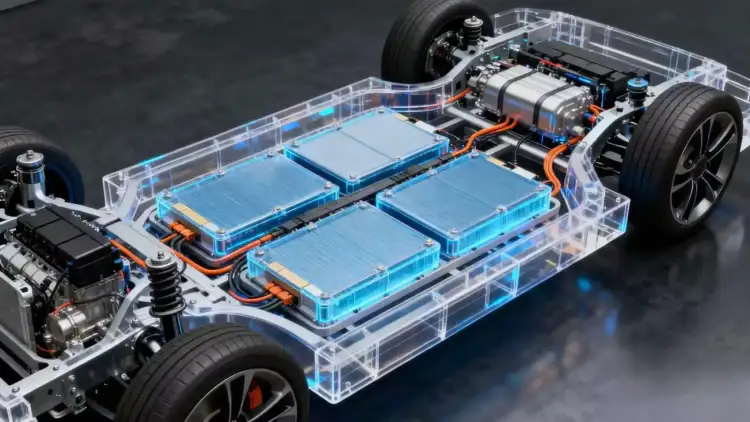
Modern electric vehicles primarily rely on two advanced battery technologies: LFP and NMC. While both perform well for powering EVs, they are designed differently, which defines their strengths, weaknesses, and suitability to certain conditions like heat.
Understanding LFP Batteries
LFP batteries are crafted using iron phosphate, which is both affordable and stable. Here’s why they stand out:
Cost-Effective: They rely on inexpensive materials, making them an economical choice.
Reliable in Tough Conditions: These batteries are known for their durability, especially in extreme temperatures where other batteries may falter.
Eco-Friendly: Without using metals like cobalt, they are more environmentally sustainable.
Understanding NMC Batteries
NMC batteries are made from a combination of nickel, manganese, and cobalt. This composition gives them specific advantages:
Higher Energy Density: NMC batteries pack more power into a smaller space, allowing for longer driving ranges.
Lightweight: Their compact design makes them ideal for EVs where weight is a critical factor.
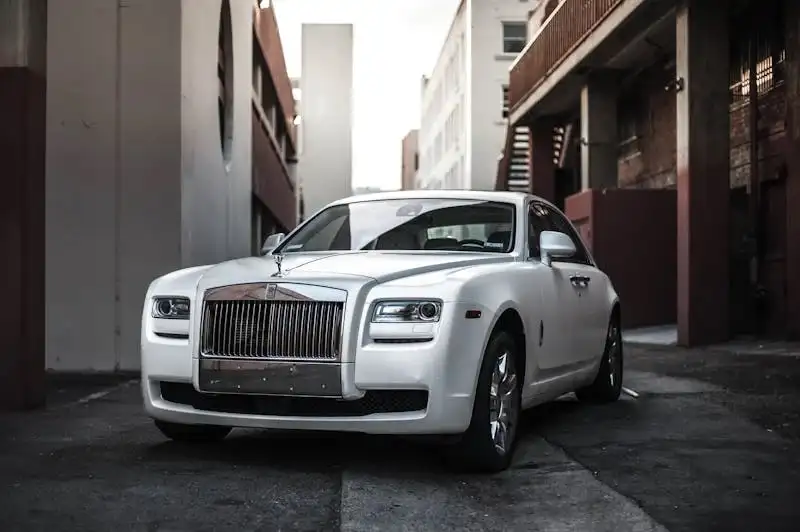
Premium Appeal: Due to their high performance, they are often chosen for luxury EVs.

The Impact of Hot Climates on EV Batteries
Hot climates pose unique challenges to EV batteries. High temperatures can reduce efficiency, shorten the lifespan, and even raise safety concerns. Let’s see how LFP and NMC batteries perform when the thermometer climbs.
LFP Batteries in Hot Weather
LFP batteries tend to excel in hot climates. Here’s how they handle heat:
Highly Durable: These batteries are remarkably resistant to heat, maintaining consistent performance even during prolonged exposure.
Safety-First Design: Their chemical stability reduces the risk of overheating, which lowers the chance of fires or other hazards.
Performance Trade-Off: While they perform well under heat, their range is typically shorter compared to NMC batteries.
NMC Batteries in Hot Weather
NMC batteries, while efficient, face certain challenges in hot temperatures:
Energy Storage Champions: They can hold more energy, making them the go-to option for long trips.
Heat Strain: The heat sensitivity of the metals involved means they degrade quicker in hot environments.
Advanced Cooling Needs: They require sophisticated thermal management systems to counteract potential overheating.
Comparing LFP and NMC: Which Works Best in Hot Climates?
Given the characteristics of each battery, deciding which is better depends on your priorities. Here’s a direct comparison of the two:
Cost: LFP batteries are made with affordable, abundant materials, making them less expensive (often priced at AED 30,000 - 40,000/SAR 30,000 - 40,000 per unit), while NMC batteries cost significantly more due to their reliance on metals like nickel and cobalt.
Energy Output: If driving range is your top priority, NMC batteries lead the market. In contrast, LFP batteries are ideal for shorter urban commutes.
Temperature Resilience: Hot areas like the Gulf region align better with LFP batteries, thanks to their better heat resistance.
Safety: For those concerned about battery fires or thermal runaways, LFP batteries are the safer alternative.
Pros and Cons at a Glance
Here’s a quick overview of the advantages and disadvantages of both battery types to help you decide.
Advantages of LFP Batteries:
Work efficiently in high-temperature areas
Affordable, eco-friendly, and long-lasting
Require less maintenance or cooling systems
Disadvantages of LFP Batteries:
Provide a shorter driving range, limiting their use for long-distance travel
Heavier when compared to NMC counterparts
Advantages of NMC Batteries:
High energy density supports extended range
Used in luxury EVs for premium performance
Lightweight design and compact structure
Disadvantages of NMC Batteries:
Sensitive to overheating, requiring complex cooling setups
Higher cost due to expensive components
Quicker degradation rate in areas with harsh heat levels
Making the Right Battery Choice
If you live in a hot region like the UAE or Saudi Arabia, LFP batteries might be your best option due to their stability and heat resistance. However, if your concern leans more towards long driving ranges and powerful performance, NMC batteries still have their place. Consider the type of EV you are interested in, and don’t forget to evaluate local climate conditions before making a decision.
FAQ
Which battery type is better for long lifespan in hot climates?
LFP batteries are better suited for prolonged use in hot conditions. Their robust chemical structure resists thermal aging better than NMC batteries.
Are there ways to improve NMC batteries for use in hot climates?
Yes, NMC batteries can include advanced thermal management systems to help minimize heat-related issues, but this adds to overall costs.
Is the investment in an NMC battery worth it?
If you prioritize range and user experience, NMC batteries are worth considering despite the higher initial cost.
Should I consider LFP for heavy-duty or fleet EVs?
Absolutely. LFP batteries are cost-effective and robust, making them a great choice for commercial EVs used in challenging conditions.
Chinese EV battery technology continues evolving, offering solutions to meet various customer needs. Whether you prioritize affordability, heat resistance, or extended range, understanding the options ensures you pick the right fit for your driving lifestyle.
Read More:
Top 10 Chinese EV Brands You Need to Know in 2026
BYD vs Tesla: Which Electric Car Wins in the GCC Market?
Is Made-in-China Still a Concern for EV Buyers in 2026?
2 / 10