
- Introduction: Why Understanding Hidden Costs Matters
- Initial Hidden Costs of Chinese EVs
- Maintenance Costs and Potential Challenges
- Hidden Costs of Charging Chinese EVs in Oman
- Value Depreciation and Resale Challenges
- Hidden Insurance Costs of Electric Vehicles
- Conclusion: Be Prepared Before You Commit
- FAQ
Electric vehicles (EVs) are becoming a popular choice for drivers in Oman, especially Chinese EVs that promise affordability and cutting-edge technology. However, the true cost of ownership isn’t always apparent at first glance. Learning about these hidden costs can prepare you for the realities of maintaining, charging, insuring, and eventually reselling your EV in this unique market. This guide gives you everything you need to know from import fees to resale challenges so that you can make an informed purchase decision.
Introduction: Why Understanding Hidden Costs Matters
Chinese electric vehicles have been making waves in Oman due to their affordability and eco-friendly reputation. These cars attract buyers looking for a green solution with innovative features at a competitive price. Nevertheless, owning one isn’t entirely cost-free—there are often unexpected expenses that can change the equation significantly.
In Oman, these hidden costs range from government fees and taxes to maintenance needs and charging concerns. Potential buyers should evaluate the true cost by factoring in these overlooked charges. Below, we explore various aspects that expose the financial reality of owning a Chinese EV in Oman.
Initial Hidden Costs of Chinese EVs
Import Taxes and Fees
The initial attraction to Chinese EVs often lies in their sticker price. What many buyers don't realize is that this price doesn't include substantial import taxes or other government charges such as VAT. Here’s what you might face:
Customs duty imposed on electric vehicles originating outside Oman.
VAT-based charges that increase the overall cost of purchase.
Market-specific import fees, which may differ depending on the value and category of the EV being brought into the country.
Researching these taxes and fees beforehand can help you better understand the true costs involved.
Registration and Licensing Costs
Purchasing a Chinese EV also includes some extra steps when it comes to registration and licensing. This includes:
Unique certifications for EVs that might not be required for petrol-powered cars.
Additional governmental documentation to ensure compliance with regulations around electric vehicles.
Pricing differences for EV plate registration compared to standard vehicles.
These costs vary depending on the make, model, and regulatory requirements for electric vehicles in Oman.
Maintenance Costs and Potential Challenges
Spare Parts Availability
Finding spare parts for some Chinese EV brands can be a challenge. While many offer advanced designs and modern technology, these features are only helpful if replacement parts are available when needed. In Oman, you may encounter the following issues:
A lack of ready stock for specific models.
Longer wait times due to overseas shipping requirements.
Elevated costs for rare or exclusive parts.
Buyers should investigate whether their chosen EV brand has a dedicated service network in Oman to minimize inconvenience.
Specialized Maintenance Services
Chinese EVs often require brand-specific mechanics trained to handle their delicate technical components. Unfortunately, these services:
May not be widely available in Oman.
Tend to be more expensive than generic auto repairs.
Require specialized equipment that adds to labor costs.
Without accessible service centers, routine maintenance can become a costly and time-consuming affair.
Hidden Costs of Charging Chinese EVs in Oman
Home Charging Station Installation
One significant upfront cost for EV owners is setting up a home charging system. These installations can be costly, especially if your home isn’t already equipped for it. Costs may include:
Purchasing the charging station hardware.
Hiring an electrician to upgrade your home’s electrical system if required.
Ongoing maintenance of the charging equipment.
Public Charging Fees
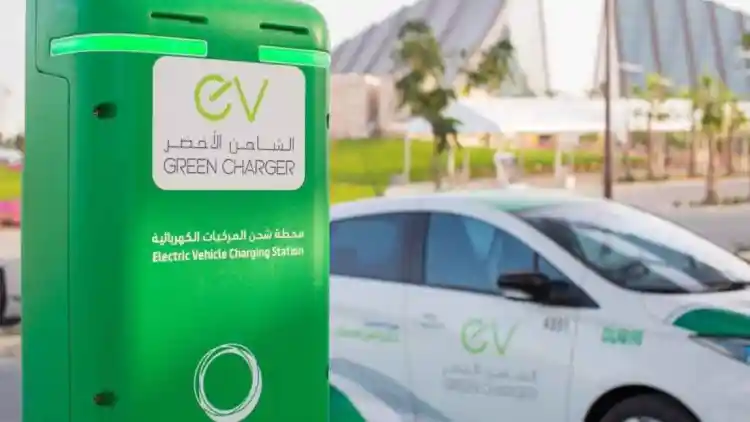
Oman’s public charging network is growing, but not all stations offer free charging services. In many cases, you might encounter:
Per-kilowatt-hour pricing models, dependent on the charging station's provider.
Extra fees during peak usage times or in high-demand locations.
Premium rates for faster chargers compared to slower ones.
These expenses, while not overwhelming individually, can add up over time, increasing overall running costs.
Value Depreciation and Resale Challenges
Lower Resale Value
Chinese electric vehicles may depreciate faster than other EV brands. Key factors include:
Perceived quality concerns, despite technological advancements.
Limited brand recognition among local buyers.
Questionable durability compared to industry giants.
This rapid depreciation can make re-selling a Chinese EV a less profitable proposition.
Limited Market Demand for Used Chinese EVs
Oman’s used EV market is still evolving. Many potential buyers prefer well-established global brands, which reduces demand for lesser-known Chinese models. As a result:
You might face difficulties in finding willing buyers.
Selling your EV quickly may require settling for a lower price.
Hidden Insurance Costs of Electric Vehicles
Insurance premiums for Chinese EVs are often higher than for traditional cars. Reasons for this include:
High-tech components, such as batteries, being costlier to replace.
Limited local expertise when repairing damage.
Higher overall valuation of electric vehicles compared to older petrol-driven counterparts.
Understanding these specialized requirements can prevent unpleasant surprises during your EV ownership journey.
Conclusion: Be Prepared Before You Commit
Owning a Chinese electric vehicle in Oman provides exciting benefits such as technology, affordability, and eco-friendliness. However, hidden costs like import duties, specialized repairs, charging expenses, and depreciation can all impact its real value. Every buyer should weigh these factors carefully to ensure a satisfying ownership experience without unexpected financial strain.
FAQ
Are Chinese EVs more expensive to maintain in Oman than traditional cars?
Yes, they can be. Many mechanics lack experience with EVs, leading owners to depend on specialized service centers, which often charge higher rates.
How can I reduce the hidden costs of charging a Chinese EV in Oman?
A home charging station can lower costs over time. Also, keep an eye out for free public charging stations during your travel routes.
Do Chinese EVs lose value faster than other brands in Oman?
Generally, yes. Limited brand popularity and concerns over durability result in quicker depreciation.
Are insurance premiums for Chinese EVs higher than for petrol cars?
Typically, yes. EV-specific insurance can cost more because of the unique parts and technologies involved.
Are there any government incentives for owning EVs in Oman?
While Oman has introduced some minor incentives, for example, cheaper charging rates, they may not cover all hidden costs related to EV ownership.
Read More:
Top 10 Chinese EV Brands You Need to Know in 2026
Geely Zeekr vs XPeng: The Battle of Premium Chinese EVs
Is Made-in-China Still a Concern for EV Buyers in 2026?
2 / 12