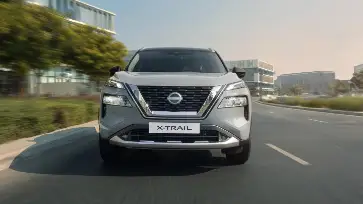

- Examining Historical Perceptions and Concerns About Made-in-China EVs
- China’s Dominance and Global Market Impact
- How Made-in-China EVs Are Winning Consumer Trust
- Remaining Concerns Among Consumers
- Advice for Prospective Buyers
- Frequently Asked Questions (FAQ)
In the rapidly evolving world of electric vehicles (EVs), consumers often find themselves weighing different factors before making a purchase. One question that still arises is whether EVs manufactured in China remain a cause for concern in 2026. With a booming electric vehicle market and significant advancements in manufacturing by Chinese companies, it’s time to delve deeper into shifting perceptions and industry improvements to see if buyer skepticism is still valid.

Examining Historical Perceptions and Concerns About Made-in-China EVs
Chinese-made products have historically been perceived as cost-effective but potentially lacking in quality and durability. When electric vehicles first emerged as a viable mode of transport, some buyers hesitated to choose models from China due to concerns about battery reliability, structural integrity, and adherence to global safety standards. These initial reservations were understandable, given the nascent state of China’s EV industry at the time.
Over the years, however, China has made substantial investments in innovation and craftsmanship. From setting up state-of-the-art manufacturing facilities to strengthening regulatory oversight, Chinese manufacturers have focused on improving their reputation with buyers worldwide.
Factors Behind Initial Skepticism
Battery Performance: Early models sometimes struggled with efficiency and overall battery lifespan.
Build Quality: Concerns over inconsistent production standards led buyers to prefer EVs from more established global brands.
Trust in Regulatory Standards: Some questioned whether Chinese EVs adhered to safety norms required by international markets.

China’s Dominance and Global Market Impact
Today, it’s impossible to discuss the electric vehicle market without acknowledging China’s pivotal role. As the largest EV producer globally, Chinese brands like BYDEgypt BYDUAE BYDKSA BYDBahrain BYDKuwait BYDOman BYDQatar BYD, NIOBahrain NioEgypt NioKSA NioKuwait NioOman NioQatar NioUAE Nio, and XPengKSA XpengUAE XpengBahrain XpengEgypt XpengKuwait XpengOman XpengQatar Xpeng have turned heads with exceptional innovations and competitive pricing. Major international automakers increasingly rely on Chinese-made components, including batteries supplied by industry leader CATL.
Key Contributors to Market Growth
Advanced Technologies: Breaking new ground in battery advancements, autonomous driving, and energy efficiency.
Massive Domestic Market: China’s local demand for EVs continues to drive economies of scale.
Strategic Partnerships: Collaborations with Western automotive brands for co-development and global distribution.
This rise in visibility and recognition has made Chinese EVs a regular part of car buyer considerations, challenging earlier perceptions and redefining what “Made-in-China” represents.
How Made-in-China EVs Are Winning Consumer Trust
Chinese electric vehicle manufacturers have made tremendous strides in addressing quality concerns. These refinements have helped reshape global opinions and attract buyers who previously avoided China-made products.
Innovation in Manufacturing: Companies have adopted high-precision practices to build consistent and durable models. This includes sourcing premium materials to reduce wear and tear over time.
Global Certifications: Chinese EV makers now meet stringent safety and environmental standards in Europe, North America, and beyond.
Price Advantages: Lower production costs give Chinese brands a competitive edge, offering affordability without compromising on innovation.
Eco-Friendly Manufacturing: Commitments to carbon neutrality and renewable energy usage enhance their appeal in eco-conscious markets.
Remaining Concerns Among Consumers
While progress is undeniable, lingering concerns still influence consumer decisions in foreign markets. Many of these issues are linked to perceptions rather than concrete shortcomings.
Common Challenges
Counterfeit Products: The presence of unregulated brands and copycats continues to raise red flags for buyers.
After-Sales Services: Limited dealer networks or remote service centers may pose challenges for international customers.
Resale Value Uncertainty: Buyers remain cautious about the depreciation rates of Chinese EVs in markets that traditionally favor long-established brands.
Advice for Prospective Buyers
Whether you’re considering a Made-in-China EV or another option, taking a proactive approach to research will help ensure a satisfactory purchase. Follow these steps:
Identify Trusted Brands: Opt for manufacturers with proven reputations, like BYD, NIO, and Geely.
Review Warranty Details: Check for comprehensive warranty options and reliable after-sales support in your region.
Confirm Compliance Standards: Ensure the model meets local regulations for emissions and safety.
Understand Resale Trends: Study how the secondary market reacts to particular brands or models.
Frequently Asked Questions (FAQ)
Q: Are Chinese EVs less reliable now?
A: No, leading manufacturers have significantly reduced reliability concerns through enhanced performance and quality standards.
Q: Which Chinese EV brands are the best?
A: Brands like BYD, NIO, and XPeng enjoy strong reputations for innovation and safety benchmarks.
Q: Is resale value still a problem for Chinese EVs?
A: Resale value has improved for reputable brands, though it may vary by market.
Q: How do Chinese EVs compare with Western rivals?
A: While Western brands excel in branding and after-sales services, Chinese EVs offer competitive technology and pricing options.
Q: Should I be worried about counterfeit models?
A: Choosing reputable dealerships or trusted manufacturers will minimize the risk of purchasing counterfeit products.
By understanding improvements in Chinese EV production and addressing concerns wisely, global buyers can explore quality vehicles backed by competitive pricing and advanced technology. It is clear that Made-in-China EVs are no longer a blanket worry and deserve recognition in the modern automotive market.
Read More:
Kia Optima 2021: A Comprehensive Review of Features and Performance
Honda Civic Dubai: Your Ultimate Guide to a Popular Sedan
Jeep Compass Price Dubai: Your Essential 2025 Guide
2 / 4