
- Understanding Depreciation and Its Impact on Chinese EVs
- How Do Chinese EVs Fare in the Middle Eastern Market?
- Market Dynamics in the Middle East
- Strategies for Better Value Retention
- FAQ
Buying an electric vehicle (EV) is not just an investment in mobility; it’s also a financial decision that hinges on various factors, including how well the car holds its value over time. For Chinese EVs in the Middle East, their value after a few years of use is a hot topic of debate. Do these vehicles really offer competitive depreciation rates, or do they lose value faster compared to other cars? Let’s dive into the numbers, the market dynamics, and tips to make the best choice when it comes to Chinese EVs in this region.
Understanding Depreciation and Its Impact on Chinese EVs
Depreciation is a fact of life for any car owner. For EVs, this decline in value can be even more significant due to rapidly evolving technology and market demands. Chinese EVs, in particular, have been the center of curiosity given their growing popularity and an ongoing shift in consumer perception about their quality and reliability. Whether you’re considering a budget Chinese EV or a more premium option, understanding depreciation is crucial to determine the car’s long-term value.
What Determines Depreciation in EVs?
Several elements play a role in how quickly—or slowly—an EV loses value. Let’s break them down:
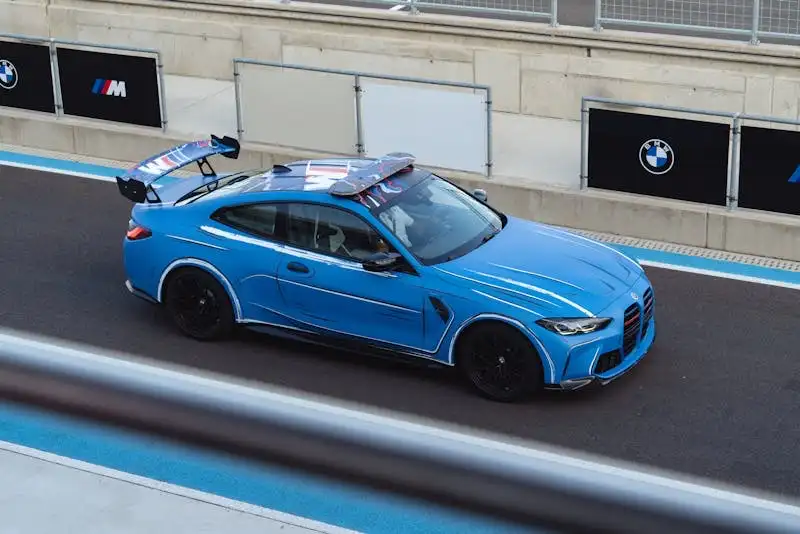
Brand Perception: Established global brands, like TeslaUAE TeslaBahrain TeslaEgypt TeslaKSA TeslaKuwait TeslaOman TeslaQatar Tesla and BMWUAE BMWEgypt BMWBahrain BMWKSA BMWKuwait BMWOman BMWQatar BMW, tend to maintain better resale value due to their proven track record. Chinese EV brands often struggle to match this level of trust simply because they’re relatively newer, with less market history in the Middle East.
Battery Longevity: The battery is at the heart of every EV, and its condition directly affects resale price. Buyers prioritize models with longer ranges and durable batteries. A degraded or unreliable battery can heavily impact the car's value.
After-Sales Support: Having easy access to spare parts, repair services, and reliable customer support contributes to long-term value retention for any car, including EVs. In regions where such infrastructure is lacking, depreciation accelerates.
Market Innovation: Newer EV models often boast the latest features, better range, or faster charging. As a result, older models—especially those without frequent software updates—depreciate more quickly.

How Do Chinese EVs Fare in the Middle Eastern Market?
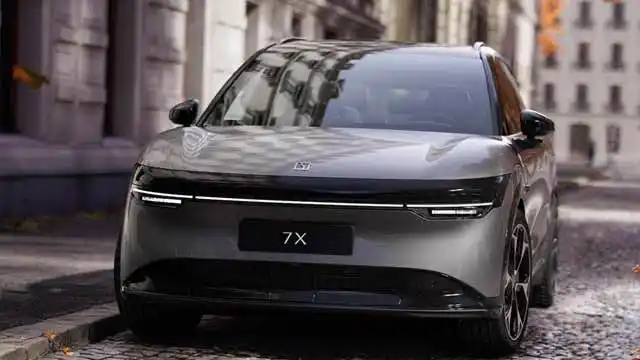
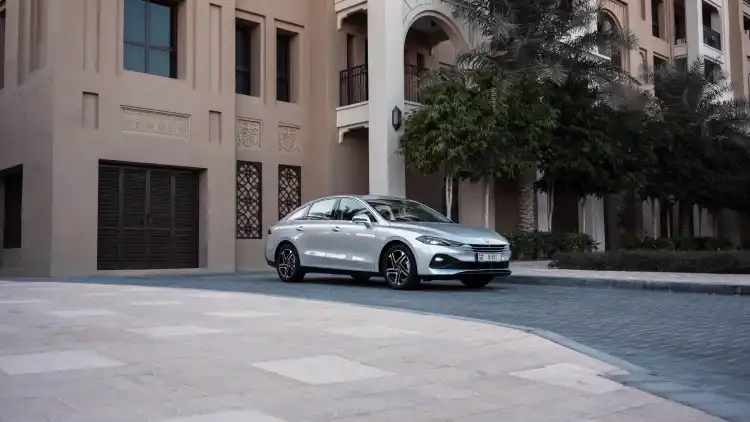
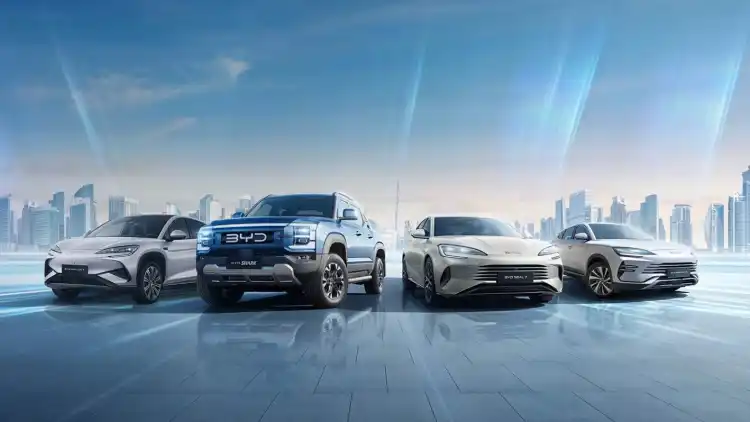
The Middle East is a diverse market with varying levels of acceptance for Chinese EVs. Traditionally, these vehicles were thought of as low-cost alternatives with compromises in quality. However, that perception is evolving, thanks to brands like BYDEgypt BYDUAE BYDKSA BYDBahrain BYDKuwait BYDOman BYDQatar BYD, NIO, and XPeng. Here’s a closer look at both the strengths and challenges facing Chinese EVs in this region.
Key Strengths of Chinese EVs
Affordable Pricing: Chinese EVs often come with a price tag that’s 20-30% lower than similar models from Europe or the U.S. For buyers on a budget or first-time EV owners, this cost advantage can be a compelling reason to choose these vehicles.
Impressive Technology: Innovations like advanced battery management, extended operational range, and smart interior systems are key selling points for many Chinese brands. Some models even introduce features like autonomous driving well before traditional competitors.
Incentives and Savings: Buyers in some Middle Eastern countries can benefit from lower import duties, government incentives, or discounted registration fees when purchasing Chinese EVs. These advantages make them even more cost-effective in the long run.
Challenges Likely to Impact Depreciation
However, challenges remain and impact depreciation rates for Chinese EVs:
Limited Historical Data: Since many brands are still new to the region, potential buyers don't have much information on long-term performance. Uncertainty often drives resale prices down.
Lower Brand Recognition: While improving, Chinese brands are not yet as established as Japanese or German automakers in the local market. This affects confidence in the product and, subsequently, its value.
Durability Concerns: Lingering doubts about how these vehicles hold up over time—despite improvements in quality—can make buyers cautious.
Market Dynamics in the Middle East
The Middle East is steadily embracing electric vehicles. Yet, the landscape differs drastically between nations in terms of adoption rates, government support, and market maturity. Here’s what you need to know about the region's dynamics:
Growth Trends
Green-driven policies in countries like the UAE, Saudi Arabia, and Qatar are significantly boosting EV sales. From charging infrastructure improvements to emissions reduction goals, there’s palpable momentum toward wider EV adoption. These policies indirectly support Chinese EV brands by creating a framework for competitive pricing and encouraging consumer interest.
Resale Realities
Depreciation for Chinese EVs can be steeper due to fierce competition among brands and a market preference for well-established names. That said, cars with solid warranties and appealing features like autonomous driving might fare better in terms of resale price. Buyers in this region tend to value comprehensive after-sales services, which can tip the scales in favor of certain Chinese EV models.
Strategies for Better Value Retention
If you’re set on buying a Chinese EV, there are ways to mitigate depreciation and maximize your car’s resale value:
Select Reputable Brands: Brands like NIO, BYD, and XPeng are gaining international acclaim. Choosing established names helps boost confidence in future buyers.
Focus on Battery Technology: A vehicle with an extended battery warranty, typically up to 8 years, can retain better value and reassure secondary market buyers.
Seek Out Innovative Features: Extras like smart systems, autonomous driving capabilities, and faster charging options will help hold interest as the car ages.
Understand Market Trends: Keep an eye on government incentives, tariff changes, and charging network expansions. These factors impact the perceived value of EVs in specific countries.
FAQ
Are Chinese EVs reliable compared to other brands?
Over the years, Chinese EVs have improved significantly. They now incorporate cutting-edge technology and more stringent quality control measures. However, reliability can vary across manufacturers and models, so it’s crucial to select a trusted name in the industry.
What is the average depreciation rate for Chinese EVs?
As of now, Chinese EVs often see a sharper decline in value within the first few years compared to Western brands. On average, expect a 30-50% depreciation in the first three years, depending on market trends and the model.
How important is battery technology for EV resale value?
Battery health is paramount. Strong warranty coverage and healthy battery performance can greatly enhance the resale value, making it a prime factor to consider when buying a Chinese EV.
Do Chinese EVs qualify for government incentives in the Middle East?
Yes, many governments in the region offer perks like reduced import duties or free charging. Check your local regulations for specifics, as incentives vary.
Is it better to lease or buy a Chinese EV?
Leasing could be a safer option for those concerned about resale value. This approach lets you benefit from the latest model improvements without worrying about depreciation.
By keeping these insights in mind, buyers can navigate the world of Chinese EVs in the Middle East more effectively. Whether you’re looking to save money on your first EV or explore cutting-edge technology, understanding depreciation will help you make a smarter purchase decision.
Read More:
Is Made-in-China Still a Concern for EV Buyers in 2026?
2 / 1