
- What Is Front-Wheel Drive (FWD)?
- What Is Rear-Wheel Drive (RWD)?
- What Is All-Wheel Drive (AWD)?
- Performance Comparison
- Which Is Right for You?
- FAQ
- Conclusion
What Is Front-Wheel Drive (FWD)?
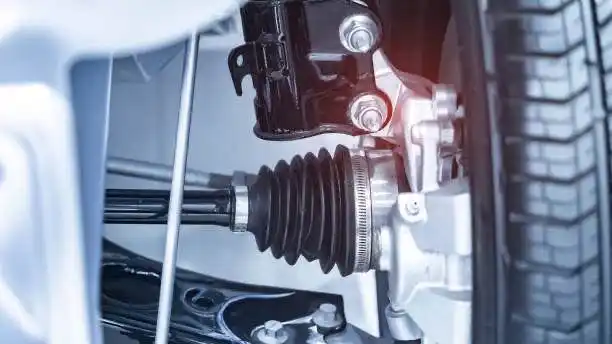
In a front-wheel-drive vehicle, the engine powers the front wheels. The transmission and differential are combined into a single unit called a transaxle. FWD is the most common layout in compact cars, sedans, and crossovers.
What Is Rear-Wheel Drive (RWD)?
In rear-wheel-drive vehicles, the engine sends power to the rear wheels through a driveshaft. RWD is common in sports cars, luxury sedans, and trucks. It offers better weight distribution and handling balance.
What Is All-Wheel Drive (AWD)?
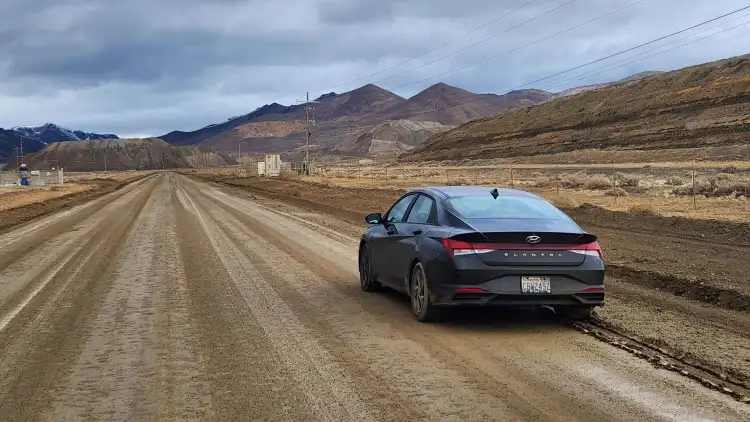
All-wheel drive sends power to all four wheels, either full-time or on-demand. AWD systems improve traction on slippery surfaces like sand, gravel, and wet roads. They are popular in SUVs, crossovers, and performance vehicles.
Performance Comparison
Acceleration and Traction
FWD cars tend to understeer during hard acceleration because weight shifts to the rear. RWD cars can oversteer if too much power is applied. AWD provides the best traction off the line, especially on loose surfaces.
Fuel Efficiency
FWD is the most efficient because it has fewer drivetrain components and less weight. RWD loses some efficiency to the driveshaft. AWD is the least efficient due to additional weight and friction.
Handling and Dynamics
RWD offers the most engaging handling for enthusiasts, with predictable steering feel and balanced chassis dynamics. FWD is practical and predictable for daily driving. AWD provides confidence in adverse conditions.
Cost and Maintenance
FWD vehicles are the cheapest to manufacture and maintain. RWD has moderate costs. AWD adds complexity, weight, and maintenance expenses for additional differentials and transfer cases.
Which Is Right for You?
- Choose FWD if: You want maximum efficiency, low cost, and predictable handling for city and highway driving.
- Choose RWD if: You prioritize driving enjoyment, towing, or performance. You are comfortable managing traction in slippery conditions.
- Choose AWD if: You drive on sand, gravel, or wet roads regularly, or want maximum confidence in varied conditions.
FAQ
Is AWD the same as 4WD?
Not exactly. AWD is typically always active or automatically engaged. 4WD is usually driver-selectable and includes low-range gearing for off-roading.
Does AWD help on dry pavement?
Minimal benefit. AWD primarily improves traction on loose or slippery surfaces. On dry pavement, it adds weight and reduces efficiency.
Can you drift with FWD?
Not in the traditional sense. FWD cars can lift-off oversteer, but controlled drifting requires RWD or AWD with a rear bias.
Which is best for snow or sand?
AWD is the best choice, followed by FWD. RWD struggles the most on low-traction surfaces without snow tires or weight over the rear axle.
Conclusion
Each drivetrain layout has distinct advantages. Your choice depends on climate, driving style, and priorities. There is no single best option, only the best option for your needs.