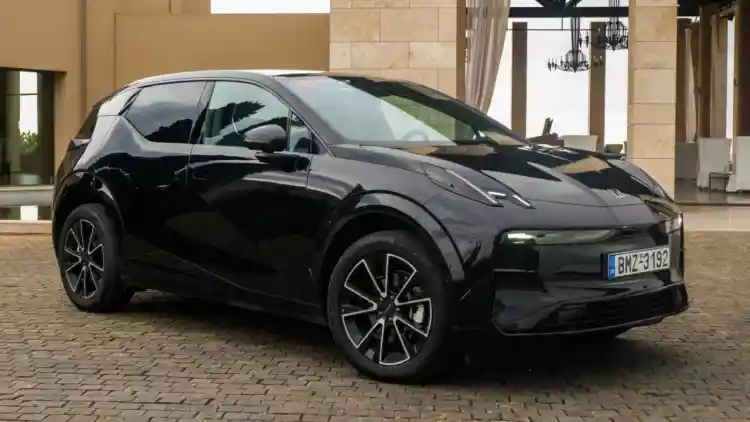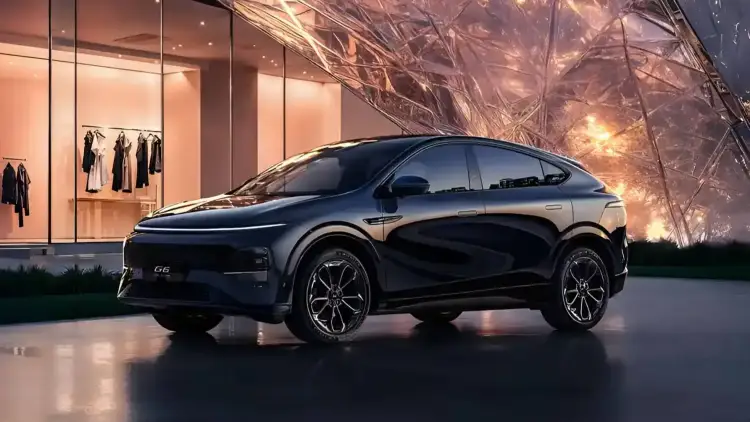

- Overview: Geely Zeekr vs XPeng
- Major Comparisons: Features, Performance, and Pricing
- Pros and Cons
- Verdict: Which is Right for You?
- FAQ
The premium electric vehicle (EV) market is changing rapidly, and Chinese brands are leading the way. Among the key contenders, GeelyUAE GeelyKSA GeelyKuwait GeelyQatar GeelyOman GeelyBahrain GeelyEgypt GeelyZeekrBahrain ZeekrEgypt ZeekrKSA ZeekrKuwait ZeekrOman ZeekrQatar ZeekrUAE Zeekr and XPengKSA XpengUAE XpengBahrain XpengEgypt XpengKuwait XpengOman XpengQatar Xpeng stand out as innovators. These brands combine technological advancements with stunning designs to compete not only in China but around the world. This article explores their key differences, features, and why either of them might be your next EV. Dive in to discover which brand fits your preferences for luxury, technology, and daily utility.

Overview: Geely Zeekr vs XPeng
Chinese automakers are no longer defined by just their domestic market success. Their electric vehicles are now making headlines internationally with remarkable technologies, efficient pricing strategies, and luxurious designs. Two brands, Geely Zeekr and XPeng, are currently reshaping how premium EVs are perceived. Both brands offer distinct advantages while targeting a similar customer base.
What are Zeekr and XPeng?
Zeekr, a brand under Geely’s umbrella, is geared towards the luxury EV segment. It blends functionality and sophistication, giving customers vehicles tailored for premium living. Models like the Zeekr 001Bahrain Zeekr 001Egypt Zeekr 001KSA Zeekr 001Kuwait Zeekr 001Oman Zeekr 001Qatar Zeekr 001UAE Zeekr 001 feature a striking blend of sporty aesthetics and high-performance driving capabilities, attracting EV enthusiasts who prioritize elegance and range.
XPeng, founded as an independent EV maker, is known for taking a technology-first approach. Its models, such as the P7 and P5, are at the forefront of smart and semi-autonomous vehicles. By managing advancements in artificial intelligence, XPeng appeals to tech-savvy buyers who are looking for wide-ranging capabilities without sacrificing affordability.

Major Comparisons: Features, Performance, and Pricing
When choosing between these two leading brands, it’s important to consider what matters most to you as a driver. Let’s explore their highlights in design, technology, performance, and pricing.
Design and Build Quality
Zeekr cars focus strongly on a combination of luxury and sportiness. The exteriors showcase sleek body lines, while the interiors rely on premium materials. Every detail feels high-quality, from the dashboard layout to the seat designs, making it a choice for those who admire style.
XPeng, in contrast, leans toward futuristic, tech-focused aesthetics. Its designs are clean but distinctly modern. The interiors often prioritize the seamless integration of screens, voice controls, and intelligent systems over traditional luxury aesthetics. It’s an ideal pick for gadget fans and forward-thinking drivers.
Range and Battery Technology
Zeekr’s vehicles are designed for long-distance use, offering ranges that go beyond 600 kilometers (approximately 373 miles) on a single charge. This makes them an excellent option for those planning extended road trips or inhabiting regions without dense charging networks.
XPeng doesn’t quite compete in range, with models like the P7 coming in at around 500 kilometers (310 miles). However, the brand compensates with its focus on energy efficiency and faster charging times, making it better for urban users or those with access to rapid chargers.
Technology and Features
Zeekr enhances the driving experience with customizable interiors, a high-capacity touchscreen infotainment system, and semi-autonomous features. Drivers can expect smooth handling paired with luxurious space.
XPeng takes a different approach, leading in autonomous technology with its XPilot system. This proprietary feature allows for adaptive cruise control, accurate lane-keeping, and an advanced navigation platform that learns user preferences over time. XPeng is a great match for anyone enthusiastic about AI and self-driving technology.
Pricing and Accessibility
While Zeekr cars like the Zeekr 001 put luxury first, these come with higher price tags, starting from approximately 150,000 AED to 200,000 AED (or SAR equivalent). The plush interiors and long battery ranges justify the cost.
XPeng, on the other hand, targets a broader audience by offering more affordable pricing, beginning around 120,000 AED to 160,000 AED (or SAR equivalent). This makes it enticing for buyers looking for premium quality at a cost-effective rate.
Pros and Cons
To help you make a better decision, here’s a breakdown of what you can expect from each brand.
Why Choose Zeekr?
Pros:
Ultra-long battery ranges, ideal for extended commutes or road trips.
Premium materials and refined build quality offer a true luxury feel.
Impressive sporty designs combined with reliable performance.
Cons:
Higher price points may limit accessibility.
The brand has fewer models currently available, giving limited flexibility.
Why Choose XPeng?
Pros:
State-of-the-art smart driving technology with AI-affiliated advances.
Attractive costs for first-time EV owners or budget-conscious buyers.
Bold, innovative designs that resonate with younger, tech-focused audiences.
Cons:
Shorter driving ranges compared to Zeekr.
Places more emphasis on technology than on traditional luxury finishes.
Verdict: Which is Right for You?
The debate between Geely Zeekr and XPeng is all about individual priorities. Those seeking unrivaled luxury, extensive driving range, and high-end finishes will lean toward Zeekr. Its vehicles cater to drivers looking for elegance and performance over everything else.
On the other hand, XPeng attracts customers who prioritize advanced tech features and affordability. With its emphasis on AI and smart navigation systems, XPeng is perfect for those who imagine a future of autonomous driving.
Both brands are at the forefront of the EV revolution and serve as proof that Chinese manufacturers are creating world-class electric vehicles. Regardless of the choice, owning a Zeekr or XPeng means stepping into a future of cleaner, innovative transportation.
FAQ
Q: What is the primary difference between Zeekr and XPeng?
Their focus areas: Zeekr emphasizes luxury and driving range, while XPeng is geared toward affordability and advanced smart features.
Q: Are Geely Zeekr and XPeng available in the Middle East?
Yes, both brands are rapidly expanding to global markets, including the Middle East, tailoring their offerings for specific regions.
Q: Which brand offers better autonomous driving technology?
XPeng leads in this area, with proprietary AI systems like XPilot, making it a top contender for tech-savvy buyers.
Q: Are Zeekr and XPeng cars suitable for families?
Both brands offer family-friendly features, but Zeekr's spaciousness and premium interiors may make it a more comfortable choice for larger families.
Q: Can you use these vehicles for long-distance travel?
Yes, both brands are suitable for long journeys, although Zeekr’s extended range offers an edge for such purposes.
Read More:
Honda Civic 2019 Price in UAE: Your Complete Guide
Hyundai Santa Fe 2020: A Comprehensive Guide to This Midsize SUV