
- Key Points to Remember
- How to Start an Automatic Car?
- How to Drive an Automatic Car?
- How to Park an Automatic Car?
- Additional Driving Tips
- Modern Gear Selector Types (2025 Models)
- Emergency Procedures When Driving a Automatic Car
- How to Maintenance an Automatic Car?
- FAQ
Learning to drive automatic car can be an exciting yet challenging experience for beginners, especially if transitioning from a manual transmission vehicle. However, automatic cars are designed for ease of use, and once you understand the basic controls and driving techniques, you'll find the process straightforward. In this guide, we'll walk you through the essentials of starting, driving, and parking an automatic car step by step. If you’re new to driving entirely, consider having a seasoned driver accompany you for added safety.
Key Points to Remember
Always use your right foot for both the brake and accelerator pedals.
Shift to "D" (drive) for forward movement, "R" (reverse) for backing up, and "P" (park) when stationary.
Engage the parking brake before turning off the engine for added security.
Avoid using "N" (neutral) unless absolutely necessary.

How to Start an Automatic Car?
Adjust Your Seating and Mirrors: Begin by ensuring your seat is positioned comfortably so you can easily reach the pedals and steering wheel. Adjust your mirrors for optimal rear and side visibility. Always put on your seatbelt before starting the vehicle.
Press the Brake Pedal: Use your right foot to depress the brake pedal securely. Modern automatic cars often require the brake pedal to be engaged before the car can be started.
Start the Engine: Depending on your car model, turn the key in the ignition or press the start button. While the engine starts, keep the brake pedal pressed. Adjust other settings like lights and climate controls as needed.
Choose Your Gear: Press the button on the gear selector and shift to "D" for driving forward or "R" for reversing. Ensure the parking brake is disengaged before moving.
Release the Parking Brake: Lower the lever or press the parking brake pedal while keeping your foot on the brake. Once done, you're ready to drive.
How to Drive an Automatic Car?
Keep the Gear in "D": When driving, leave the transmission in "D." The car automatically selects the appropriate gear based on your speed, making it easier for beginners to focus on steering and braking.
Use One Foot for the Pedals: Always operate the brake and accelerator pedals using your right foot. Avoid using your left foot to prevent accidental simultaneous braking and accelerating, which could be dangerous.
Reversing Safely: To reverse, come to a complete stop and shift into "R." Back up slowly, checking your surroundings and mirrors for obstacles.
Utilize Lower Gears When Necessary: In situations like towing, driving downhill, or navigating slippery roads, shift to "L" or lower gears to improve control and stability.
Avoid Neutral While Moving: Neutral ("N") is typically reserved for idling or towing and should not be used while driving under normal conditions.

How to Park an Automatic Car?
Reverse into Parking Spaces When Needed: Use "R" to carefully back into parking spots. This method often provides better visibility when exiting the space later.
Engage the Parking Brake: After stopping in the desired location, pull the parking brake lever or press the parking brake pedal for added safety.
Shift to "P": Move the gear lever to "P" to secure the vehicle against movement. This is especially critical when parking on inclines.
Adjust Wheel Position on Hills: If parking downhill, turn the front wheels toward the curb. For uphill parking, turn them away from the curb to prevent the car from rolling.
Turn Off the Engine: Finally, switch off the engine by turning the key or pressing the stop button. Ensure all lights and accessories are off before leaving the vehicle.
Additional Driving Tips
Stick to One Foot: Using one foot for both pedals ensures better control and avoids confusion while driving.
Understand Gear Options: Semi-automatic cars may require manual gear shifting despite lacking a clutch pedal. Familiarize yourself with your car’s specific transmission type.
License Considerations: If your driver's license is restricted to automatic cars, you cannot legally drive manual transmission vehicles.
Common Driving Mistakes to Avoid
When learning how to drive automatic car, it is equally important to avoid common driving errors that can compromise safety.
Dangerous Habits
Coasting in Neutral:Allowing your car to coast in Neutral often results in reduced braking efficiency and can lead to hazardous situations. Not only does this practice increase fuel consumption, but it may also conflict with GCC certified driving standards, especially in residential areas like many UAE neighborhoods.
Incorrect Parking Procedures:Avoid rushing the parking process. Always ensure you follow the correct sequence:come to a full stop, engage the parking brake firmly, and then shift to Park. This sequence helps prevent unintentional rollbacks and guarantees that your vehicle remains secure.
Modern Gear Selector Types (2025 Models)
Type | Example Cars | Operation Tip |
|---|---|---|
Rotary Dial | Nissan SunnyUAE Nissan SunnyBahrain Nissan SunnyEgypt Nissan SunnyKSA Nissan SunnyKuwait Nissan SunnyOman Nissan SunnyQatar Nissan Sunny 2025 | Turn clockwise for moving into Drive mode |
Push-Button | Toyota CamryBahrain Toyota CamryEgypt Toyota CamryKSA Toyota CamryKuwait Toyota CamryOman Toyota CamryQatar Toyota CamryUAE Toyota Camry Hybrid | Press the button labeled "D" twice for Sport Mode |
Traditional Lever | Mitsubishi ASXUAE Mitsubishi ASXBahrain Mitsubishi ASXEgypt Mitsubishi ASXKSA Mitsubishi ASXKuwait Mitsubishi ASXOman Mitsubishi ASXQatar Mitsubishi ASX | Utilize the thumb button for an override when necessary |
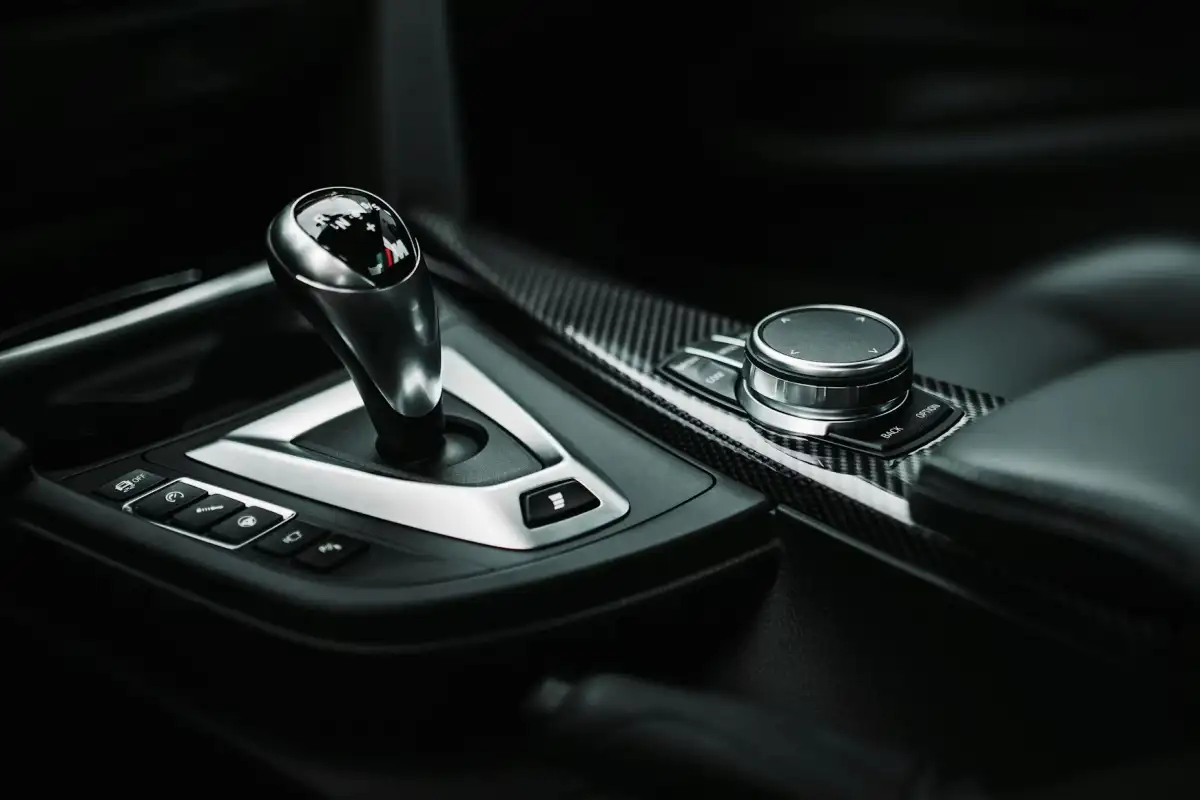
Each gear selector type has its unique operation, but the fundamental concept remains the same:understanding how your gear selector works will help you drive automatic car with confidence.
Emergency Procedures When Driving a Automatic Car
Stuck Accelerator Protocol
If you find yourself in a situation where the accelerator becomes unresponsive, follow these steps immediately:
Activate your hazard lights to alert other drivers.
Firmly apply the brake pedal to slow the car safely.
Shift the gear selector to Neutral (N) to disengage the power delivery.
Carefully guide your vehicle to the roadside and bring it to a complete stop.
Hill Start Assistance (2025 Standard)
Many 2025 automatic cars now come equipped with hill start assistance. This system holds the brake pressure for up to three seconds on slopes exceeding a 10% gradient. It works effectively in both forward and reverse gears, reducing the risk of rollback during hill starts and ensuring a smoother, safer experience.

How to Maintenance an Automatic Car?
Proper maintenance is key to keeping your automatic car running at its best. Routine checks and preventive care can prolong the life of your vehicle while ensuring safety with every drive.
Service Intervals for Automatic Cars
Fluid Change:It is advised to change the transmission fluid every 60,000 km or within 48 months. This step is essential to prevent damage and maintain the smooth operation of your automatic car.
Transmission Check:Schedule a professional transmission check every 12 months. Regular inspections can detect issues early, saving you from larger repair costs down the road.
Software Updates:Modern vehicles often receive over-the-air (OTA) software updates on a quarterly basis. Staying updated means your car continues to meet GCC certification standards and operates efficiently.
Warning Signs Checklist
Be vigilant if you notice any of the following signs:
Delayed acceleration that lingers for over two seconds
Unusual grinding noises during gear shifts
A burning smell originating near the gear selector
Activation of the dashboard’s "AT" warning light
If any of these symptoms appear, contact a professional mechanic promptly to ensure your automatic car remains safe and reliable.
Read more about how to choose between manual or automatic car.
FAQ
How do I safely use the gear selector in my automatic car?
Understanding the gear selector is crucial. Start by ensuring you are familiar with every position, such as P (Park), R (Reverse), N (Neutral), and D (Drive). This hands-on practice will build your confidence and help avoid situations where an incorrect gear might lead to unexpected vehicle movement. Regularly check your vehicle’s dashboard for clear indicators that confirm you are in the right gear. Always consult your car’s manual for any model-specific instructions to abide by GCC certified standards.
What should I do if the auto start-stop feature malfunctions?
If you discover that the auto start-stop feature is not functioning properly, take immediate action. Disable the feature using the designated button next to the steering wheel, and monitor any changes in engine behavior at traffic lights. It’s important to have your vehicle inspected by a professional mechanic who is familiar with GCC guidelines. Maintaining the system not only saves fuel but also ensures that your automatic car adheres to modern efficiency standards. Don’t ignore this issue, as it directly impacts your vehicle’s overall performance.
Can I improve fuel efficiency in my 2025 automatic car?
Absolutely, improving fuel efficiency is a common goal among drivers. Utilize the smart auto start-stop feature along with adaptive cruise control to optimize your fuel consumption. Consistent, gentle acceleration and proper gear selection play a big role in reducing fuel wastage. Additionally, having regular maintenance checks and following GCC recommended service intervals will help keep the system efficient. Sometimes, small changes in driving habits can lead to measurable improvements in both fuel efficiency and overall vehicle performance.
What maintenance routines are essential for automatic cars in this region?
For maintaining your automatic car, regular service intervals are your best friend. Ensure that fluid changes are performed every 60,000 km or 48 months, and that your transmission is checked annually. Keeping up with over-the-air software updates guarantees that your car remains compliant with GCC certification standards. Moreover, always be alert for warning signs like delayed acceleration or unusual noises during shifts. These routines not only uphold performance but also safeguard your investment.
This article is for reference only, please follow the latest local laws and regulations.
Read more:
2025 Abu Dhabi Monthly Car Rentals