
- What Parents Must Know About Dubai's Car Seat Laws
- Importance of Child Car Safety in Dubai
- Types of Child Car Seats
- Common Mistakes to Avoid When Using a Child Car Seat
- Upcoming of Child Car Safety Rules
Stay compliant and keep your children safe with our clear guide to car seat law in Dubai. Get the facts on what's mandatory, the fines for non-compliance, and how to choose the right seat—all in one quick read.
What Parents Must Know About Dubai's Car Seat Laws
Current Legal Requirements for 2025
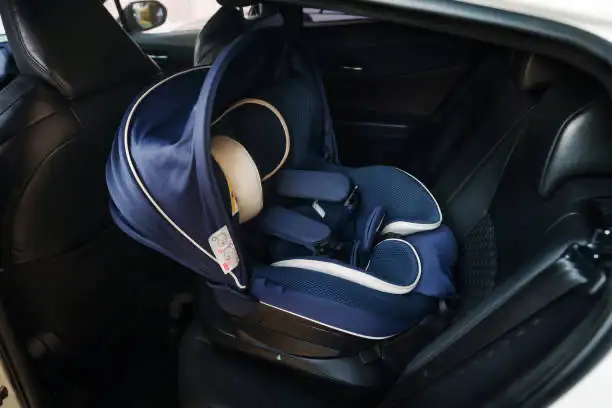
Dubai enforces strict regulations to ensure child safety while traveling. For children under 4 years old or shorter than 145cm, using an approved car seat is mandatory. You must choose from rear-facing infant carriers, forward-facing seats, or booster cushions that meet UAE's child safety standards. This regulation aims to reduce injuries and penalty risks, making it essential for every parent in the region.
2025 Fine Structure
Dubai’s enforcement is clear on penalties. The table below outlines the fines and points incurred for violations:
Violation | Fine (AED/SAR) | Black Points |
|---|---|---|
No car seat | 400 | 4 |
Improper installation | 300 | 2 |
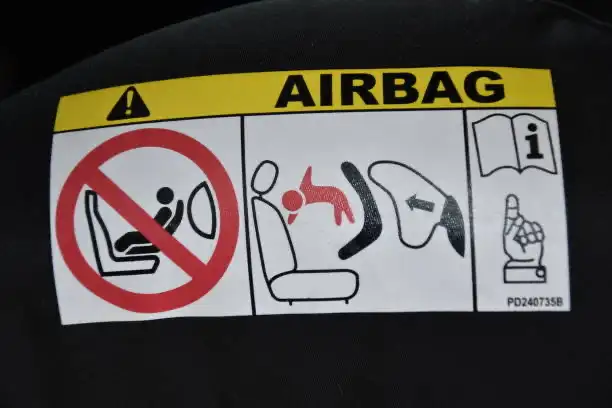
Front seat violation | 500 | 4 |
New Detection Methods
Law enforcement in Dubai increasingly uses technology to ensure compliance. You may notice:
AI-powered traffic cameras tracking vehicle safety compliance in school zones
Regular inspections of ride-hailing vehicles for proper car seat usage
Increasing collaboration between local authorities and educational institutions to promote modern child safety laws of the UAE
Importance of Child Car Safety in Dubai
Accident Statistics (UAE 2024 Report)
Recent studies show a dramatic reduction in injuries and fatalities when car seats are used. The data below highlights how child safety laws benefit various age groups:
Age Group | Injury Reduction | Fatality Prevention |
|---|---|---|
0-2 years | 71% | 89% |
3-4 years | 54% | 76% |
Maintaining valid car seats is not just about avoiding fines—it’s about giving your child the best protection on the road where ambient temperatures and sudden incidents pose significant hazards.
Temperature Risks in UAE Vehicles
In Dubai's extreme climate, vehicle temperatures can soar dangerously high. Car seats are designed with breathable materials and integrated cooling measures that help alleviate these risks. In scenarios where interior temperatures reach up to 65°C, proper use of car seats improves air circulation and keeps children safer in unexpected situations.
Types of Child Car Seats
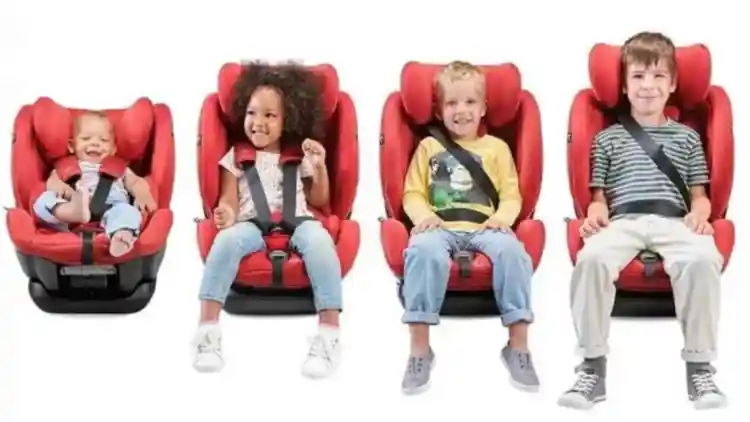
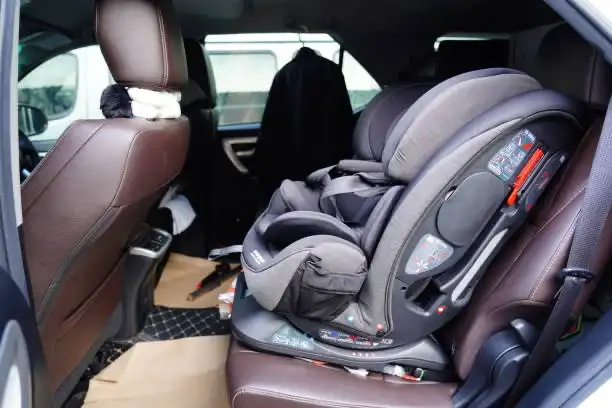
Choosing the right car seat is essential for your child’s safety. Different types of car seats are designed based on the child’s growth stages:
Rear-Facing Seats (Infants & Toddlers):
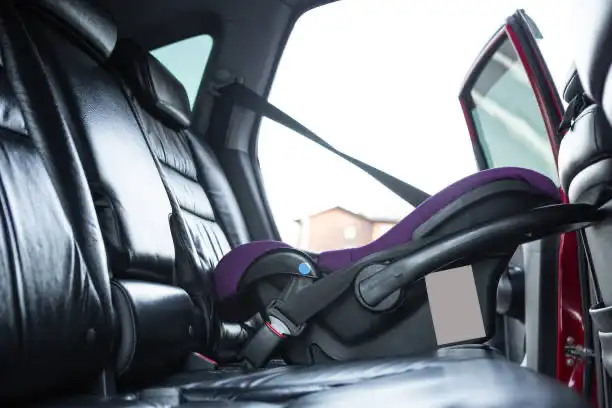
These seats are designed for newborns and young children, offering critical support for their head, neck, and spine. They are suitable for children up to 9–13 kg and should remain rear-facing for as long as possible, ideally until the age of 2.Forward-Facing Seats (Toddlers & Preschoolers):
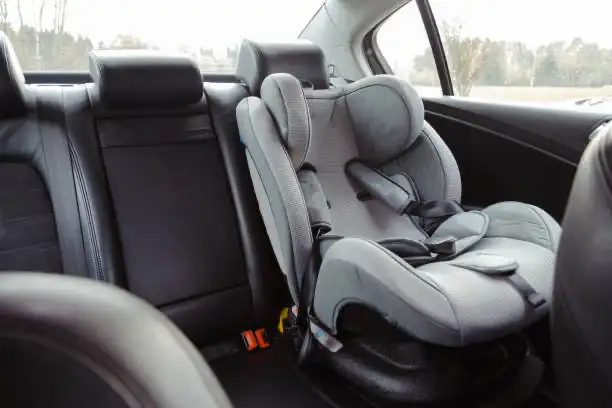
Once children outgrow their rear-facing seats, they can transition to forward-facing ones. These seats come with a 5-point harness system and are suitable for kids weighing between 9–18 kg.Booster Seats (Older Children):
Booster seats are designed for children who have outgrown their forward-facing car seats but are still too small for an adult seatbelt. They ensure that the seatbelt fits correctly across the chest and hips and are suitable for children weighing 15–36 kg.
Common Mistakes to Avoid When Using a Child Car Seat
Installation Errors
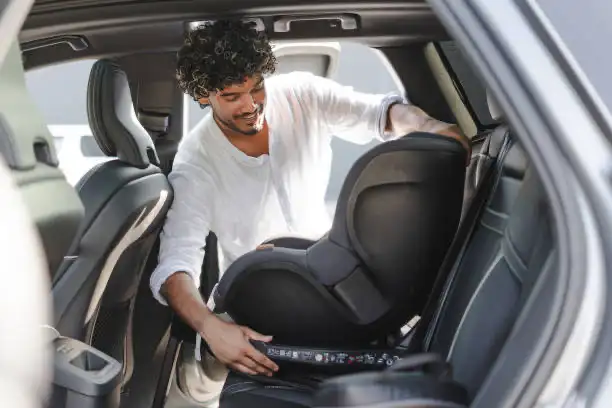
Incorrect installation is a common pitfall among parents striving to adhere to the law. Avoid these mistakes:
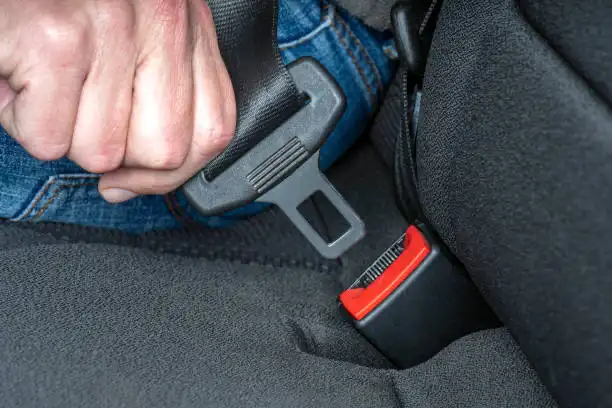
Do not use both ISOFIX and a seat belt simultaneously when securing the seat.
Resist the temptation to forward-face your child before the recommended age or weight threshold.
Ensure the harness is tight and secure, avoiding folds that might compromise safety.
Maintenance Oversights
Taking care of your car seat is as important as correct installation. Remember to:
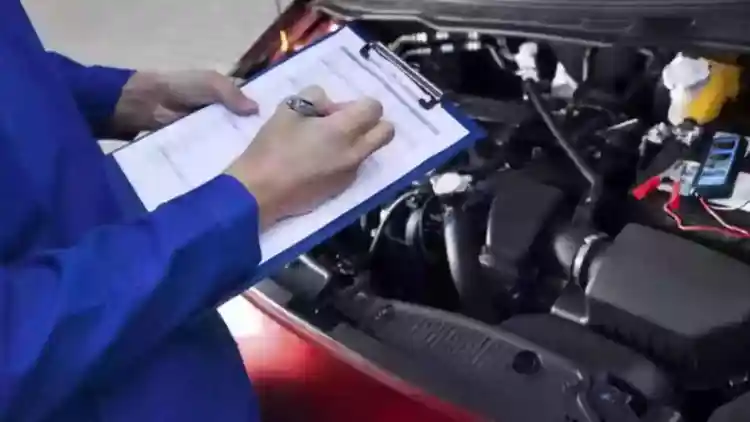
Replace the car seat after even minor collisions.
Check manufacturing dates to avoid using expired models.
Stay alert to any recall notice from local safety authorities like ESMA.
Upcoming of Child Car Safety Rules
Proposed 2026 Changes
Looking ahead, experts suggest several updates to current regulations. Anticipated changes include an increase in the height requirement to 150cm and mandatory car seat usage in taxis. Manufacturers are also exploring smart seat sensors that monitor harness tension and temperature in real time. These trends indicate a promising future for child car safety regulations in Dubai.
Parent Education Programs
Local authorities are launching innovative educational programs tailored for parents. Participate in free workshops at designated Dubai Police stations and benefit from virtual reality training modules. Bilingual safety podcasts in Arabic and English are expected to launch in Q3 2025, helping you stay informed and compliant with evolving child safety laws.
FAQ
Q1: Is car seat mandatory in dubai for all children?
For children under 4 years old or shorter than 145cm, using a car seat that meets UAE safety standards is required. This regulation is designed to ensure maximum safety during travel. You must use a rear-facing, forward-facing, or booster seat as approved. Regular updates in child safety laws mean that occasional changes might occur, so stay informed with local news and official announcements.
Q2: What are the age and weight guidelines for different types of car seats in Dubai?
Different car seats are tailored for specific age groups. Rear-facing seats suit infants up to 13kg, while forward-facing seats are generally recommended for toddlers between 9-18kg. Booster seats cater to older children weighing from 15-36kg. These guidelines help guarantee that children are placed in the safest environment possible during travel.
Q3: How do I ensure proper installation of my child car seat in Dubai?
You should read the manufacturer's guidelines thoroughly and use installation methods like ISOFIX or the vehicle’s seat belt properly. Local authorities provide free installation clinics and tutorials at various centers such as the Dubai Autodrome. Verify that the seat is securely fastened by checking the tightness of the harness and stability of the seat. These precautions help you avoid fines and ensure your child is safe on every journey.
Q4: What penalties can I face if I fail to comply with Dubai’s car seat laws?
Failing to use a mandatory car seat can result in fines starting from 400 AED/SAR and black points accumulating on your driving license. Improper installation might incur fines of 300 AED/SAR and additional penalty points, while seating children in the front without meeting the legal conditions can lead to even higher fines. Local law enforcement is using advanced technology to monitor these violations closely.
This article is for reference only; please abide by the latest local laws and regulations.
Read more:
The Ultimate 2025 newGuide to Infant Car Seat Repair






.webp?x-oss-process=image/format,webp/interlace,1/quality,q_70/resize,w_750)