
- What is ESP in Cars?
- How ESP Works?
- Why ESP Matters in 2025 Vehicles?
- How to Use ESP Effectively in Your Car?
- ESP vs Other Safety Features
- ESP in Modern Cars
- ESP Maintenance Tips for UAE Drivers
- FAQ
Curious about what is ESP in a car? You might be wondering how this system boosts your car's safety and stability, especially as we step into 2025. Dive in to find out everything you need to know in simple, straightforward terms.
What is ESP in Cars?
ESP, or Electronic Stability Program, is a safety system designed to enhance vehicle control, particularly in challenging or slippery road conditions. This advanced technology is a standard feature in modern cars, working to prevent accidents caused by skidding or loss of traction. But how does this system function, and why is it essential for drivers? Let's dive deeper into ESP and its role in automotive safety.
How ESP Works?
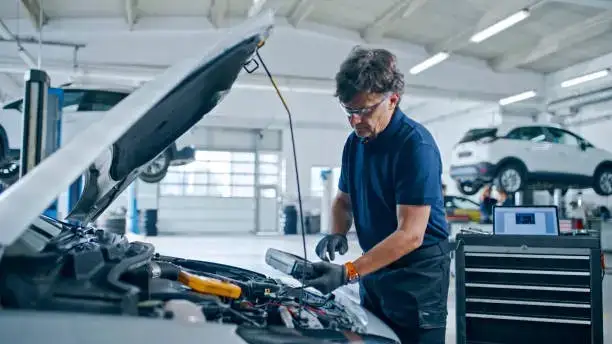
ESP operates by using sensors strategically placed throughout the vehicle to monitor its movement and detect any potential instability. When the system identifies a loss of traction, ESP intervenes by either reducing engine power or applying the brakes on specific wheels. This process helps the driver maintain control of the car, particularly in scenarios of oversteering or understeering.
Basic ESP Systems: In budget-friendly cars, ESP may perform basic interventions by cutting significant amounts of engine power and engaging all brakes when traction loss is detected.
Advanced ESP Systems: High-end vehicles, particularly performance-oriented ones, often utilize more sophisticated ESP setups. These systems can selectively reduce power and apply braking force to individual wheels, optimizing traction and stability even in extreme conditions.
Why ESP Matters in 2025 Vehicles?
The Accident Prevention Advantage
ESP plays a crucial role in reducing accident risks. Research from the Road Safety Council shows that vehicles equipped with ESP see substantial risk reduction:
Skid accidents:35% decrease
Wet road crashes:25% decrease
Rollover incidents:50% decrease
These numbers highlight the importance of maintaining proper traction control and vehicle stability in today’s cars.
Integration With Modern Tech
In 2025, many vehicles combine ESP with other advanced safety features such as adaptive cruise control and lane-keeping assist. This integration allows sensors to predict and react quickly to challenging driving conditions, ensuring that your car remains steady even on unpredictable roads.
How to Use ESP Effectively in Your Car?
Check Your ESP Status Daily
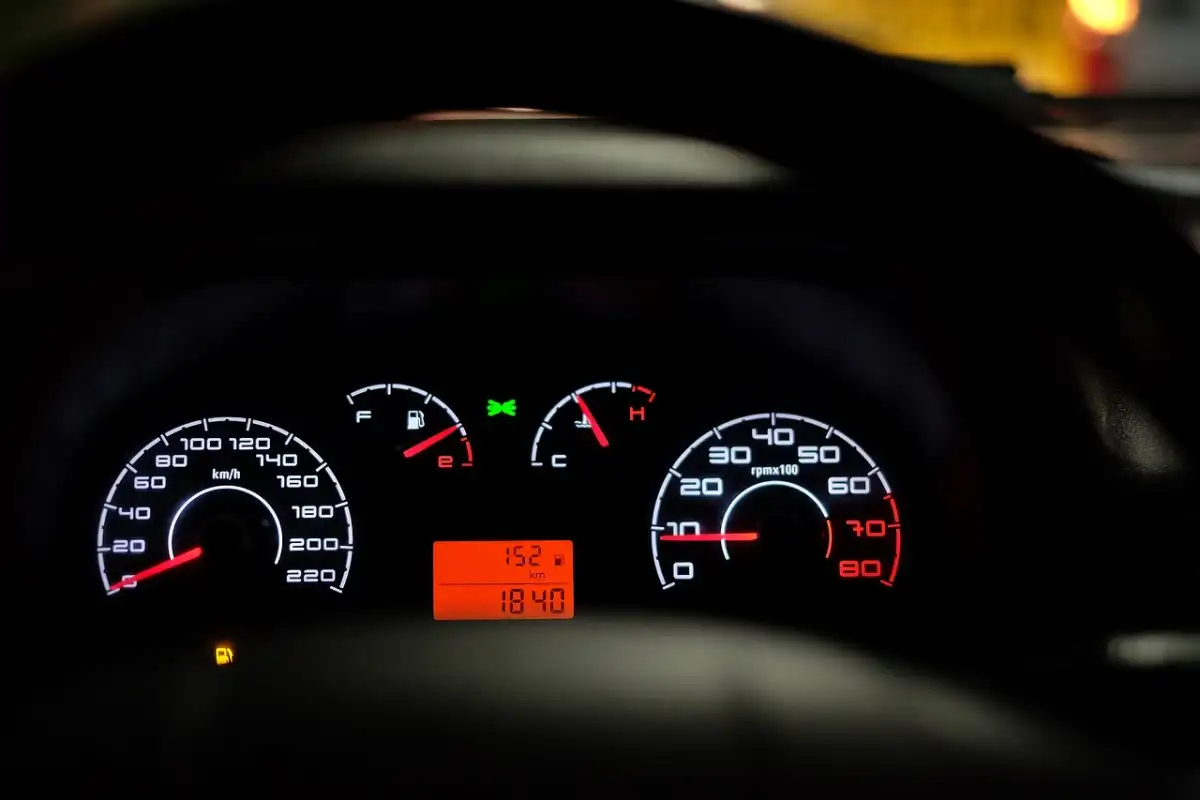
Modern vehicles include an ESP indicator on the dashboard that lets you quickly check if the system is active. When you start your car, the light comes on briefly and then shuts off, confirming that the system is ready. If the indicator flashes while driving, it means the Electronic Stability Program is actively working with your brakes and traction control to keep your vehicle stable.
When to Manually Disable ESP
Although it is best to leave ESP enabled most of the time, there are specific situations where you might consider switching it off temporarily. For instance, when navigating through deep sand in desert areas or when attaching snow chains during tough weather conditions. You may also disable ESP for minor performance tests, but remember, your vehicle stability system is designed to help you maintain control on slippery roads.

ESP vs Other Safety Features
Complementary Technologies
ESP does not work in isolation. It collaborates with several other systems to boost safety:
Feature | Primary Function | ESP Interaction |
|---|---|---|
ABS | Prevents wheel lock during braking | Shares the hydraulic system to optimize braking force |
TCS | Reduces wheel spin on slippery surfaces | Utilizes the same wheel sensors to monitor traction |
EBD | Balances braking force among wheels | Enhances overall stability control |
Unique ESP Capabilities
ESP stands out by providing unique safety measures:
It automatically corrects issues like understeer and oversteer.
It helps maintain directional control during abrupt maneuvers.
It operates effectively across a wide speed range (from 5 km/h up to 200 km/h or more).
ESP in Modern Cars
Since 2014, ESP has been mandated for all new cars in the European Union, including those sold in the UK after Brexit. Although early versions of this technology date back to the 1980s, it became widely available in mainstream vehicles during the early 2000s. Even if your car is over a decade old, there’s a good chance it is equipped with some form of ESP.
ESP Maintenance Tips for UAE Drivers
To ensure that your ESP and overall vehicle stability remain optimal, keep these tips in mind:
Regularly replace worn tires as they are a major trigger for ESP intervention.
Service your brake fluid every 40,000 km (or the equivalent in AED/SAR) to maintain responsiveness.
Visit your dealership for periodic software updates to keep the system aligned with GCC certification standards.
FAQ
How do I know if my car’s ESP is working properly?
A properly functioning ESP will show its indicator light during start-up and remain off once the system is active. If you notice constant or flashing warnings while driving, this may indicate a malfunction. Check for any unexpected behavior such as increased braking or noticeable changes in steering response. It’s a good idea to have your vehicle inspected by a professional if you suspect an issue with the Electronic Stability Program.
Can I safely drive if my ESP indicator is flashing?
While a flashing ESP indicator means the system is actively trying to help control your vehicle, it is wise to be extra cautious on the road. The flashing light can indicate that your car is experiencing conditions where traction control is needed urgently. Reduce your speed and avoid sharp maneuvers until you can get the system checked. Regular diagnostics at a trusted garage can ensure that the system is functioning according to GCC safety standards.
What should I do if the ESP light stays on constantly?
A constantly illuminated ESP light might signal a system error or sensor malfunction. In such cases, it is important to have the vehicle inspected immediately. Continuous issues with ESP can affect vehicle stability and overall safety. Consulting your dealership for a diagnostic test will help identify whether it’s a sensor issue or a software glitch.
How does ESP work in conjunction with other systems like ABS and TCS?
ESP seamlessly integrates with systems such as ABS and TCS by sharing critical sensor data. This interaction allows it to apply the correct amount of braking force to maintain vehicle stability. Both ABS and TCS are essential for preventing wheel lock and reducing wheel spin. The combined operation of these features enhances overall safety on diverse road surfaces.
Is it necessary to upgrade my vehicle’s ESP software in 2025?
For optimal performance, updating your vehicle’s ESP software as recommended by the manufacturer is highly beneficial. Software updates address any bugs and ensure compatibility with new safety technologies introduced in modern vehicles. Regular maintenance and updates follow the GCC certification standards and can prevent potential issues. Always check with your local dealership for the recommended service schedule.
This article is for reference only, please abide by the latest local laws and regulations
Read more:
How to Secure the Best Non-GCC Car Insurance Easily?