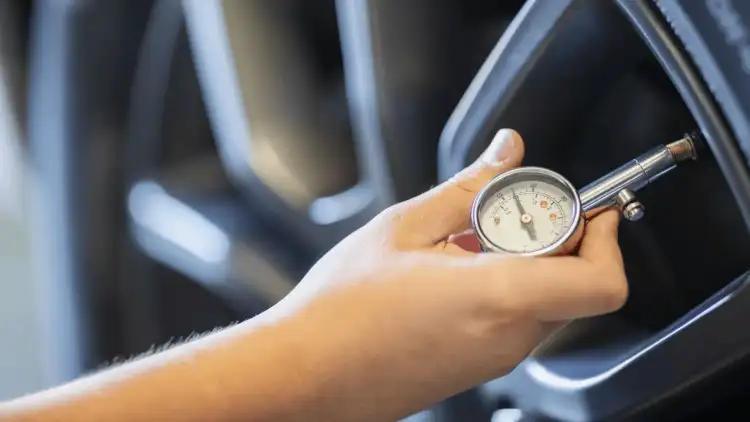

- 100K miles is not the end of the road
- 1. Double‑down on oil changes and tune‑ups
- 2. Refresh the “forgotten” fluids: transmission, brakes, coolant and more
- 3. Replace timing belts, drive belts and tired hoses
- 4. Inspect suspension, steering, brakes and alignment
- 5. Protect the body: wash, decontaminate and wax
- Small maintenance now, fewer big bills later
100K miles is not the end of the road
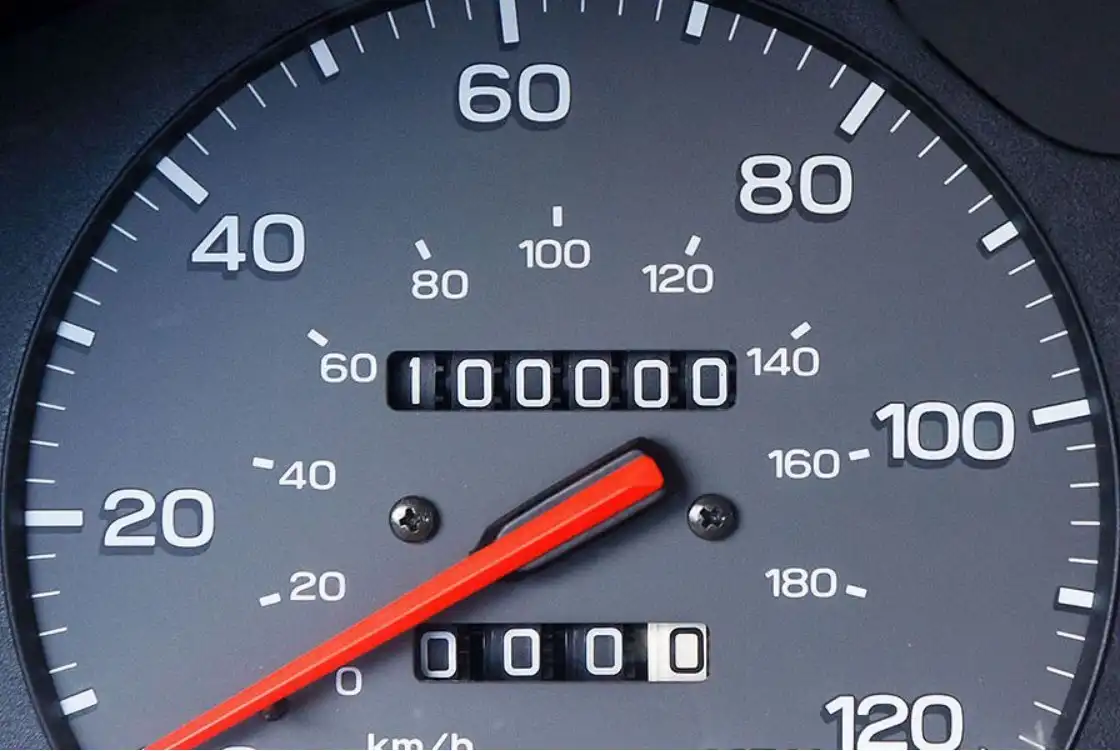
Reaching 100,000 miles no longer means your car is “done”; many modern vehicles can easily double that with the right care.
What does change at this milestone is how strict and systematic your maintenance should become if you want the next 100,000 miles to be reliable and reasonably inexpensive.
1. Double‑down on oil changes and tune‑ups
Treat the maintenance schedule like a hard rule, not a guideline, once you pass 100K.
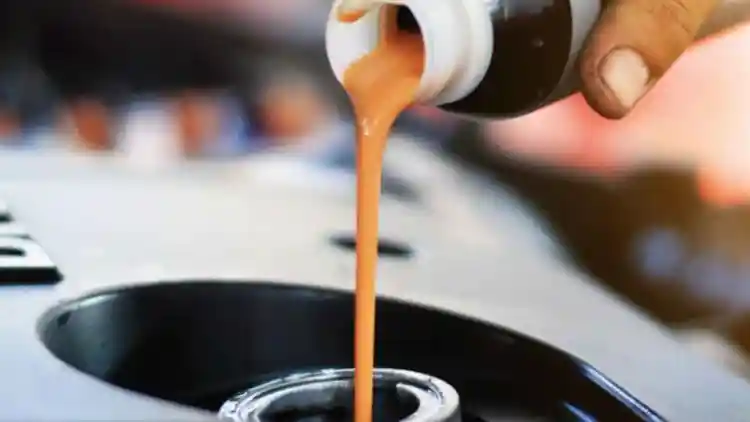
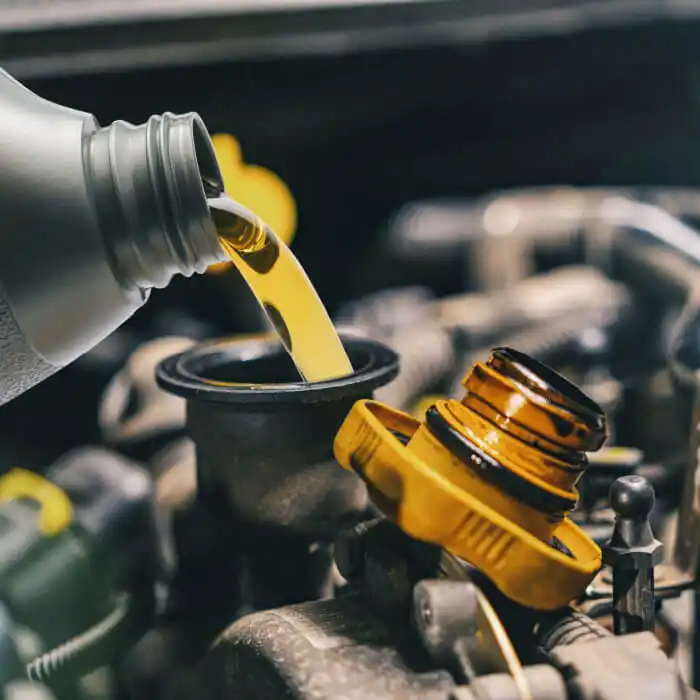
Keep oil changes exactly on time; use the grade and interval recommended in the owner’s manual, whether or not you switch to “high‑mileage” oil.
Replace spark plugs if they haven’t been done; many long‑life plugs are rated for about 100,000 miles and can cause misfires and poor fuel economy if left longer.
Change the engine air filter and cabin filter to keep the engine breathing freely and the HVAC system efficient.
2. Refresh the “forgotten” fluids: transmission, brakes, coolant and more
.jpeg?x-oss-process=image/format,webp/interlace,1/quality,q_60/resize,w_1200)
Transmission fluid degrades with heat and time; a drain‑and‑fill (not an aggressive flush on older/high‑miles autos) helps the gearbox shift smoothly and last longer.
Brake fluid absorbs moisture and collects contaminants, which can cause a soft pedal and internal corrosion; a complete brake‑fluid flush restores proper hydraulic performance.
Coolant loses its protective properties over time; replacing it on schedule helps prevent overheating and protects head gaskets and internal passages.
Don’t neglect “secondary” fluids such as power steering fluid and differential oil on RWD/AWD vehicles; these lubricants also age and can quietly shorten component life.
3. Replace timing belts, drive belts and tired hoses
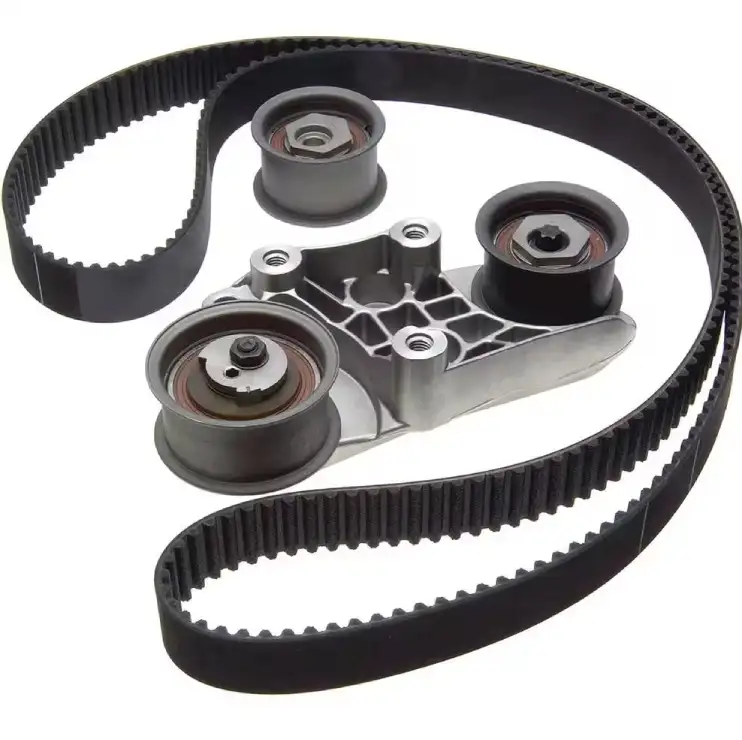
If your engine uses a timing belt, 100K miles is typically the last acceptable moment to replace it; a snapped belt on an interference engine can destroy valves and pistons.
When the timing belt is off, most technicians recommend replacing the water pump at the same time, since labour overlaps and the pump is a known wear item.
Serpentine/drive belts that run the alternator, A/C and power steering are usually due somewhere around 60K miles; if they’re original at 100K, they’re overdue.
Rubber coolant hoses, power‑steering hoses and especially fuel hoses harden, crack and can begin leaking; replacing suspect hoses and tightening clamps reduces the risk of overheating, loss of assist – or even fire.
4. Inspect suspension, steering, brakes and alignment
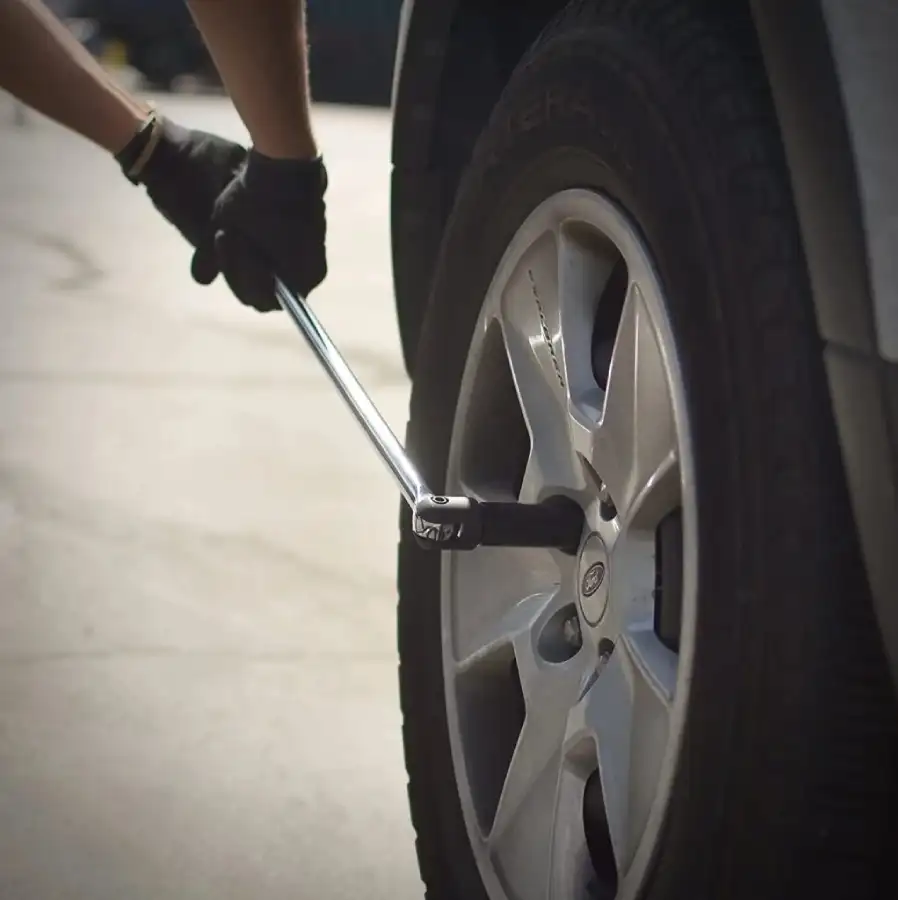
Shocks and struts can be weak or leaking by 100K, even if they aren’t obviously broken; symptoms include extra bouncing, nose‑dive under braking and longer stopping distances.
Steering and suspension joints (ball joints, tie‑rod ends, control‑arm bushings, bearings) should be inspected for play; worn parts hurt stability, steering precision and tire life.
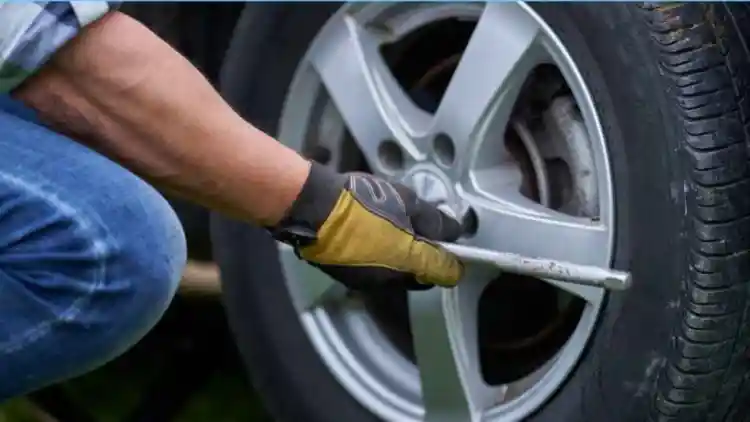
Uneven tire wear often points to suspension wear or a knocked‑out alignment; at 100K it’s wise to check both tire condition and wheel alignment, especially if you’ve hit potholes or curbs.
While you’re underneath, check brake pad thickness and rotor condition; catching thin pads or warped/rusted rotors early prevents reduced braking performance and more expensive repairs later.
5. Protect the body: wash, decontaminate and wax
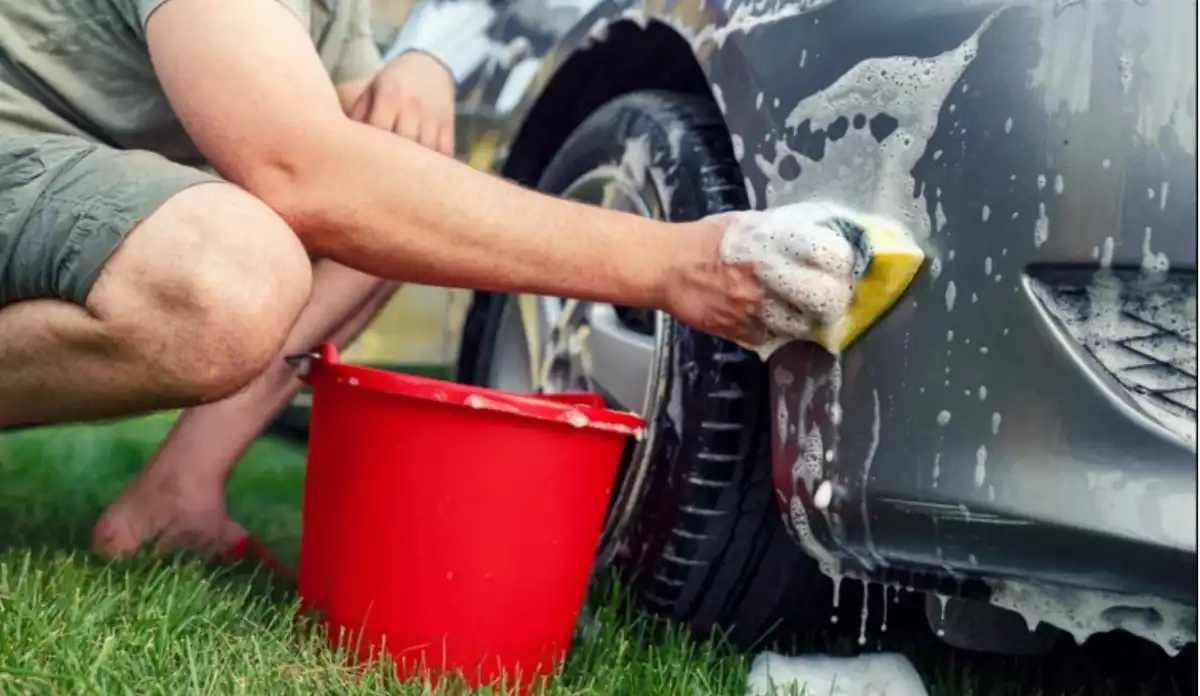
At 100,000 miles, the body and chassis are as important as the drivetrain; rust can end a car’s life even if the engine still runs well.
Regular washing removes dirt, mud and road salt that trap moisture and accelerate corrosion, especially on wheel arches, sills and underbody.
Applying a quality wax or sealant helps protect paint and metal, slowing rust formation and preserving the car’s appearance and resale value as you head toward the next owner—or the next 100K.
Small maintenance now, fewer big bills later
Plenty of people can tell stories about a car that ran 300,000 or 400,000 miles on little more than oil changes—but that’s the exception, not a strategy.
If you systematically refresh fluids, rubber parts, belts and suspension components around the 100K mark, you dramatically improve your chances of enjoying another long, dependable stretch instead of facing sudden, expensive failures.