
- Why Is Weekly Car Maintenance Important in Saudi Arabia?
- 1. Checking Tire Pressure and Condition
- 2. Engine Oil Level and Quality
- 3. Coolant (Radiator Fluid)
- 4. Battery and Electrical Connections
- 5. Other Essential Fluids
- Common Mistakes Made by New Drivers
- When Do You Actually Need a Workshop?
In a harsh climate such as Saudi Arabia, car maintenance is not a secondary option—it is a fundamental necessity to preserve performance, safety, and avoid unexpected breakdowns. With rising workshop and repair costs, having basic maintenance knowledge has become a powerful tool for drivers, especially beginners.
This editorial guide provides a practical and comprehensive look at the most important weekly checks any driver can perform easily, without complex tools or advanced technical expertise, helping extend vehicle lifespan and reduce unplanned visits to repair shops.

Why Is Weekly Car Maintenance Important in Saudi Arabia?
Saudi Arabia’s environmental conditions place additional stress on vehicle components, making regular inspection a decisive factor in preventing breakdowns.
Key influencing factors include:
Extremely high temperatures affecting fluids and batteries
Long-distance, high-speed driving that accelerates tire and brake wear
Dust and sand impacting filters and cooling systems
1. Checking Tire Pressure and Condition
Tires are the only point of contact between your car and the road. Any defect directly affects safety and fuel efficiency.
What to inspect weekly:
Air pressure according to the manufacturer’s recommendations
Visible cracks or bulges
Uneven tread wear
Item | Impact if Neglected |
Low pressure | Increased fuel consumption |
Uneven wear | Reduced stability and control |
2. Engine Oil Level and Quality
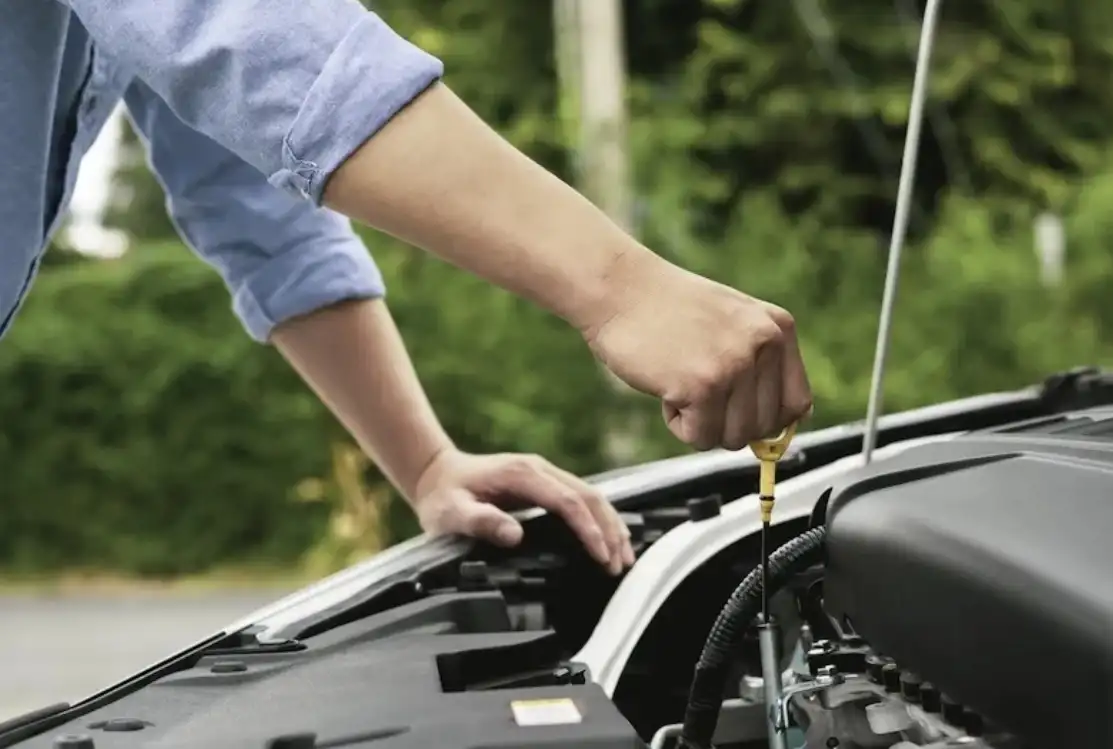
Engine oil is the lifeline of any vehicle, and Saudi Arabia’s high temperatures accelerate oil degradation.
Inspection tips:
Check oil level using the dipstick
Observe oil color (very dark oil is a warning sign)
Ensure there are no oil leaks under the vehicle
Oil Condition | Required Action |
Low level | Top up with the correct oil |
Contaminated | Immediate oil change |
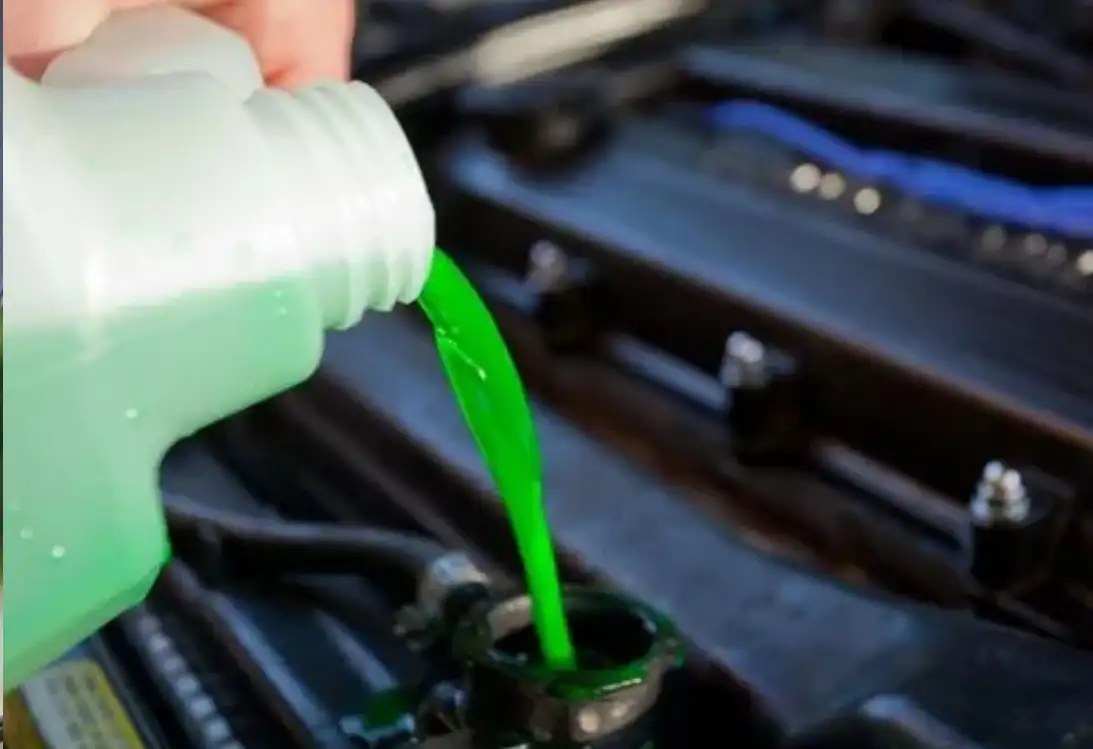
3. Coolant (Radiator Fluid)
The cooling system is critical to protecting the engine from overheating, especially during summer months.
What to monitor:
Coolant level in the reservoir
Fluid color (should appear clean)
Absence of leaks or burning smells
4. Battery and Electrical Connections
The battery is among the components most affected by extreme heat and is often the cause of sudden vehicle failure.
A quick check includes:
Ensuring terminals are firmly secured
Cleaning any visible corrosion
Noticing slow or difficult engine starts
Indicator | What It Suggests |
Slow starting | Weak battery |
Terminal corrosion | Reduced charging efficiency |
5. Other Essential Fluids
In addition to engine oil and coolant, several other fluids are equally important.
Weekly checklist:
Brake fluid
Transmission fluid (if accessible)
Windshield washer fluid
Common Mistakes Made by New Drivers
Ignoring warning lights on the dashboard
Relying solely on scheduled maintenance intervals
Using non-approved or incorrect fluids
When Do You Actually Need a Workshop?
Despite the importance of self-checks, professional workshops remain essential in certain cases, such as:
Unusual engine noises
Repeated engine overheating
Unexplained vibrations while driving
Weekly car maintenance is not an added burden on drivers—it is a simple investment in safety, peace of mind, and long-term cost savings. By committing to these essential checks, drivers in Saudi Arabia can significantly reduce unexpected breakdowns and enjoy a safer, more reliable driving experience.