
- Switch off accessories when not in use
- Do not leave the car sitting for long periods
- Avoid relying only on very short trips
- Protect the battery from heat and cold extremes
- Keep the battery clean and firmly secured
- Extending battery life with minimal effort
A car battery may look like a simple box hidden in the engine bay, but it is responsible for starting the engine and powering most of your vehicle’s modern electronics. A weak or suddenly failing battery can leave you stranded on the road or in a parking lot without warning, especially if you ignore early signs of trouble.
The typical lifespan of most lead‑acid batteries ranges between three and five years, while AGM batteries can last from four to seven years with proper use, but a driver’s daily habits largely determine whether the battery will reach the lower or upper end of that range.
This article presents five key practices that help you extend battery life, reduce the risk of unexpected failure, and protect your investment in the car with minimal effort.
Switch off accessories when not in use
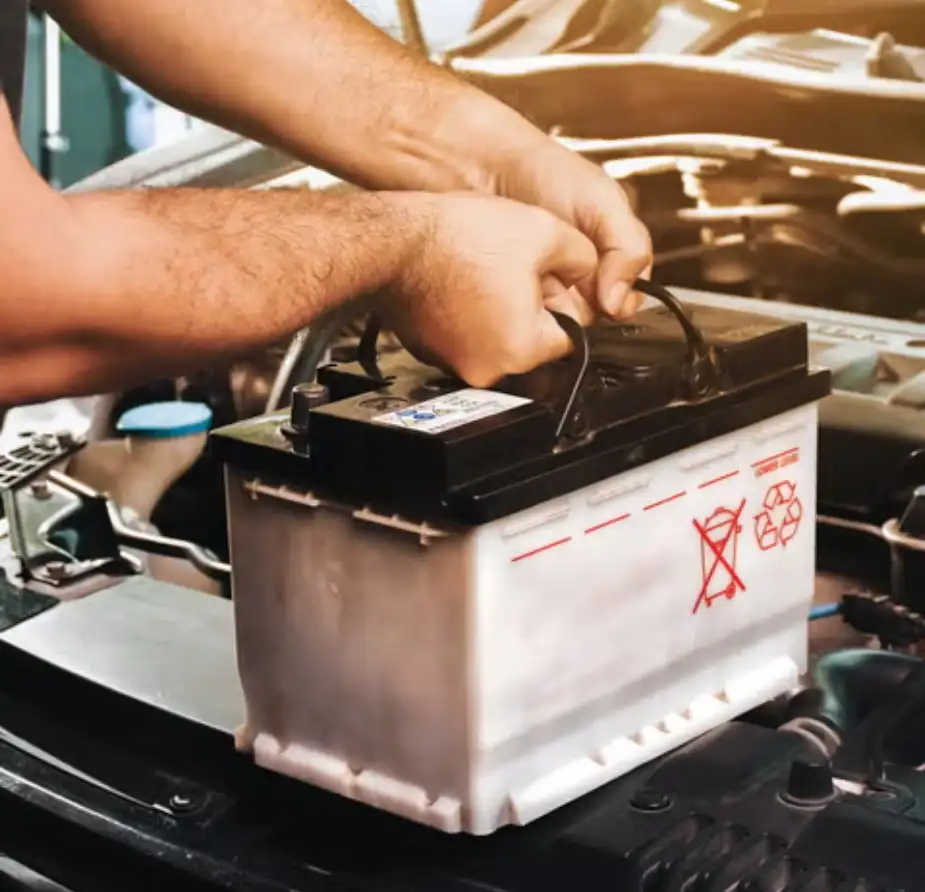
Avoid leaving interior or exterior lights on after the engine is turned off, as a single dome light can completely drain the battery overnight.
Devices such as dashcams, aftermarket audio systems, navigation units, cigarette‑lighter chargers and seat heaters can continue to draw current if they are not wired or configured correctly.
So‑called parasitic drain from aftermarket accessories that never fully shut down can cause repeated deep discharges and may cut battery life to around two years in some cases.
If you suspect abnormal power consumption, you can measure key‑off current draw with a multimeter; a reading higher than about 50 milliamps usually indicates that some circuit or device is quietly draining the battery.
Do not leave the car sitting for long periods
Batteries work more efficiently when used regularly; leaving a car parked and unused for two weeks or more can lead to a deep discharge that leaves the battery unable to crank the engine.
Repeated deep discharges are one of the main reasons batteries wear out prematurely, even if they are relatively new or of good quality.
It is recommended to drive the car at least once a week for no less than half an hour to give the charging system enough time to replenish the energy used and keep the battery in a healthy state of charge.
When storing a car for an extended period (travel, winter lay‑up, etc.), it is best to fully charge the battery beforehand, disable or disconnect any device that may draw power, and park the car in a relatively cool place; manufacturers such as Varta recommend storage around 60°F to reduce degradation.
Using a trickle or smart charger during storage is one of the best ways to keep the battery at an optimal charge level without overcharging it.
Avoid relying only on very short trips
Engines and batteries both “dislike” repeated short journeys, because starting the engine consumes a large amount of power in a few seconds, while the alternator often does not get enough time on short trips to fully recharge the battery.
Chronic under‑charging leads to the formation of sulfate crystals on the battery plates (sulfation), which reduces real usable capacity and shortens service life over time.
In cold weather this effect becomes worse, because engines require more energy to start while battery efficiency drops as temperatures fall.
Organisations such as AAA recommend minimising trips of less than about 10 miles whenever possible, or periodically compensating for them with longer highway drives that allow the battery to reach a near‑full state of charge.
If your daily driving pattern is mostly made up of short city hops, investing in a home battery maintainer and connecting it regularly can significantly help extend battery life.
Protect the battery from heat and cold extremes
.jpeg?x-oss-process=image/format,webp/interlace,1/quality,q_60/resize,w_1200)
Just as EV range drops in extreme weather, conventional car batteries are also affected by very hot and very cold conditions.
Data from sources such as Consumer Reports show that average battery life in the colder northern regions of the U.S. reaches about 58 months, compared with roughly 41 months in the hotter southern regions, highlighting how high temperatures accelerate degradation.
Higher temperatures speed up chemical reactions inside the battery, which accelerates wear of the internal plates and increases the risk of corrosion, evaporation and charge loss.
By contrast, very low temperatures increase the viscosity of the electrolyte, reducing the battery’s ability to deliver high cranking current just when a cold engine needs more energy to start.
To mitigate these effects in hot climates, it is advisable to park under shade, in covered parking or in a garage to limit the engine bay’s exposure to direct sun.
In cold weather, parking in a garage or at least in a spot sheltered from direct wind can help keep temperatures around the battery from dropping too far.
For drivers living in regions with harsh climates, choosing an AGM battery can be a sensible investment, as this technology tolerates heat and cold better than conventional flooded lead‑acid batteries.
Keep the battery clean and firmly secured
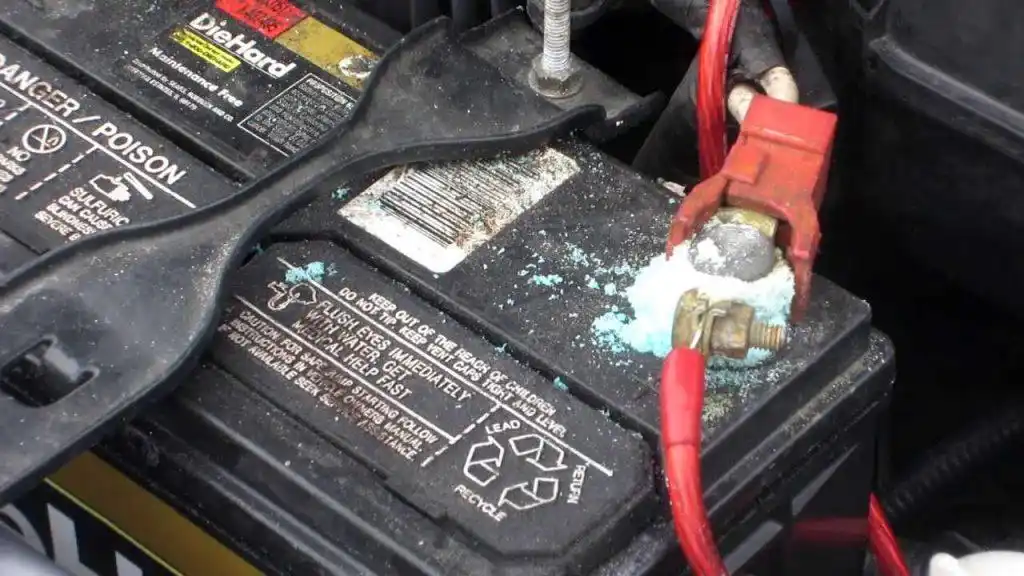
Dirt or oily residue on top of the battery can create minor leakage paths or increase the likelihood of corrosion around the terminals, and acidic vapours from lead‑acid batteries can also contribute to corrosion on cables and connectors.
Corrosion at the terminals increases electrical resistance and forces the starter to draw higher current to crank the engine, making starting more difficult and increasing stress on the battery each time.
If you notice white, green or bluish buildup around the posts, it should be cleaned using an appropriate brush and a mixture of water and baking soda, then rinsed, dried and coated lightly with grease or a dedicated terminal‑protection product.
Heavy buildup in winter makes the impact of corrosion even more noticeable, as the battery’s ability to deliver sufficient current drops, which shows up as dim lights and sluggish starter response.
Besides cleaning, you must ensure that the battery is securely clamped in its tray, because constant vibration can damage internal plates or cause shorts, especially on rough roads or with aggressive driving.
Once a battery is more than three years old, it is advisable to have it tested annually at a reputable service centre or according to the owner’s manual, because preventive checks are always cheaper and simpler than dealing with a total roadside failure.
Extending battery life with minimal effort
By consistently switching off unnecessary electrical accessories and using the car regularly instead of leaving it parked for long stretches, you give the battery a healthier duty cycle and avoid the deep discharges that do the most damage.
Reducing reliance on short trips alone, and shielding the car as much as possible from extreme heat and cold, helps keep the battery operating close to its original performance for a longer period.
Routine cleaning of the terminals, ensuring the battery is firmly mounted, and testing it once it passes the three‑year mark are simple steps that make a big difference in cutting down on unexpected failures and premature replacements.
With these five core habits, the battery shifts from being a frequent source of unpleasant surprises to a reliable component that quietly does its job for years.