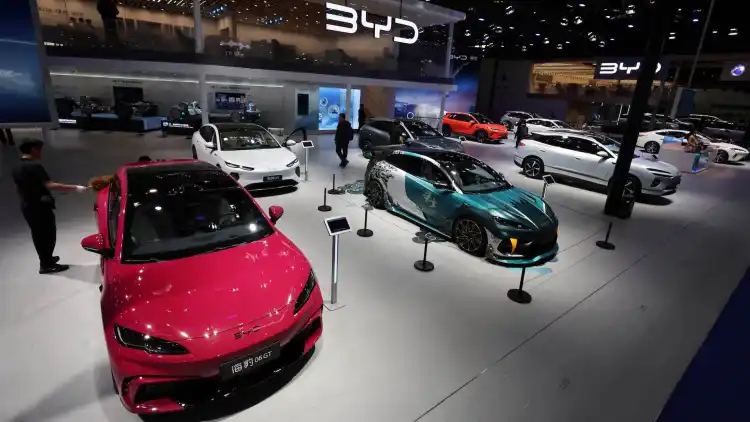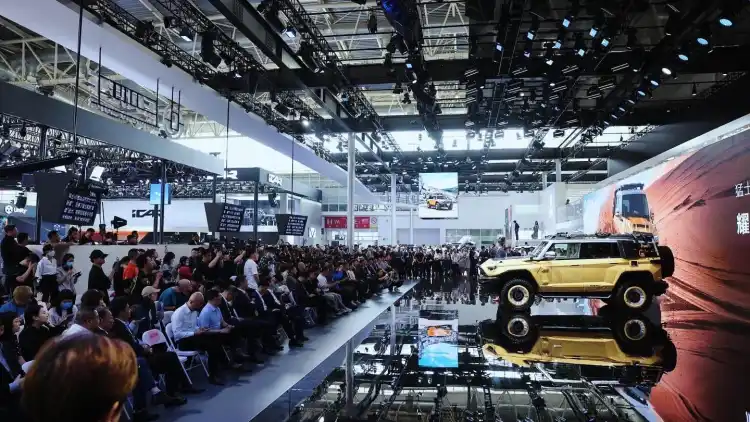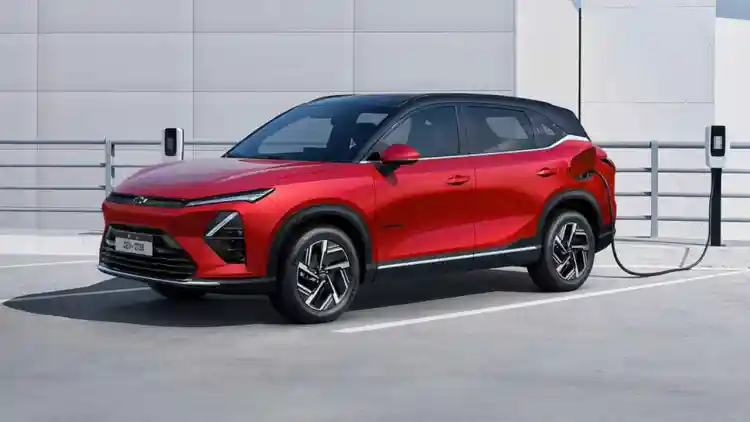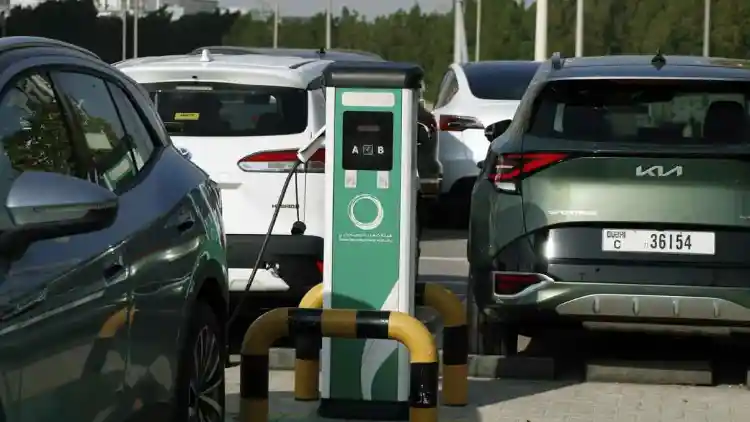

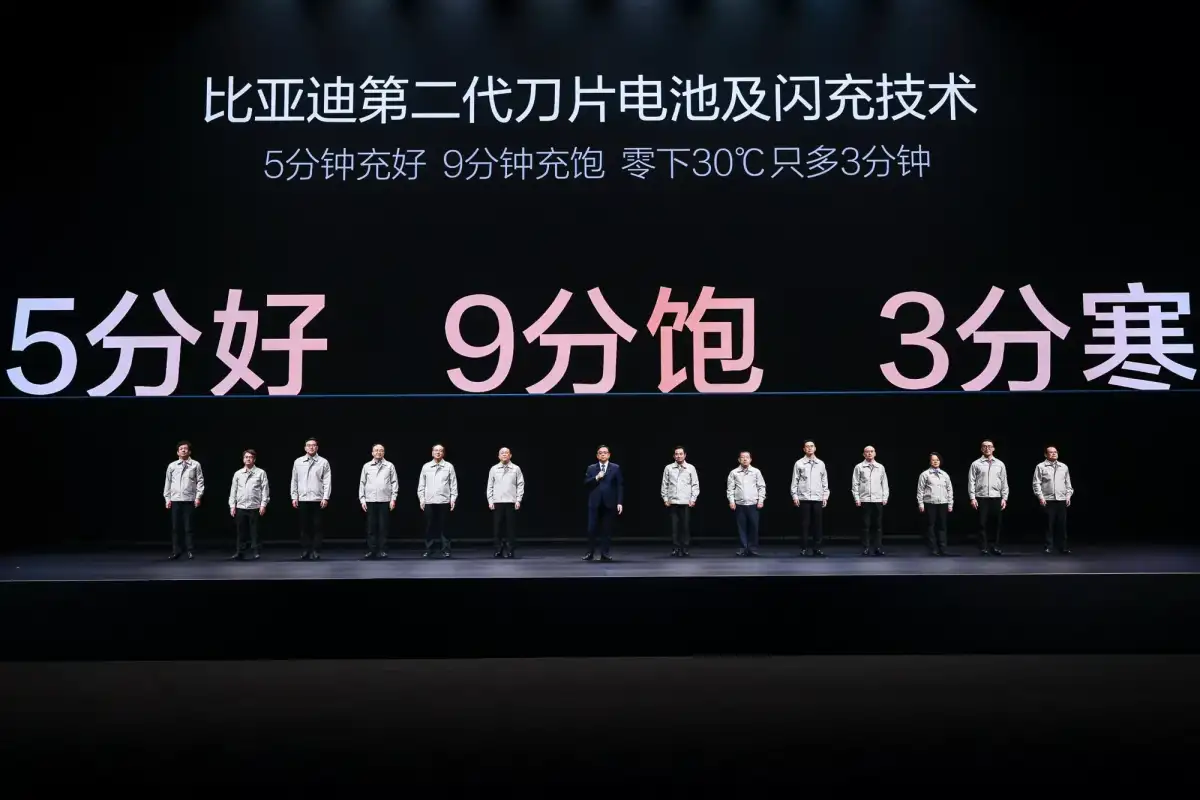
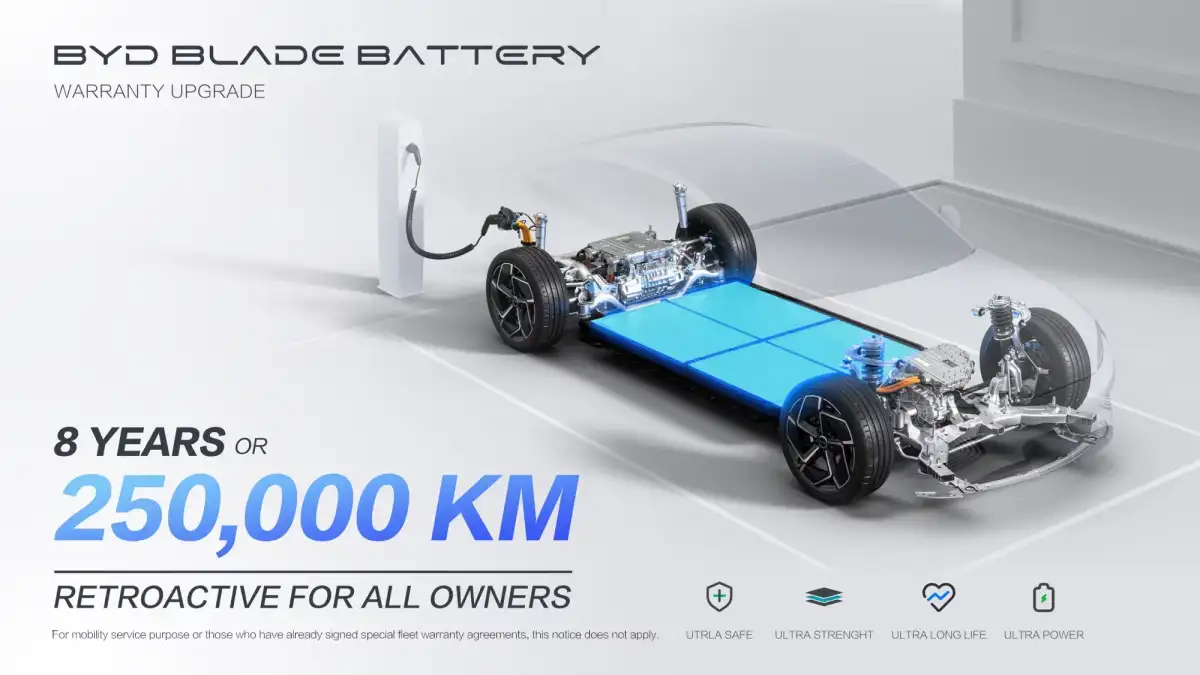
On March 5, BYDEgypt BYDUAE BYDKSA BYDBahrain BYDKuwait BYDOman BYDQatar BYD officially unveiled its second-generation Blade Battery and ultra-fast charging technology. According to the company, the new system enables vehicles to charge from 10% to 70% in just five minutes and from 10% to 97% in nine minutes. Even in extreme cold conditions of –20°C, charging from 20% to 97% can be completed in approximately 12 minutes.
Charging efficiency has long been considered one of the key barriers to wider electric vehicle adoption. While EV driving range has significantly improved over the past decade, charging time remains a critical factor influencing consumer confidence.
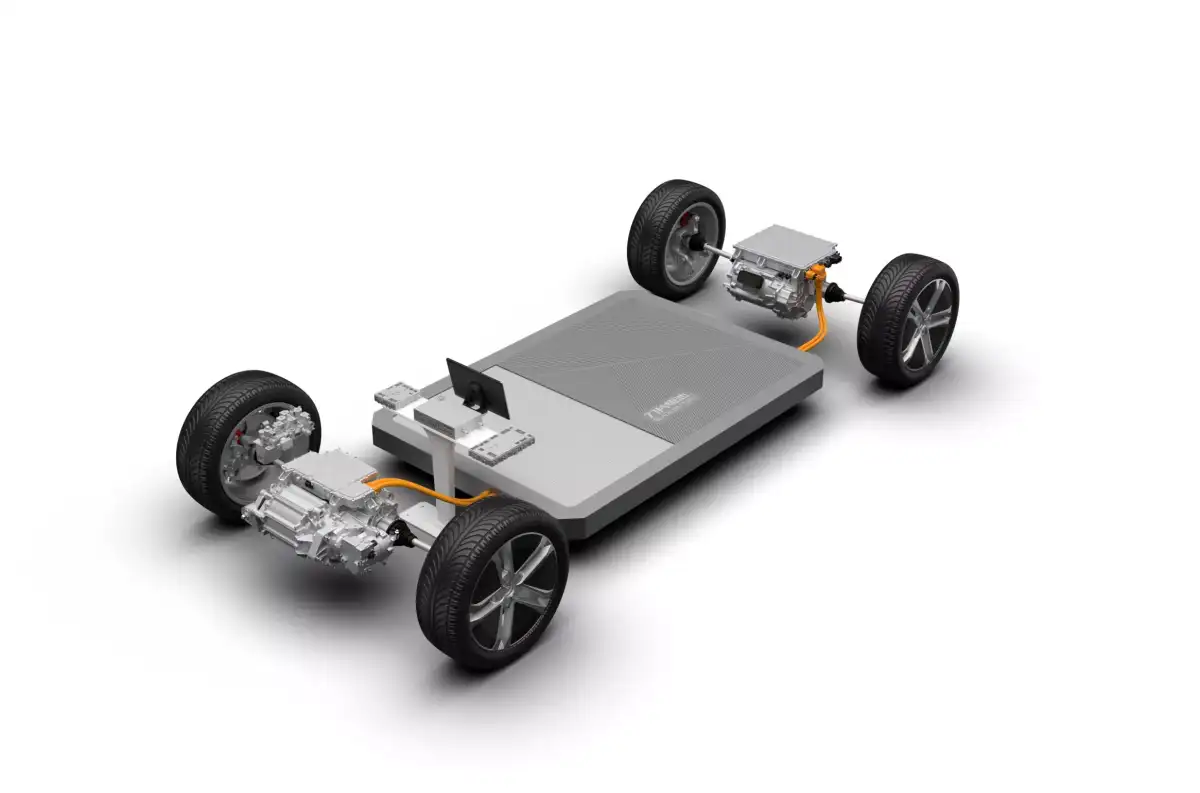
BYD’s latest technological upgrade aims to directly address this challenge.
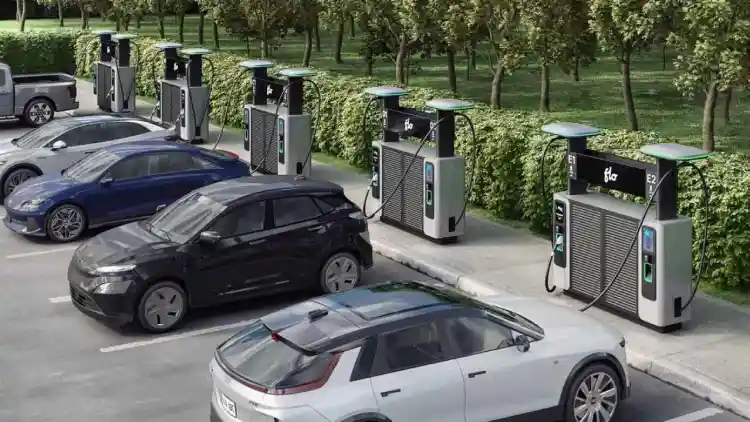
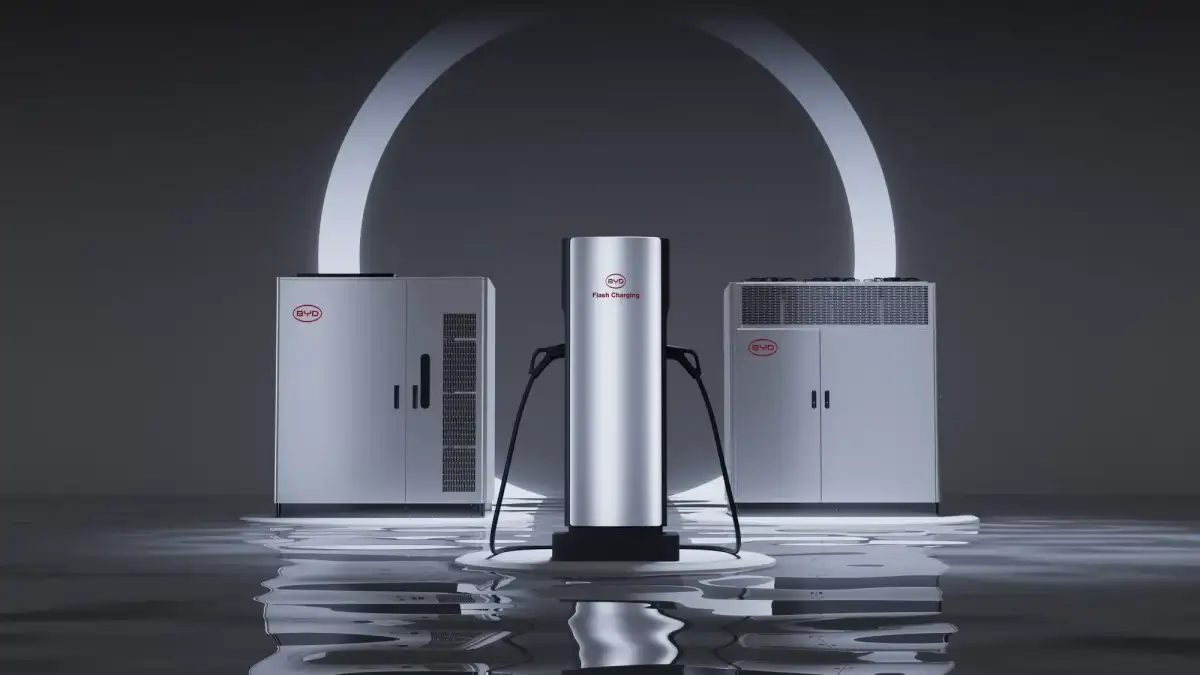
To support such charging speeds, the company also introduced a 1500 kW ultra-fast charging station, currently one of the highest-power charging solutions designed for mass production.
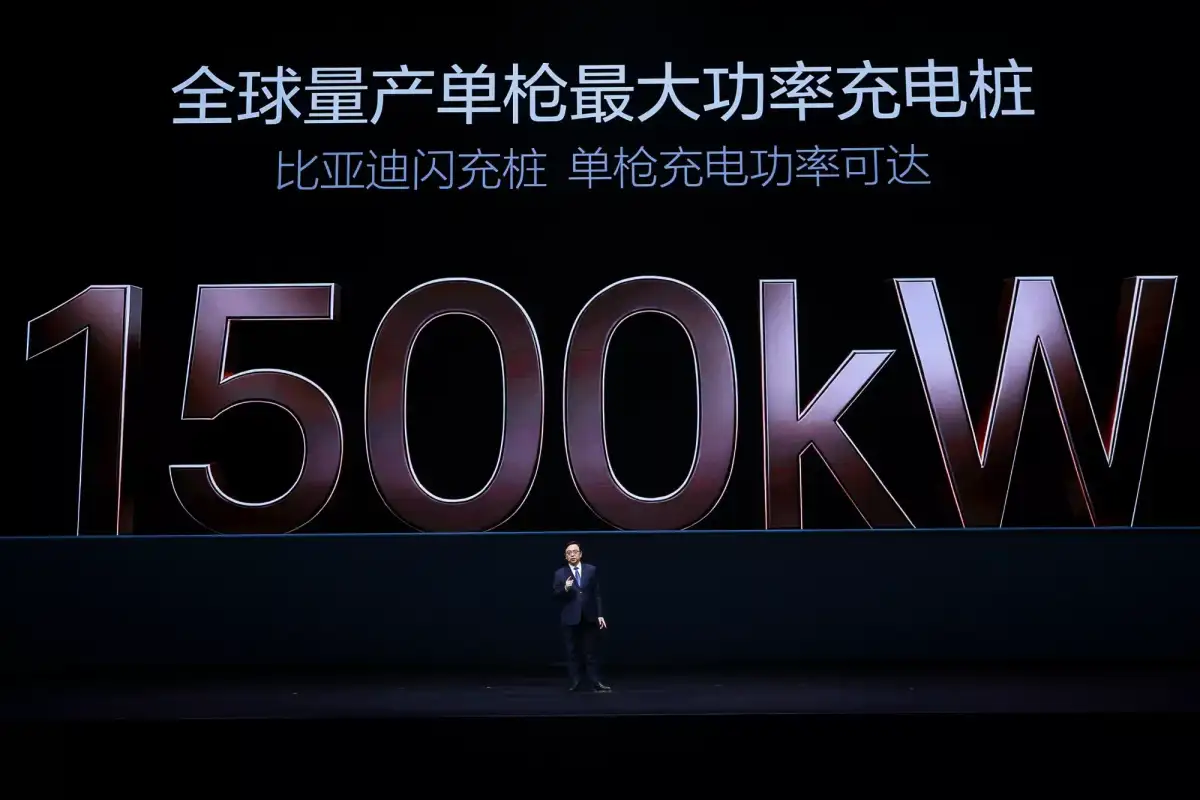
At the same time, BYD announced a national infrastructure initiative called “Flash Charging China”, aiming to build 20,000 ultra-fast charging stations by the end of 2026. So far, the company has already completed 4,239 charging stations across China.
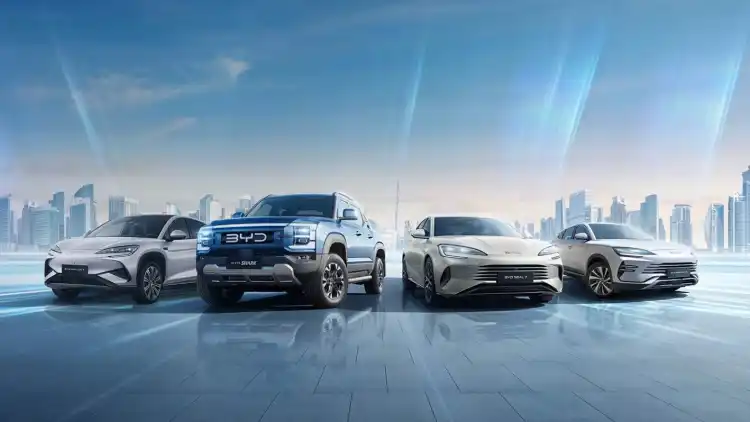
BYD Chairman Wang Chuanfu emphasized during the launch that the technology is not a conceptual demonstration, but has already been implemented across more than ten production models, including the BYD SealBahrain BYD SealEgypt BYD SealKSA BYD SealKuwait BYD SealOman BYD SealQatar BYD SealUAE BYD Seal 07 EV and YangwangBahrain YangwangEgypt YangwangKSA YangwangKuwait YangwangOman YangwangQatar YangwangUAE Yangwang U7.
From an industry perspective, the significance of this breakthrough goes beyond charging speed itself. It represents a potential shift in the fundamental energy replenishment model for electric vehicles.
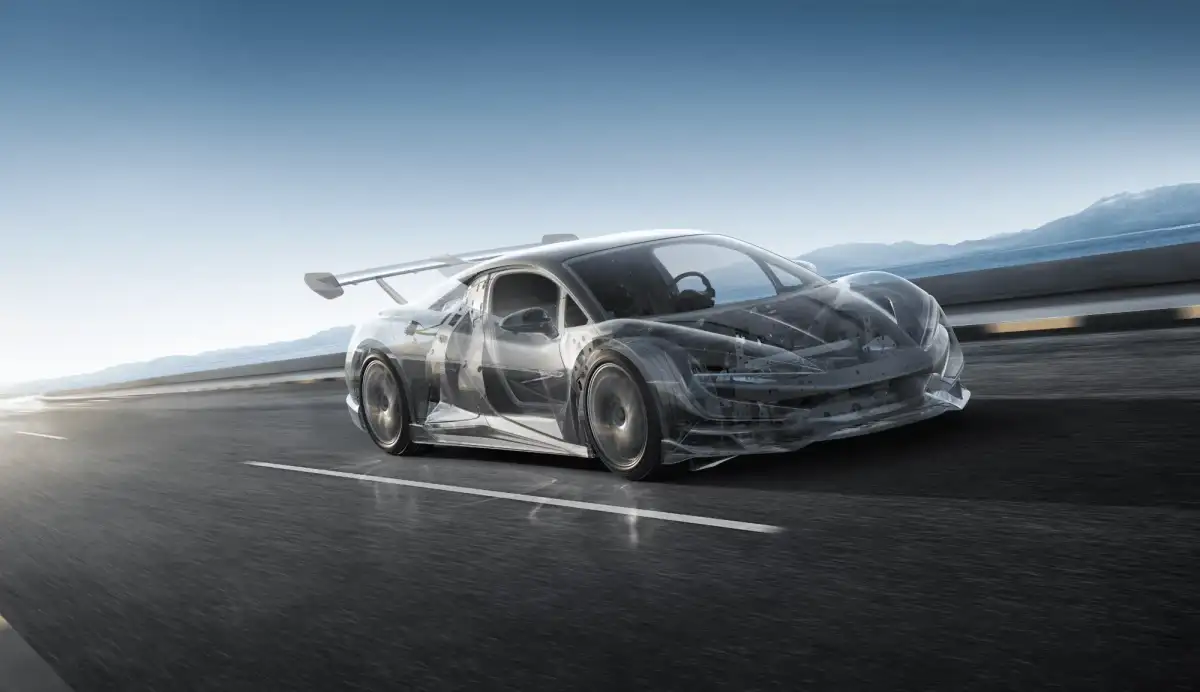
If EVs can complete most of their charging within five to ten minutes, the user experience could become increasingly comparable to refueling a traditional gasoline vehicle.
This shift could be particularly relevant for the Middle East automotive market.
Long-distance driving between cities, extensive highway usage, and extreme climate conditions have historically slowed EV adoption in the region. However, improvements in charging technology and infrastructure may gradually reshape this landscape.
As Chinese automotive brands accelerate their global expansion—from BYD, GeelyUAE GeelyKSA GeelyKuwait GeelyQatar GeelyOman GeelyBahrain GeelyEgypt Geely, MGUAE MGKSA MGOman MGQatar MGBahrain MGEgypt MGKuwait MG, CheryKSA CheryKuwait CheryQatar CheryBahrain CheryUAE CheryOman CheryEgypt Chery, and HavalKSA HavalEgypt HavalBahrain HavalKuwait HavalOman HavalQatar HavalUAE Haval to emerging EV players such as NIO and Zeekr—China’s automotive industry is increasingly competing on technology-driven innovation in the global EV race.
If ultra-fast charging technologies and infrastructure systems like BYD’s eventually expand into overseas markets, EV adoption in the Middle East and beyond could accelerate significantly.
In many ways, this is not just an advancement in battery technology—it represents the beginning of a new competition around global EV infrastructure and energy ecosystems.
As the electric vehicle industry moves into its next phase, technology leadership, charging networks, and industrial ecosystems will likely define the future competitive landscape. 🚗⚡