
- 1. Is It Allowed to Import a Used Electric Vehicle?
- 2. Government Authorities Involved in the Import Process
- 3. Key Requirements for Importing a Used EV
- 4. Battery and Charging Specifications
- 5. Customs Duties and Taxes
- 6. Required Documents for Import
- 7. Steps for Importing a Used EV into Saudi Arabia
- 8. Common Risks and Pitfalls
- 9. Advantages and Disadvantages of Importing a Used EV
- Advantages:
- Disadvantages:
- 10. Expert Tips Before You Import
As Saudi Arabia speeds up its transition toward sustainable mobility under Vision 2030, electric vehicles (EVs) are no longer a futuristic concept — they have become an increasingly present reality across the Kingdom’s roads and markets. While dealerships and regional brands continue to expand their selection of new EV models, many buyers still consider importing a used electric vehicle from abroad to take advantage of lower prices, special features, or models not yet available locally.
However, the process of importing a used electric car into Saudi Arabia is not spontaneous or simple. It’s governed by strict technical regulations from the Saudi Standards, Metrology and Quality Organization (SASO), and detailed customs and tax requirements from the Zakat, Tax, and Customs Authority (ZATCA), alongside crucial safety considerations regarding battery quality and charger compatibility with Saudi infrastructure.
This article offers a complete guide that maps out the steps, fees, and legal conditions for importing a used EV into Saudi Arabia — helping consumers avoid costly rejections, hidden charges, and regulatory setbacks.

1. Is It Allowed to Import a Used Electric Vehicle?
Saudi Arabia allows the import of used electric cars, provided they meet age and technical eligibility rules.
The vehicle’s model year must not exceed five years from its manufacturing date at the time of import, applying to passenger cars, SUVs, and pickups under 3.5 tons.
Vehicles older than the age limit are automatically rejected at port entry, regardless of condition.
Exceptions apply only to special display or collector vehicles, which require multiple pre-approvals and cannot be registered for daily public use.
2. Government Authorities Involved in the Import Process
Zakat, Tax, and Customs Authority (ZATCA): Handles customs clearance, VAT application, and age/mileage eligibility verification before allowing the vehicle’s entry.
Saudi Standards, Metrology and Quality Organization (SASO): Reviews compliance with electric vehicle regulations, including safety systems, battery integrity, and charging standards.
Traffic Department (Muroor): Manages post-clearance registration, including technical inspections, insurance verification, and license plate issuance.

3. Key Requirements for Importing a Used EV
The vehicle must fall within the allowed five-year age limit.
It must comply with SASO’s electric vehicle regulations on safety, performance, and charging system design.
A SABER or SASO conformity certificate must be obtained before shipping — this is mandatory for customs clearance and registration within Saudi Arabia.
4. Battery and Charging Specifications
EV batteries must be certified under UN38.3 for safe transport and operation under Saudi climatic conditions.
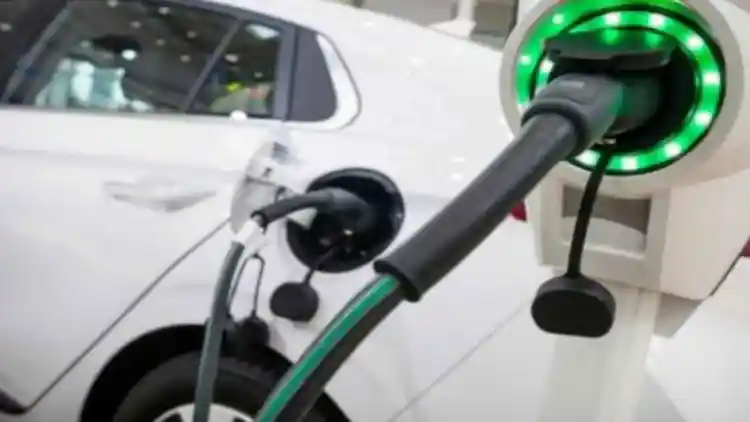
The charging system (plug, cable, and onboard charger) must comply with local Type 2 or CCS connector standards used in Saudi Arabia.
Vehicles that do not match local standards may require technical modifications before being approved for road use.
Shipping agents may request extra battery safety documentation before shipping due to shipping line regulations.
5. Customs Duties and Taxes
Saudi Customs applies a 5% customs duty on the vehicle’s assessed value, plus 15% VAT on the total (vehicle cost + customs).
In practice, this means total tax and customs costs can reach about 20% of the import value.
Some tax exemptions or reductions may be announced for EVs under sustainability initiatives — always check recent updates before completing the purchase.
6. Required Documents for Import
A valid national ID, Iqama, or passport under the importer’s name.
Proof of ownership (original title or sales contract) showing the VIN number.
A SASO or Gulf Conformity Certificate, and a certificate of origin.
Shipping declaration specifying that the car is electric and that the battery complies with international transport requirements.
7. Steps for Importing a Used EV into Saudi Arabia
Pre-eligibility check: Confirm model age, battery condition, and vehicle documentation before purchase.
Hire an experienced shipping company: Choose one familiar with EV transport and the documentation needed for lithium batteries.
Customs clearance upon arrival: Complete ZATCA’s digital clearance process and pay applicable duties and taxes.
Technical inspection and registration: Conduct the SASO verification and register the car with the Saudi Traffic Department to receive official plates.
8. Common Risks and Pitfalls
Age limit violations: Importing a car older than five years results in automatic denial.
Battery deterioration: Hidden battery damage can reduce storage capacity and lead to rejection.
Unexpected extra costs: Ignoring service fees, certification expenses, and inspection costs can make imported cars more expensive than buying locally.
9. Advantages and Disadvantages of Importing a Used EV
Advantages:
Access to EV models unavailable in local showrooms.
Possible cost advantage, especially from markets like China, the EU, or the US.
Freedom to select specific trims or long-range battery configurations.
Disadvantages:
Difficult to verify true battery condition or charging capacity before import.
Possible incompatibility with local chargers or upcoming infrastructure.
Longer processing time with unpredictable shipping and certification costs.
10. Expert Tips Before You Import
Always cross-check ZATCA and SASO regulations for current updates and temporary exemptions.
Request a battery health report (State of Health or SOH) and full service record before purchase.
Compare the total import cost (car price + shipping + customs + VAT + inspection) with local EVs already registered in Saudi showrooms.
Importing a used electric car into Saudi Arabia can be an appealing alternative for drivers seeking sustainable mobility or rare international models, provided they approach the process with preparation and awareness. Adhering to the country’s technical standards, confirming battery quality, and calculating real costs can transform a complicated process into a smart investment instead of a financial burden.
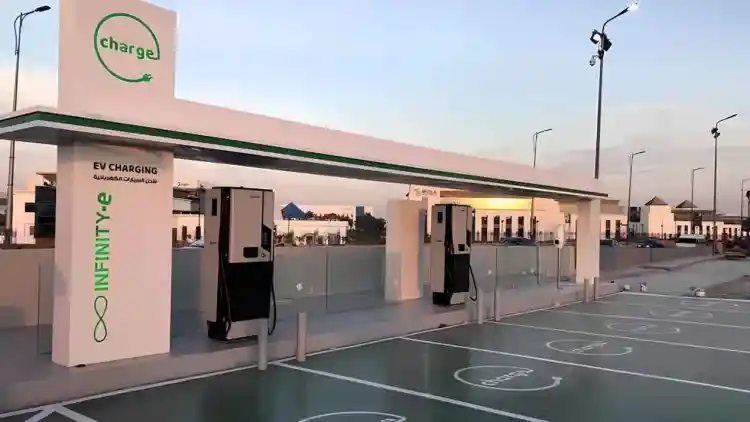
As Saudi Arabia’s EV charging infrastructure expands rapidly — through public and private partnerships working to deploy thousands of fast-charging stations nationwide — conditions are becoming more favorable for imported EVs to operate efficiently and safely. With official backing from Vision 2030 and rising interest from global automakers, the Kingdom is poised to witness a major increase in electric vehicle adoption — both new and used, imported from around the world.