
- Why Electric Cars Matter Now In Saudi Arabia
- Charging Infrastructure: Where And How You Charge
- Home Charging Versus Public Charging
- Incentives, Regulations, And Import Rules
- Running Costs: Electricity Versus Fuel And Maintenance
- Everyday Usability In Saudi Conditions
- What To Consider When Choosing An EV In Saudi Arabia
- Pros And Current Limitations Of EV Ownership In Saudi Arabia
As the global shift toward electrified mobility accelerates, electric vehicles are becoming an increasingly attractive and realistic option for drivers in Saudi Arabia, especially with the rapid expansion of charging infrastructure and strong support under Vision 2030 for a greener transport sector. The decision to own an electric car is no longer driven solely by environmental concerns; it is increasingly linked to running costs, charging convenience, and the smooth, quiet driving experience these modern vehicles provide.
This guide focuses on the key practical, financial, and technical aspects that drivers in the Kingdom need to understand before switching from a traditional internal‑combustion engine to electric power. It takes into account the specific realities of the Saudi market, from city commuting in Riyadh, Jeddah, and Dammam to long‑distance trips across the country’s highways, helping you evaluate whether an EV fits your daily life.
Why Electric Cars Matter Now In Saudi Arabia
Electric cars are no longer a niche curiosity in Saudi Arabia; they are becoming a serious part of the market conversation. National targets under Vision 2030 include transforming a significant share of the vehicle fleet in major cities into zero‑emissions models, with some plans aiming for around 30 percent of vehicles in Riyadh to be electric by 2030. At the same time, market reports show EV sales in the Kingdom growing rapidly, with volumes multiplying several times over in just a few years as awareness and model availability increase.
This growth is being driven by several forces working together. On one side, government initiatives are pushing for lower emissions, new manufacturing industries, and technology transfer, including partnerships with global EV brands and the creation of local manufacturers like Ceer. On the other side, consumers are becoming more open to trying electric cars as they learn about lower operating costs, smoother performance, and the long‑term benefits of owning a car with fewer moving parts and less maintenance.
Charging Infrastructure: Where And How You Charge
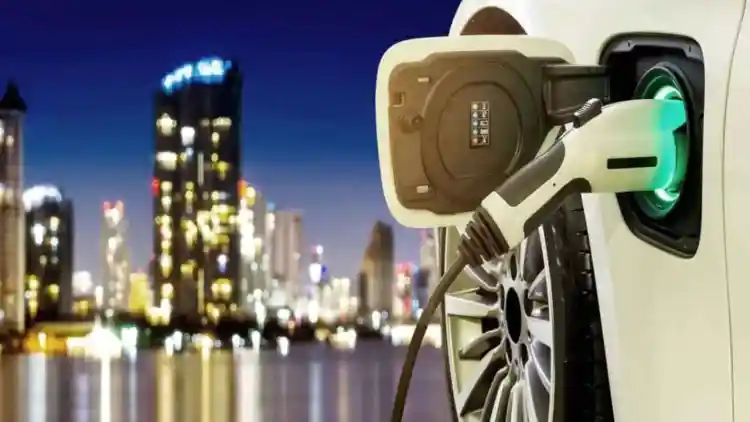
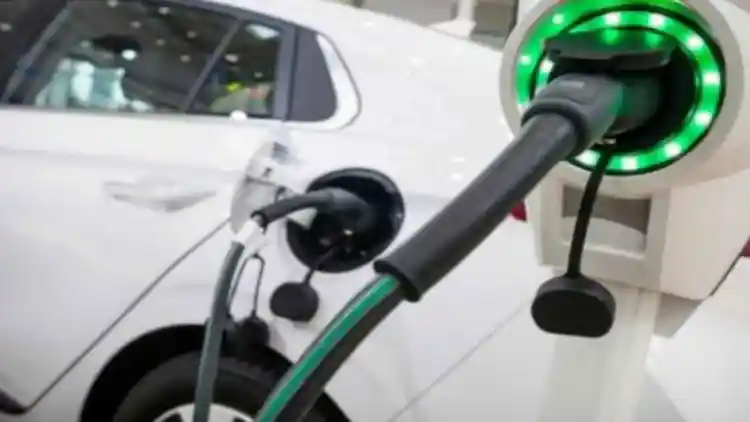
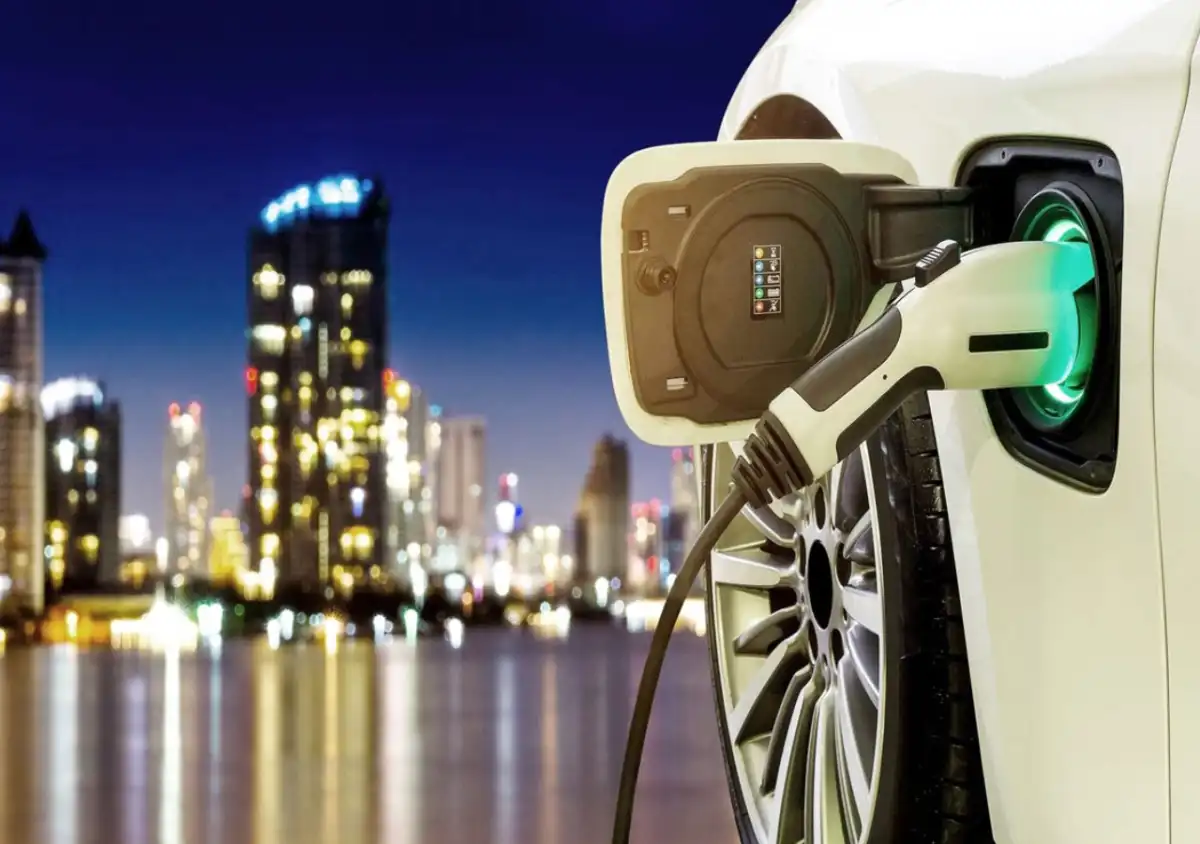
One of the first questions any potential EV owner asks is, “Where will I charge?” In Saudi Arabia, the answer is a mix of home charging and a rapidly developing public network. For many owners, home charging will be the main solution. Drivers with dedicated parking in villas or residential buildings can install AC wall chargers, plugging in at night and waking up to a full battery, which covers most daily driving needs in major cities.
In parallel, the public charging network is expanding. A national company, supported by major state entities, is rolling out a large‑scale charging program that aims to install thousands of chargers across hundreds of locations by 2030, combining fast DC chargers on highways with slower AC chargers in city destinations like malls, business districts, and mixed‑use developments. By the end of 2025, dozens of branded charging sites are expected to be active in Riyadh, Jeddah, and the Eastern Province, with growing coverage along key intercity corridors to support longer trips.
Home Charging Versus Public Charging
For most owners, home charging will be the backbone of their EV experience. Plugging in overnight during off‑peak hours is often cheaper than filling up a fuel tank and allows drivers to start each morning with enough range for their daily routines. This setup also reduces dependency on public chargers – they become a backup rather than a necessity, used mainly on long journeys or when driving patterns change unexpectedly.
Public charging, however, plays a critical supporting role. Fast DC chargers placed strategically on highways and at major city hubs can provide 20–80 percent top‑ups in 20–40 minutes for many modern EVs, making long‑distance travel realistic when combined with a bit of route planning. Destination chargers at workplaces, hotels, and shopping centers add flexibility, letting drivers recover range while they go about their usual activities instead of waiting around purely to charge.
Incentives, Regulations, And Import Rules
Saudi Arabia has introduced a regulatory framework specifically for electric vehicles, covering technical standards for vehicles, plugs, and chargers to ensure safety and compatibility across the market. These rules apply to both locally manufactured and imported EVs, setting clear requirements for charging connectors, electrical safety, and vehicle performance, and helping to reduce the risk of incompatible or unsafe products entering the country.
On the policy side, the government has been using a mix of investment incentives and consumer‑facing measures to speed up adoption. Support includes favorable treatment for EV manufacturing projects, such as major investments in new local plants and partnerships with international brands, and in some cases reduced fees or tax benefits for electric vehicles compared with traditional models. There are also rules governing the age and compliance of imported used EVs, which buyers need to understand before attempting to bring a car into the country on their own.
Running Costs: Electricity Versus Fuel And Maintenance
One of the strongest arguments in favor of EV ownership is lower running costs. Even in a country where fuel is relatively affordable, electricity for home charging often works out cheaper per kilometer than gasoline or diesel, especially if the owner takes advantage of off‑peak tariffs and future EV‑specific pricing schemes where available. In urban use, where stop‑and‑go traffic dominates, electric motors are particularly efficient, and regenerative braking helps recapture energy that would otherwise be lost as heat.
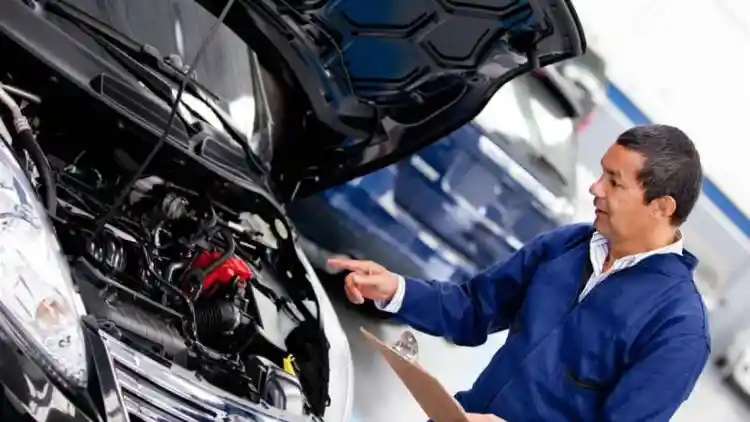
Maintenance costs are also generally lower. Electric cars do not require engine oil changes, spark plugs, fuel filters, or traditional automatic transmissions with complex internals. Brake wear is often reduced because regenerative braking handles much of the deceleration, especially in city driving. While EVs still need regular checks for tires, suspension, cabin filters, and coolant for battery systems, the overall number of mechanical parts that can wear out or fail is much smaller than in a conventional vehicle.
Everyday Usability In Saudi Conditions
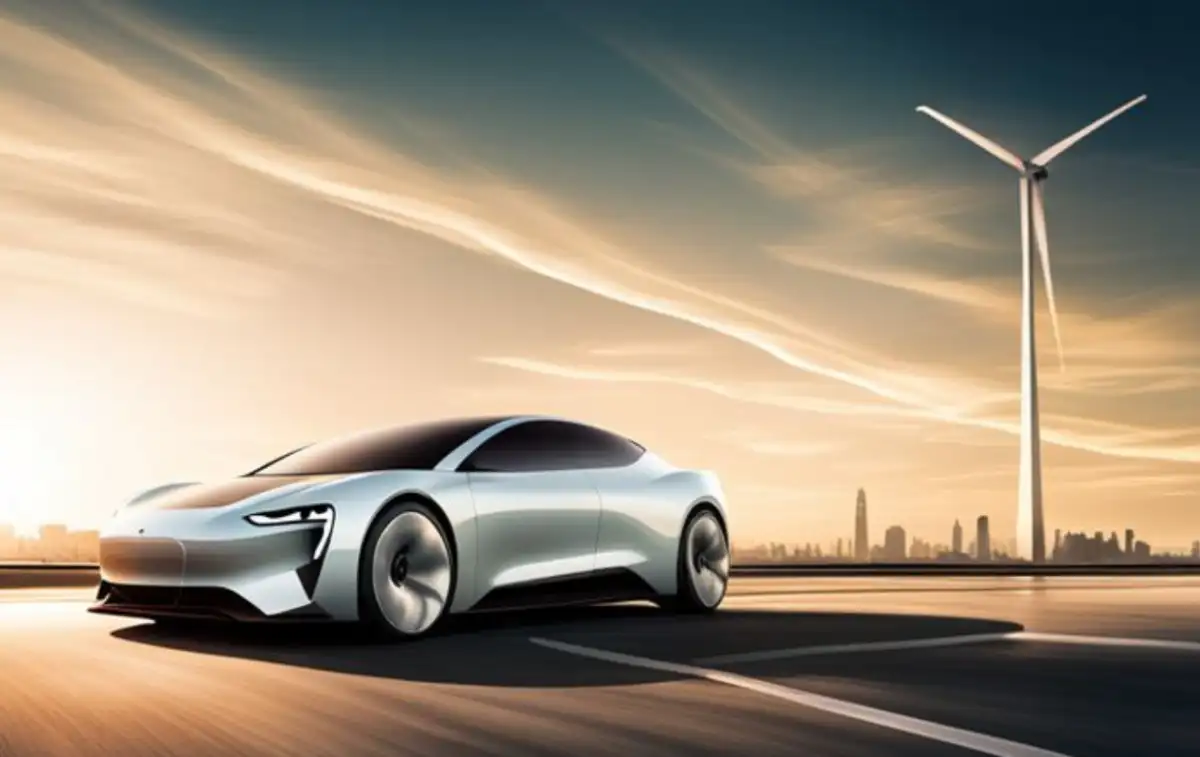
Saudi Arabia’s climate and road network present both opportunities and challenges for EVs. On the plus side, EVs handle urban environments very well: instant torque makes merging and overtaking easy, while the quiet cabin and smooth power delivery reduce fatigue during heavy city traffic. Many modern EVs also come with advanced driver‑assistance systems, connected services, and smart navigation that can factor charging stops into route planning.
Heat, however, can affect both range and charging speeds. High ambient temperatures increase the load on air‑conditioning systems and can require more active battery thermal management, which consumes extra energy. Manufacturers are increasingly tuning battery cooling and cabin systems for hot‑weather markets, but drivers still need to account for some range reduction in the harshest summer months and plan trips accordingly. Choosing a model with a robust cooling system and a realistic rated range is particularly important in the Kingdom.
What To Consider When Choosing An EV In Saudi Arabia
Selecting the right EV starts with understanding your own driving profile. Drivers who mostly commute within a single city and have access to home or workplace charging can prioritize comfort, efficiency, and features over maximum possible range. Those who frequently travel between cities will need a larger battery, faster DC charging capability, and good compatibility with the growing public charging networks.
Key factors to compare include the real‑world range at highway speeds, peak DC charging power, battery warranty length, and service coverage in your region. Many manufacturers now offer battery warranties of eight years or more, often with a mileage cap and a minimum state‑of‑health guarantee. Buyers should also confirm that the car uses the same charging standard as the majority of chargers in Saudi Arabia (for example, CCS2), and that apps or in‑car systems can easily locate and activate local charging stations.
Pros And Current Limitations Of EV Ownership In Saudi Arabia
Limited coverage in remote areas and full highway networks still in progress. |
Consumer‑level incentives and rules still evolving and not always uniform. |
Ultimately, owning an electric car in Saudi Arabia can be a smart move that blends long‑term savings with a modern, refined driving experience, provided you choose a model that suits your routes and charging options. With charging infrastructure expanding, regulations maturing, and more models entering the market, EVs are shifting from an experiment to a realistic daily‑driver choice for many households across the Kingdom.