
- Types of Gasoline in Saudi Arabia: What Should You Know?
- Red vs Green Gasoline: Which One Suits Your Car?
- Does Mixing Gasoline Types Affect Your Car?
- Expert Recommendations
When a driver approaches the fuel pump, the choice between green and red gasoline often raises questions. This decision does not just affect how the car performs, but it also has a direct impact on engine life and maintenance costs. In Saudi Arabia, understanding the differences between fuel types and picking the right one for your car’s needs and driving habits is essential.
Types of Gasoline in Saudi Arabia: What Should You Know?
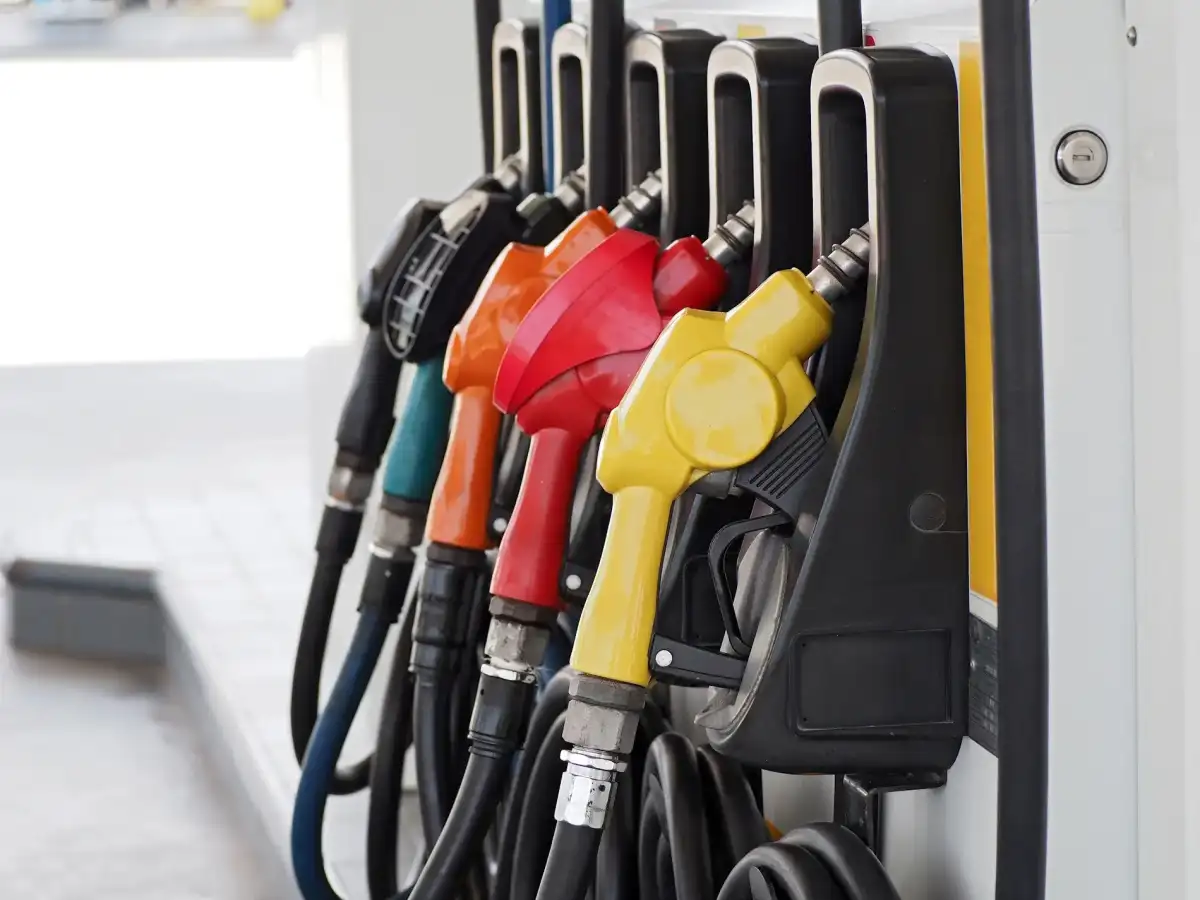
Fuel stations in Saudi Arabia offer two main types of gasoline, each with its own set of characteristics to suit different engines. After years of only offering 95 octane fuel, Aramco introduced 91 octane fuel to meet the growing variety of vehicles in the Kingdom, giving drivers more freedom to choose the fuel that fits their cars best.
Here are the key specifications of each type:
Green Gasoline (91 Octane):
Octane rating: 91
Target segment: Modern cars with standard or mid performance engines
Price: Around 1.90 SAR per liter
Ideal for family and economy vehicles
Ensures efficient fuel consumption and lower operating costs
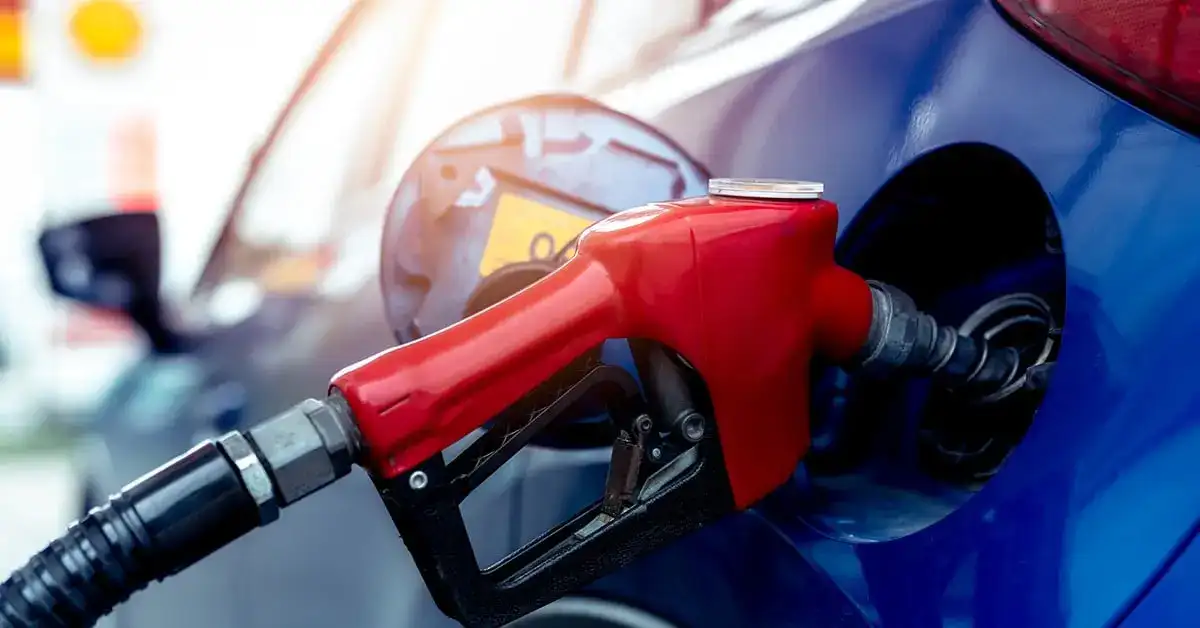
Red Gasoline (95 Octane):
Octane rating: 95
Target segment: High performance vehicles or cars with high compression or turbocharged engines
Price: Around 2.04 SAR per liter
Delivers enhanced performance for sports and luxury cars
Increases engine durability and reduces the risk of pre ignition
Red vs Green Gasoline: Which One Suits Your Car?
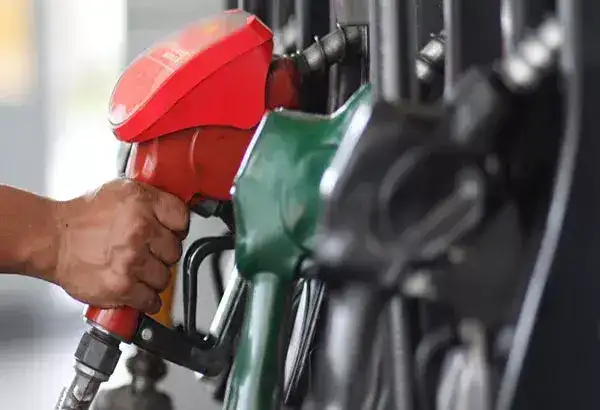
Choosing the best gasoline depends on knowing your engine’s needs. The core difference is the octane rating. Octane rating measures a fuel’s resistance to pre-ignition, also known as knocking.
The higher the number, the better the fuel can withstand knocking inside the engine.
91 octane fuel is best for conventional engines in family cars, offering solid performance and lower costs with no engine problems.
95 octane fuel is made for sports and luxury cars that need higher compression in the combustion chamber for maximum output. Using lower octane fuel in these engines can cause knocking sounds, reduced torque, increased fuel consumption, and may eventually damage engine components if used consistently.
Does Mixing Gasoline Types Affect Your Car?
Many drivers wonder about the safety of mixing 91 and 95 octane gasoline, especially during travel or when their preferred fuel is not available. Chemically, combining both types results in fuel with a mid level octane rating of around 93. This mix will not cause immediate harm to the engine, but the actual effect depends on your vehicle’s requirements.
If your car is designed for 91 octane, using a mix of 91 and 95, or even just 95, will not negatively impact your engine. You might notice a slight improvement in performance, but it is usually not significant enough to justify the higher price over time.
However, if your vehicle is engineered for 95 octane, regularly mixing or using 91 can reduce engine performance, cause unusual knocking sounds, increase carbon deposits, and eventually raise the risk of damage to pistons and valves with continued use.
Expert Recommendations
Experts advise that you should only use a different type of gasoline in emergencies and always keep these tips in mind:
Avoid high speeds or aggressive acceleration when running on a different fuel than recommended.
Return to the correct gasoline type as soon as possible.
Do not make mixing fuels a regular habit.
Remember, the color of gasoline is just a dye for identification and has no effect on quality or engine performance.