
- How “Saving” Turns Into Huge Bills
- Stretching Oil Changes: Turning the Engine Into a Time Bomb
- Ignoring Tires: Pressure and Rotation Are Not Optional
- “Lifetime” Fluids: Not for the Car’s Whole Life
- Warning Lights: Ignoring Check Engine Multiplies the Bill
- Screaming Brakes: That Squeal Is Not “Normal”
- Timing Belt: Neglecting It Can Turn the Engine Into Scrap
- Small Leaks and Cracked Hoses: “Minor Seepage” Is Not Minor
- Cheap Parts and Wrong Fluids: The Cheapest Today, the Most Expensive Tomorrow
- Skipping Washes: Neglecting the Underside Opens the Door to Rust
- Low Fluids and “Limping Home”: The Costliest Shortcut in Maintenance
- Bad DIY: When “Do It Yourself” Goes Beyond Your Limits
- Records and Recalls: Ignoring Them Costs You Money at Trade‑In
- Smart Maintenance Protects Both Your Car and Your Wallet
How “Saving” Turns Into Huge Bills
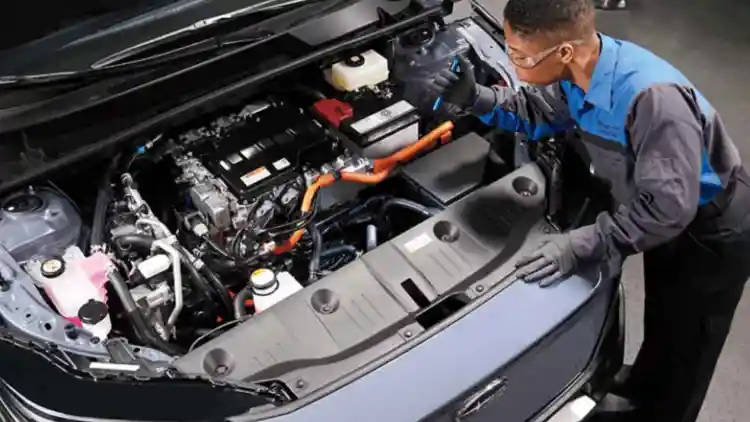
Many drivers think that delaying maintenance or always choosing the cheapest option is a smart way to save money, but reality is the exact opposite. Small neglect today turns into a big failure tomorrow, and a simple invoice can grow into thousands without warning.
Routine maintenance is not a luxury; it is the line between predictable, manageable expenses and surprise repairs that drain your budget and reduce your car’s value when you decide to sell or trade it in.

Stretching Oil Changes: Turning the Engine Into a Time Bomb
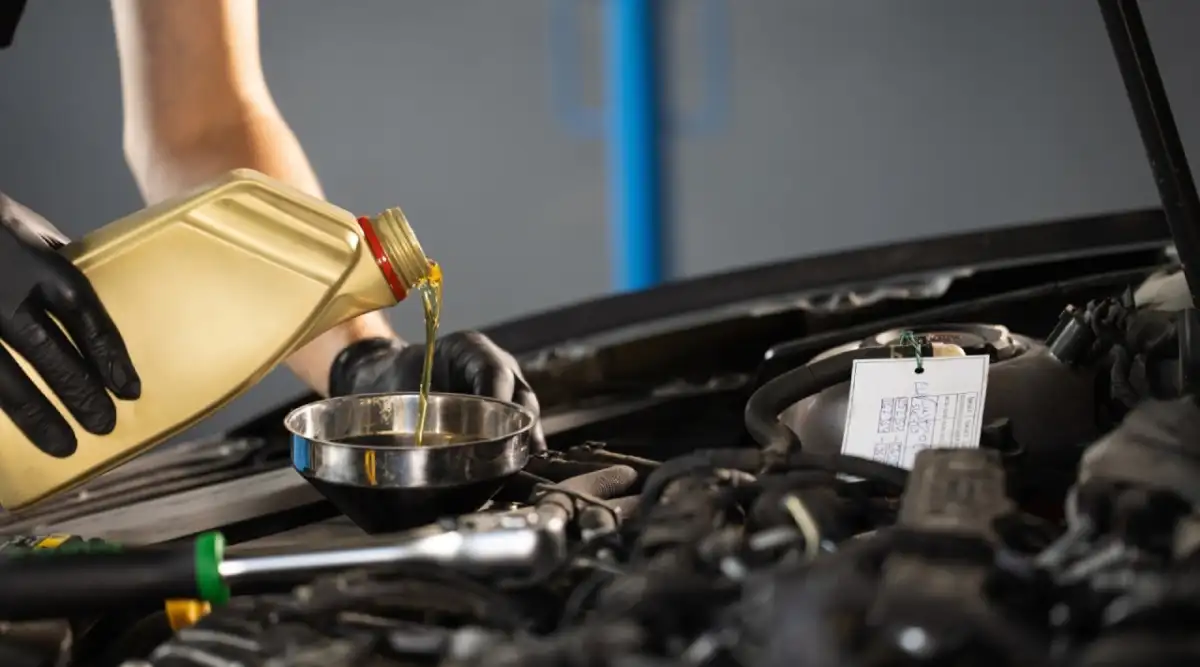
Engine oil is responsible for lubricating, cooling, and cleaning internal components, and delaying oil changes causes its protective properties to deteriorate until it becomes a dirty fluid full of contaminants.
Extending oil intervals leads to sludge and deposits building up inside the engine, clogging oil passages, lowering oil pressure, and increasing friction between moving parts.
An oil and filter change remains one of the cheapest maintenance jobs, while repairing or replacing an engine damaged by neglected oil can cost many times more.
Practical tip: Stick as closely as possible to the manufacturer’s service schedule and avoid using “it can go a bit longer” as a permanent rule.
Ignoring Tires: Pressure and Rotation Are Not Optional
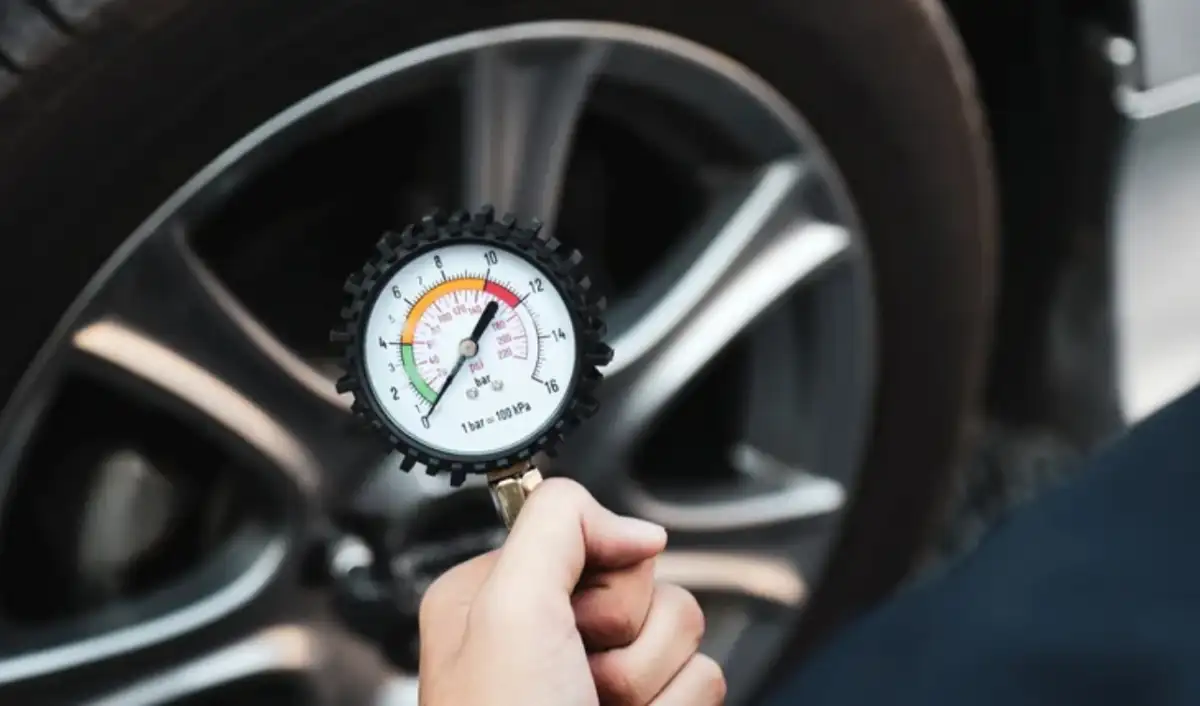
Under‑inflated tires wear out faster, run hotter, and are more likely to blow out, while over‑inflated tires wear in the center and lose grip.
Skipping tire rotation means the front steering tires wear much faster than the rears, because they handle both steering and most of the braking load.
Regular pressure checks and rotating tires at service intervals preserve tire life, improve stability, and help reduce fuel consumption.
Practical tip:
Check tire pressure every two weeks, or at least once a month.
Ask for tire rotation with each oil service, or roughly every 10,000–15,000 km.
“Lifetime” Fluids: Not for the Car’s Whole Life
Many brands market transmission, differential, and other fluids as “lifetime”, but in many cases that “lifetime” lines up with the warranty period, not the actual life of the car.
Transmission, brake, and coolant fluids are exposed to heat, moisture, and oxidation over time, which reduces their effectiveness and raises the risk of failures.
Neglecting these fluids can lead to worn transmissions, weak or corroded braking systems, or internal damage in the cooling system.
Practical tip: Go back to the real maintenance schedule in the owner’s manual instead of trusting “lifetime” as a marketing slogan.
Warning Lights: Ignoring Check Engine Multiplies the Bill
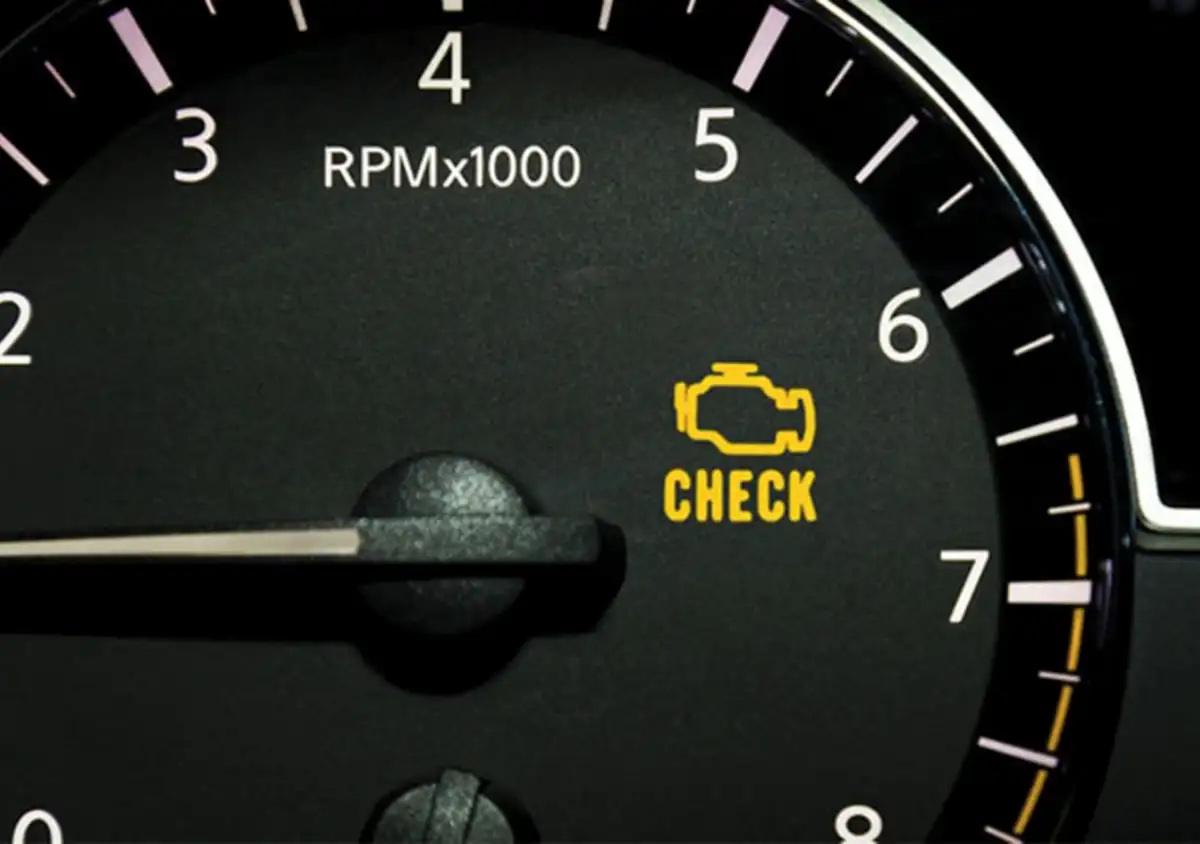
Warning lights on the dashboard are designed as early alerts before a disaster happens, not just “annoying icons”.
Ignoring a check‑engine light can turn a simple fault in a sensor or small component into damage to the catalytic converter or even the engine.
ABS and TPMS lights are also critical; neglecting them can harm braking performance or leave you driving on under‑inflated tires without realizing it.
Practical tip: When any warning light appears, have the codes checked and the fault diagnosed as soon as possible instead of waiting for the problem to get worse.
Screaming Brakes: That Squeal Is Not “Normal”
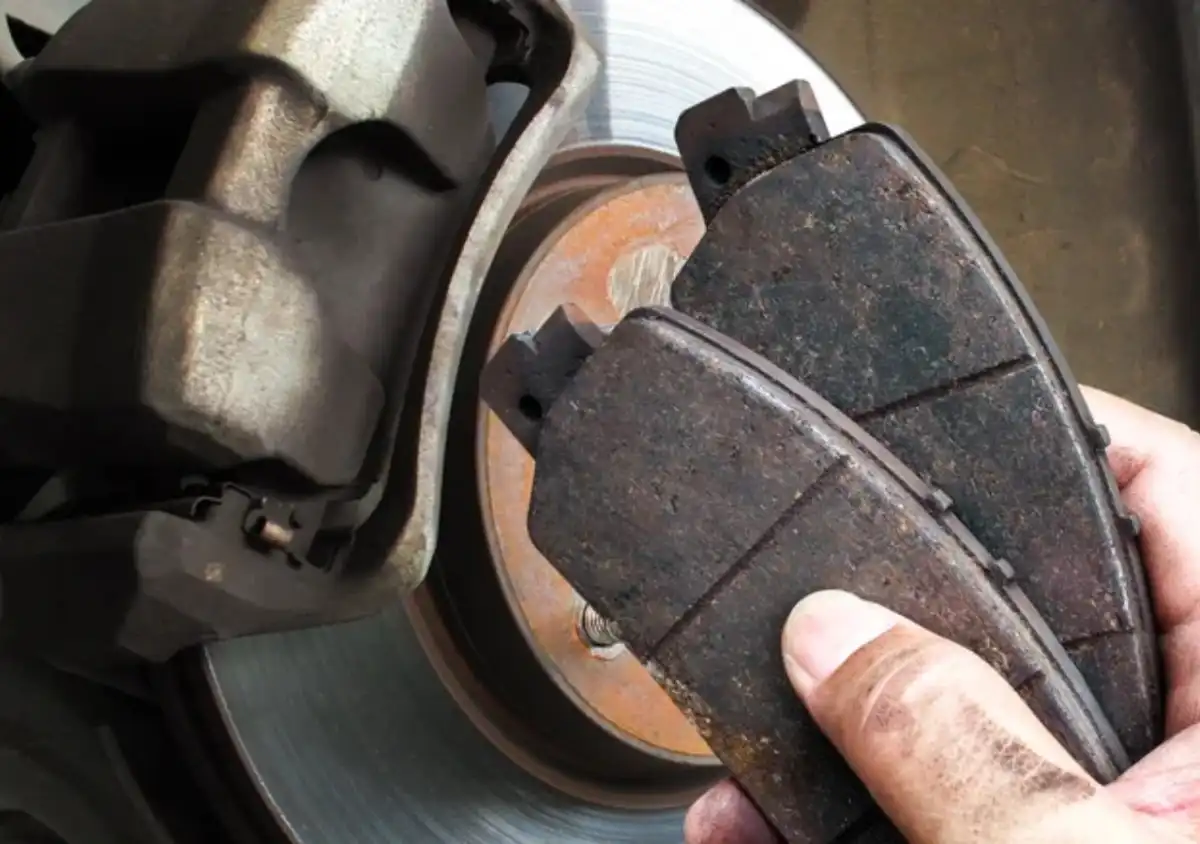
Many brake pads include wear indicators that squeal when the friction material is nearly gone; ignoring this sound means you are close to metal‑on‑metal contact with the rotor.
Delaying pad replacement can force you to replace the rotors as well, which significantly increases the repair cost.
Good brake condition is not just about money; it is directly linked to stopping distances and passenger safety.
Practical tip: At the first sign of squealing or vibration when braking, do not postpone a workshop visit; early intervention is cheaper and far safer.
Timing Belt: Neglecting It Can Turn the Engine Into Scrap
The timing belt keeps pistons and valves synchronized; on many interference engines, a broken belt allows pistons and valves to collide, causing severe internal damage.
Many owners ignore replacing the belt because the car “still runs fine”, but when it finally breaks, it can be the real end of the engine.
Changing the timing belt on schedule (with tensioner and related parts) costs far less than rebuilding or replacing a destroyed engine.
Practical tip: Respect the time or mileage interval for the timing belt listed in the owner’s manual and do not be flexible about this item in particular.
Small Leaks and Cracked Hoses: “Minor Seepage” Is Not Minor
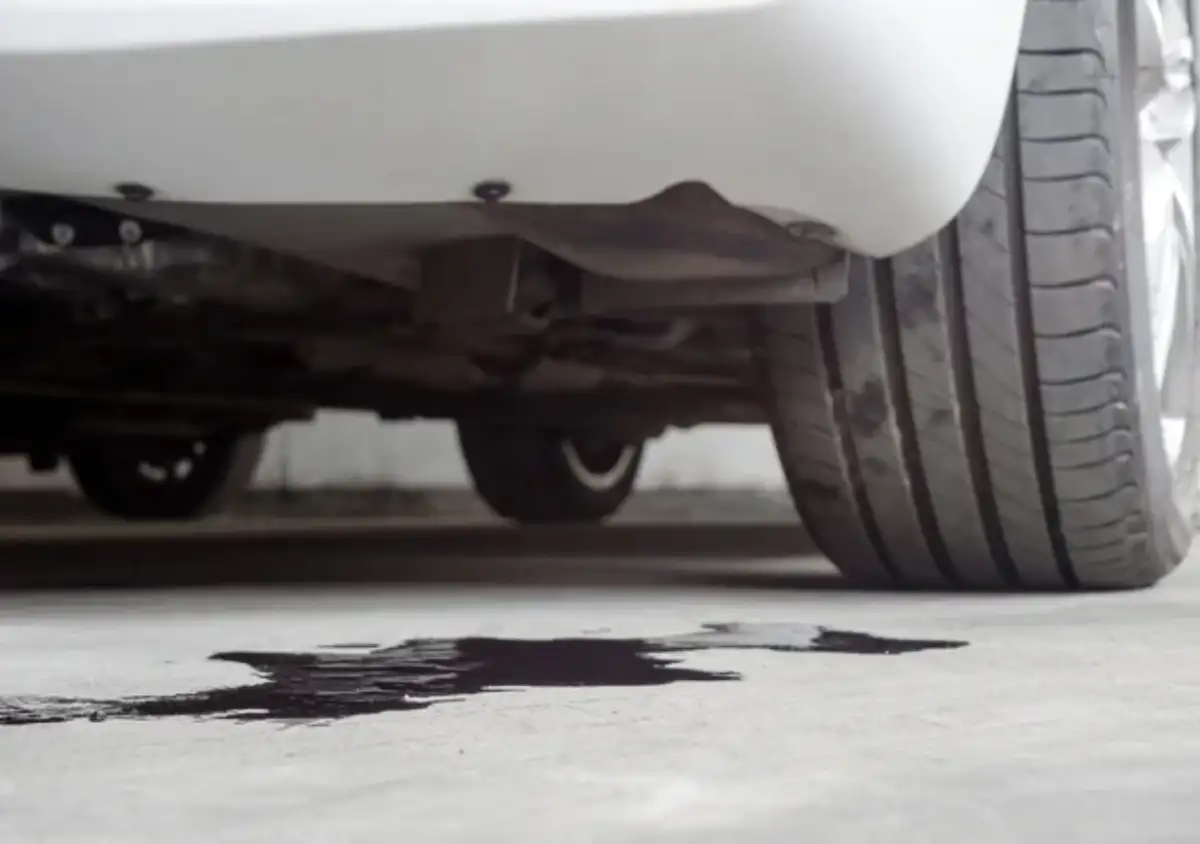
A drop of oil or coolant under the car can be the start of a leak that later causes overheating or a severe drop in oil level.
A small leak from a hose or radiator can lead to sudden overheating and damage to the cylinder head or gaskets.
A single cracked accessory belt can take out charging, air‑conditioning, and cooling all at once if it snaps on the move.
Practical tip:
Periodically inspect the area under the car.
Fix any leak or cracked hose immediately before it grows into a major failure and a tow‑truck bill.
Cheap Parts and Wrong Fluids: The Cheapest Today, the Most Expensive Tomorrow
Ultra‑cheap, unknown‑brand parts rarely deliver the same durability or safety levels as genuine or high‑quality aftermarket parts.
Poor oil filters, weak brake pads, or bargain suspension components may fail quickly or compromise comfort and safety.
Using oil or fluids that do not meet the specifications in the owner’s manual accelerates wear and can cause noise, poor braking, or transmission issues.
Practical tip: Choose parts and fluids that meet official specifications and avoid chasing the lowest price without considering quality and safety.
Skipping Washes: Neglecting the Underside Opens the Door to Rust
Dirt and salt that build up underneath the car trap moisture and accelerate rust in the chassis, fuel lines, brake lines, and structural components.
In harsh or humid environments, rust can kill a car long before the engine wears out.
Regular underbody and exterior washing helps protect the structure and reduces the chance of costly rust‑related repairs.
Practical tip: Make underbody washing part of your routine, especially after long trips or driving in wet, coastal, or dusty conditions.
Low Fluids and “Limping Home”: The Costliest Shortcut in Maintenance
Continuing to drive with an oil‑pressure or temperature warning illuminated is the shortest route to turning a healthy engine into scrap metal.
Low oil or coolant quickly raises internal temperatures, leading to warped heads, failed gaskets, and serious internal damage.
The cost of a tow truck and fixing a small leak or sensor is nothing compared to the price of replacing a cooked engine.
Practical tip: If an oil or temperature warning appears, pull over to a safe place, shut the engine off, and arrange for a tow instead of gambling.
Bad DIY: When “Do It Yourself” Goes Beyond Your Limits
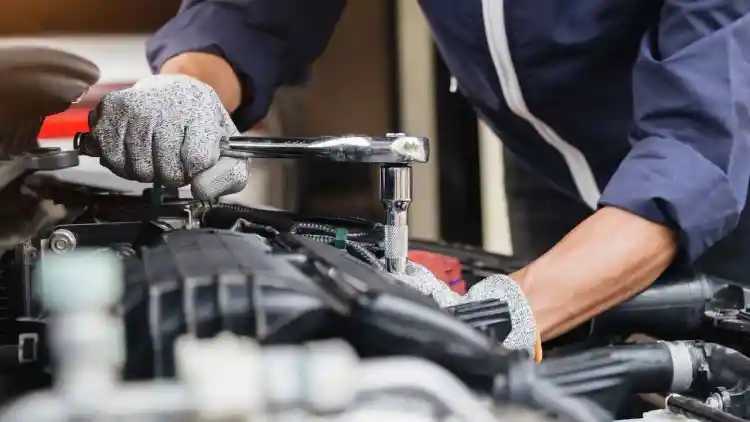
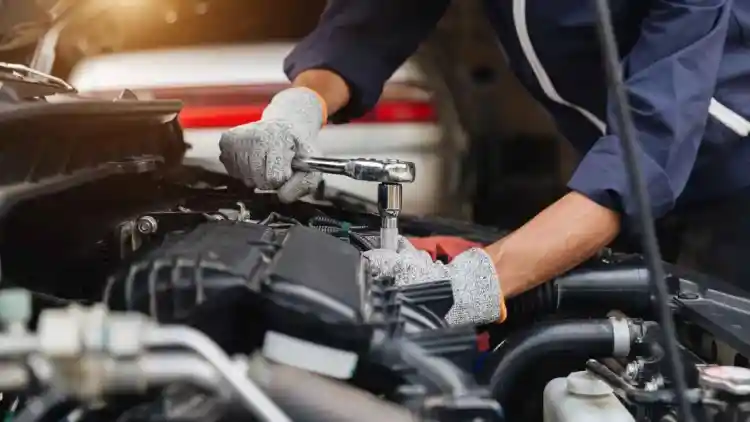
Simple jobs can be done at home, but jumping into complex repairs without the right tools or experience often makes the original problem worse.
Over‑tightened drain plugs and spark plugs, or incorrect belt routing, can cause leaks, stripped threads, or sudden loss of charging and cooling.
Many major repairs in workshops start as small issues that were made worse by unqualified DIY attempts.

Practical tip:
Only do what you truly know how to do, following an official service manual where possible.
Leave complex and safety‑critical work to professionals.
Records and Recalls: Ignoring Them Costs You Money at Trade‑In
Safety recalls offer free fixes for known defects, yet many owners ignore recall letters and emails.
A clean, organized service history with invoices increases buyer and dealer confidence and helps you get a better trade‑in or sale price.
A car with no documented maintenance history invites hard negotiation—or buyers walking away altogether.
Practical tip:
Check your VIN periodically through official recall‑check tools and respond promptly to any open campaigns.
Keep all service bills in one folder or digital file to show a clear history when selling.
Smart Maintenance Protects Both Your Car and Your Wallet
Car‑maintenance mistakes rarely look serious at first glance: a delayed oil change, an ignored warning light, a soft tire, or a small coolant leak. But stacking these small errors over years is exactly what keeps workshops busy with big, expensive jobs. Preventive, organized maintenance not only preserves the life and safety of your car; it protects your budget from ugly surprises and keeps your vehicle more valuable when it is time to sell.