
- Why does this question matter now in Saudi Arabia?
- First: Upfront purchase price – which is cheaper “on paper”?
- Second: Energy cost per kilometer – petrol vs electric
- Third: Maintenance – where does your money go after buying?
- Fourth: Daily urban use – which is more comfortable for Saudi drivers?
- In the city (Riyadh, Jeddah, Dammam, Khobar…)
- Fifth: Intercity travel – petrol’s strong point for now
- Sixth: Resale and the car’s value after several years
- Seventh: Key points
- Eighth: Simple comparison table
- Ninth: Turning the article into a “story” for Saudi readers
In Saudi Arabia today, the key question about which car is cheaper is no longer just “How much do I pay when I buy the car?” but rather “How much will every kilometer cost me over the years I use it?”. This is what makes the comparison between an electric car and a petrol car both more complex and more interesting. Petrol remains relatively subsidized, while electricity is cheaper per kilowatt‑hour, yet the purchase prices of the cars themselves vary significantly. In this article, the full picture is laid out for the Saudi driver: from purchase price, to energy bills, to maintenance and resale, so that each person can decide which option is truly “cheaper” in the short and long term.
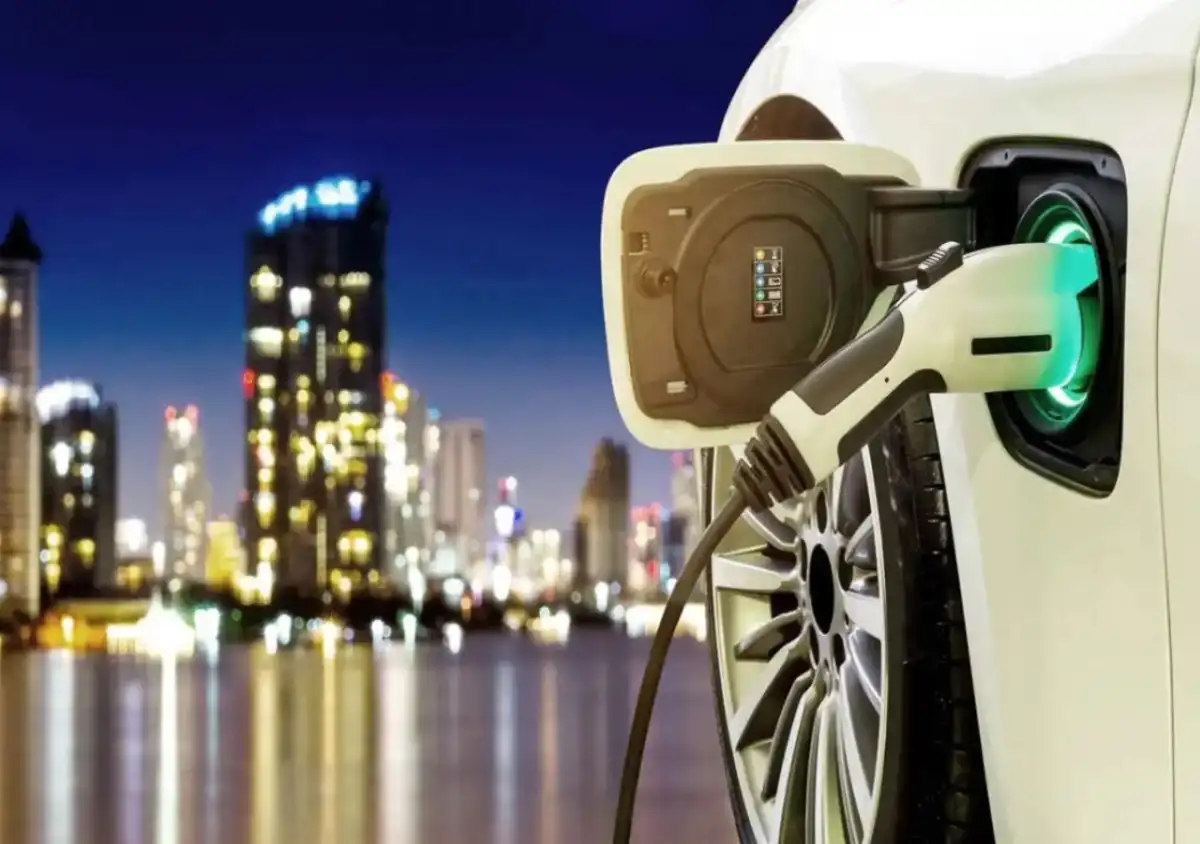
Why does this question matter now in Saudi Arabia?
The expansion of electric‑vehicle projects, from global brands to locally supported ones, has turned EVs into a more practical option than before. Ongoing adjustments to fuel and electricity prices mean that the total cost of owning a car is no longer fixed as it was years ago. A driver who covers 10,000 km per year is completely different from one who covers 30,000 km; what is economical for the first may not suit the second.
First: Upfront purchase price – which is cheaper “on paper”?
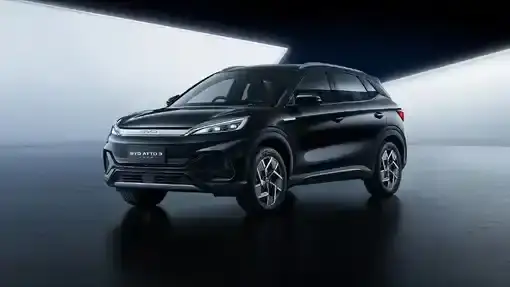
In most segments available today, the petrol car still has a clear advantage in one point: the initial purchase price. Many budget and mid‑priced petrol cars are sold for less than any equivalent electric car of similar size and equipment. Even some of the newer Chinese petrol models offer good features at competitive prices, making it easier to enter the world of car ownership for buyers focused on the down payment or monthly installment.
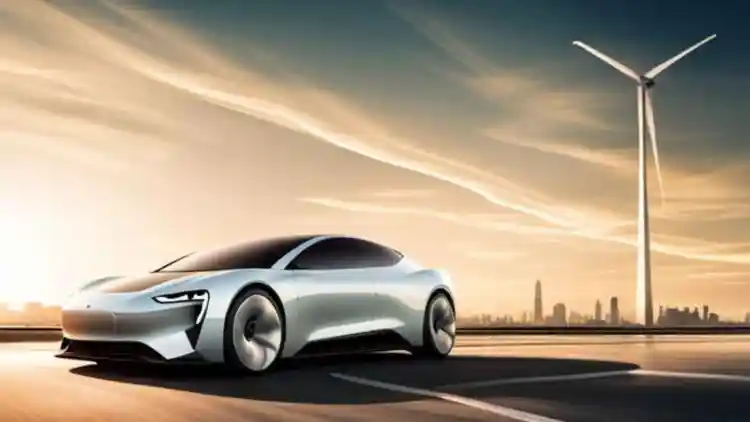
By contrast, an electric car usually carries a higher initial price because of the cost of the battery and the technologies integrated into the electric drivetrain. This price gap can be a barrier for a wide group of buyers, especially those looking for a first car or an affordable family vehicle. However, this is not the end of the story; what is paid upfront can be recovered later through savings on fuel and maintenance.
Second: Energy cost per kilometer – petrol vs electric
How do you think like an “accountant” rather than just a driver?
For a petrol car, the cost per kilometer depends on the car’s fuel consumption (liters/100 km) multiplied by the price per liter. For an electric car, the cost per kilometer depends on its energy consumption (kWh/100 km) multiplied by the price per kilowatt‑hour.
In most cases, when relying on home charging, the cost per kilometer in an electric car is lower than in a petrol car, even with relatively low fuel prices in Saudi Arabia. A driver who covers high annual mileage (such as 20,000–30,000 km) will clearly notice the difference on the energy bill at the end of the year, while someone who drives short distances may not feel a big gap.
Third: Maintenance – where does your money go after buying?
Petrol car
It needs periodic oil changes, along with oil and air filters, spark plugs, timing belts or chains, and many mechanical parts. As the years and kilometers build up, the likelihood of failures in moving parts inside the engine and gearbox increases. Maintenance is available almost everywhere, from the dealer to small workshops, at various price levels, but the total of these costs over 5–7 years can be substantial.
Electric car
It does not need engine‑oil changes or spark plugs, and it has no exhaust and far fewer mechanical parts that typically wear out in combustion engines. Routine maintenance focuses mainly on tires, the braking system (which often wears less because of energy recuperation in many models), and a few simple filters. The largest potential long‑term cost is the battery, but most manufacturers offer long warranties on it, which reduces concern during the first years of ownership.
From a pure maintenance standpoint, the electric car tends to be cheaper over the long run, as long as the owner has access to good service and spare parts through the dealer or authorized centers.
Fourth: Daily urban use – which is more comfortable for Saudi drivers?
In the city (Riyadh, Jeddah, Dammam, Khobar…)
Petrol car:
Fully suitable, with fuel stations available in almost every neighborhood. Fuel consumption rises in heavy traffic and with long hours of air‑conditioning in extreme heat.
Electric car:
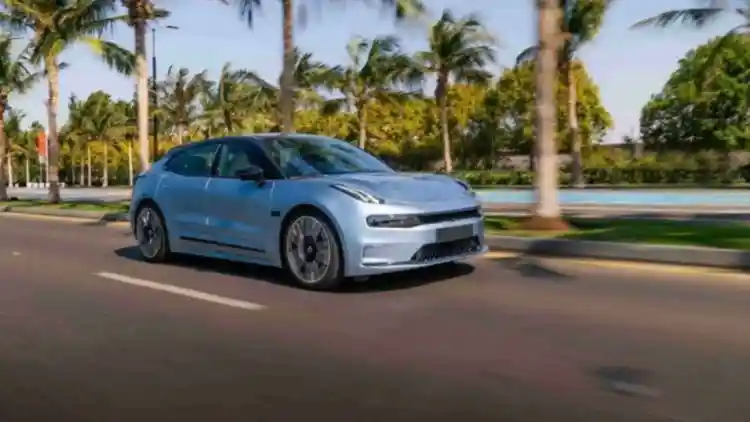
Ideal for “commuting to work – city errands – family visits”, especially if charging is available at home or at the workplace. Quiet operation and instant acceleration make it comfortable in congestion, with no engine noise or vibration.
For drivers whose daily use is mainly inside the city and who do not frequently travel between regions, an electric car can be both cheaper to run and more comfortable to live with, particularly when home charging is available.
Fifth: Intercity travel – petrol’s strong point for now
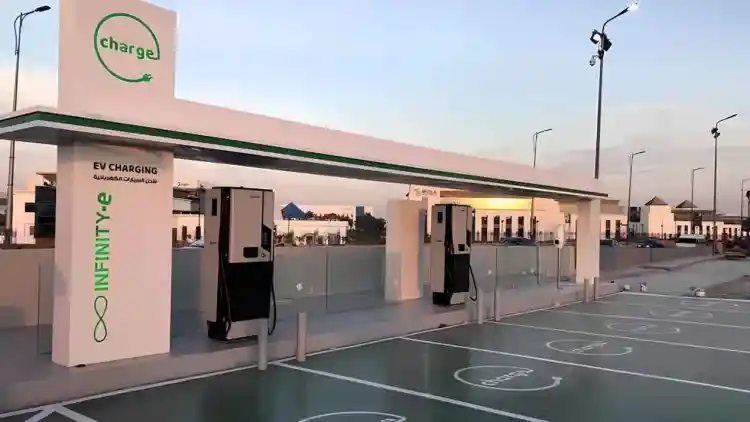
Some drivers in Saudi Arabia rely heavily on highways between cities such as Riyadh–Jeddah or Riyadh–Eastern Province. Here, the strongest advantage of petrol cars appears: there is no need to plan charging routes because fuel stations are densely spread along highways, and refueling takes only a few minutes. Charging an electric car, on the other hand, may require more time unless enough fast chargers are available on the route.
An electric car can still be used for intercity trips, but this depends on its real‑world battery range at highway speeds with air‑conditioning, the availability of fast‑charging stations on the way, and the driver’s willingness to stop for slightly longer breaks than a typical fuel stop. For those who frequently and spontaneously travel between cities, a petrol car remains more comfortable and flexible at the moment, while an electric car can be an excellent option for mainly urban users with some pre‑planned long trips.
Sixth: Resale and the car’s value after several years
Petrol car
There is a large, familiar market understood by most buyers, with a long, well‑known history for nearly every model. It is easy to price the car based on model year, mileage, and engine and body condition. In popular segments, depreciation rates tend to be predictable and relatively stable.
Electric car
The resale market is still forming, and the number of used EVs is far smaller than petrol cars. The biggest concern for buyers is battery health, how much it has degraded over time, and whether it is still under warranty. As electric cars spread and awareness grows, resale values are likely to improve gradually, especially for recognized models supported by strong dealers.
Overall, for now, petrol cars have clearer resale prospects and are easier to sell on the used‑car market, but this gap may narrow over the years as EVs become more common.
Seventh: Key points
When is a petrol car “cheaper”?
When the main priority is the lowest upfront price or smallest monthly installment.
When usage involves frequent intercity travel and there are not yet enough charging stations along the routes.
When the owner prefers easy resale after some years in a large, well‑defined used‑car market.
When is an electric car “more economical”?
When the driver has a home charger and spends most driving time within the city.
When annual mileage is medium to high (around 20,000–30,000 km), taking full advantage of lower energy and maintenance costs.
When the driver thinks in terms of total cost over 5–10 years, not just the initial payment.
Eighth: Simple comparison table
Ninth: Turning the article into a “story” for Saudi readers
The comparison can be presented as a narrative:
A first driver lives in Riyadh, drives 15,000 km per year inside the city, and has a private parking spot where a home charger can be installed. For him, the numbers show that an electric car can save enough on fuel and maintenance to offset the higher purchase price after a few years.
A second driver works in one city and travels weekly to another over long distances, with no guarantee of always finding fast chargers on the way. For this driver, a petrol car will likely be more comfortable, flexible, and possibly more economical in real‑life use, even if the fuel bill is slightly higher.