
- The Oil Color That Saved the Engine
- Why Is Engine Oil Color Really Important?
- First: When Is Dark Oil Normal—and When Does It Become Dangerous?
- Second: Foamy or White Oil—The Worst Thing You Can See
- Third: Green, Blue, or Red Oil—Serious Contamination Signals
- Fourth: Clear Golden Oil—The Ideal Condition
- How to Check Engine Oil Color Yourself
- Common Mistakes to Avoid
- Oil Color: A Free Diagnostic Tool You Shouldn’t Ignore
The Oil Color That Saved the Engine
Imagine a driver hurriedly opening the hood after a long trip, pulling out the oil dipstick expecting to see the familiar golden color—only to be shocked by a foamy, whitish liquid that looks more like cappuccino than engine oil.
At that moment, oil color is no longer just a “visual detail,” but an early warning of a problem that could cost thousands of dollars if ignored.
Engine oil color is not merely a natural result of use; it is a language through which the engine tells you about its internal condition:
Is everything normal?
Is it time for an oil change?
Or is there a coolant leak or the beginning of dangerous sludge buildup inside the engine?
In this article, you’ll find a simplified guide explaining what almost every oil color you might see on the dipstick or under the filler cap means—and how to turn this quick observation into a maintenance decision that protects your car from costly failures.
Why Is Engine Oil Color Really Important?
Engine oil is responsible for:
Lubricating and reducing friction between metal components
Cooling internal engine parts
Cleaning the engine of deposits and combustion byproducts
Over time, oil color changes due to:
High temperatures
Combustion residues and contamination
Oxidation and breakdown of additive packages
Oil color can provide early indicators of:
Delayed oil changes beyond the recommended schedule
Coolant leaking into the oil
The beginning of sludge formation or contamination
First: When Is Dark Oil Normal—and When Does It Become Dangerous?
Dark Brown or Black Oil
In gasoline engines:
Oil usually starts as a transparent golden color, then gradually turns dark brown or black with use, which is largely normal.
The color change is caused by absorbing combustion byproducts, oxidation, and detergents doing their job by trapping contaminants.
In diesel engines:
Oil turns black much faster and often becomes very dark shortly after a change.
This is due to the higher detergent content in diesel oils, which pull soot and combustion residue into the oil. In many cases, this means the oil is “working as intended,” not necessarily that it’s bad.
When Is Dark Color a Warning Sign?
If:
More than six months or a large number of kilometers have passed since the last oil change
And the oil appears extremely dark with:
Clumps or particles
A thick, paste-like texture
This may indicate:
The beginning of sludge buildup—similar to “cholesterol” inside the engine’s arteries
A severely delayed oil change
Engine overheating or combustion issues
Quick check for car owners:
Open the oil filler cap and look inside
If you see thick sludge layers, it’s time to change the oil immediately and possibly inspect the cooling and combustion systems
Second: Foamy or White Oil—The Worst Thing You Can See
Whitish or Foamy Oil
This color or texture usually means:
Engine oil has mixed with a fluid that should never be there: coolant
Possible causes:
Failed head gasket
Cracks in the cylinder head
Problems with the engine oil cooler
What Does Continuing to Drive Mean?
Loss of oil’s ability to lubricate and cool properly
Increased internal friction, wearing camshafts, lifters, bearings, and piston rings
Potential damage to the catalytic converter due to abnormal combustion or fluid leakage
What Should You Do?
Stop driving as soon as possible
Do not rely on “short distances” as a temporary solution
Tow the car to a trusted service center and inspect the cooling system and head gasket
Third: Green, Blue, or Red Oil—Serious Contamination Signals
Red or Pinkish Oil
Under normal conditions:
This color does not belong to engine oil, but to automatic transmission fluid (ATF), which is often red or pink
If you see this color on the engine oil dipstick:
It may be due to a filling mistake (adding ATF to the engine by accident)
Or an unusual internal leak in certain rare designs
Risks:
ATF has different viscosity and additive properties than engine oil
Inadequate protection of engine internals, leading to premature wear or component failure
Blue or Bluish Oil
Some coolants are blue, meaning:
Blue oil may indicate coolant contamination, similar to foamy or white oil
Possible causes include:
Head gasket failure
Oil cooler malfunction
Internal cracks in engine components
Green Oil
Some oils are factory-dyed green, which is normal if the oil is new and from that category
But if oil suddenly changes from golden or brown to green:
It may indicate contamination with dyed coolant
Or an internal issue in the cooling system or oil cooler
In All These Cases (Red, Blue, Unexpected Green):
It’s best to stop driving and have the car inspected by a qualified mechanic
Ignoring these colors can lead to expensive internal engine damage
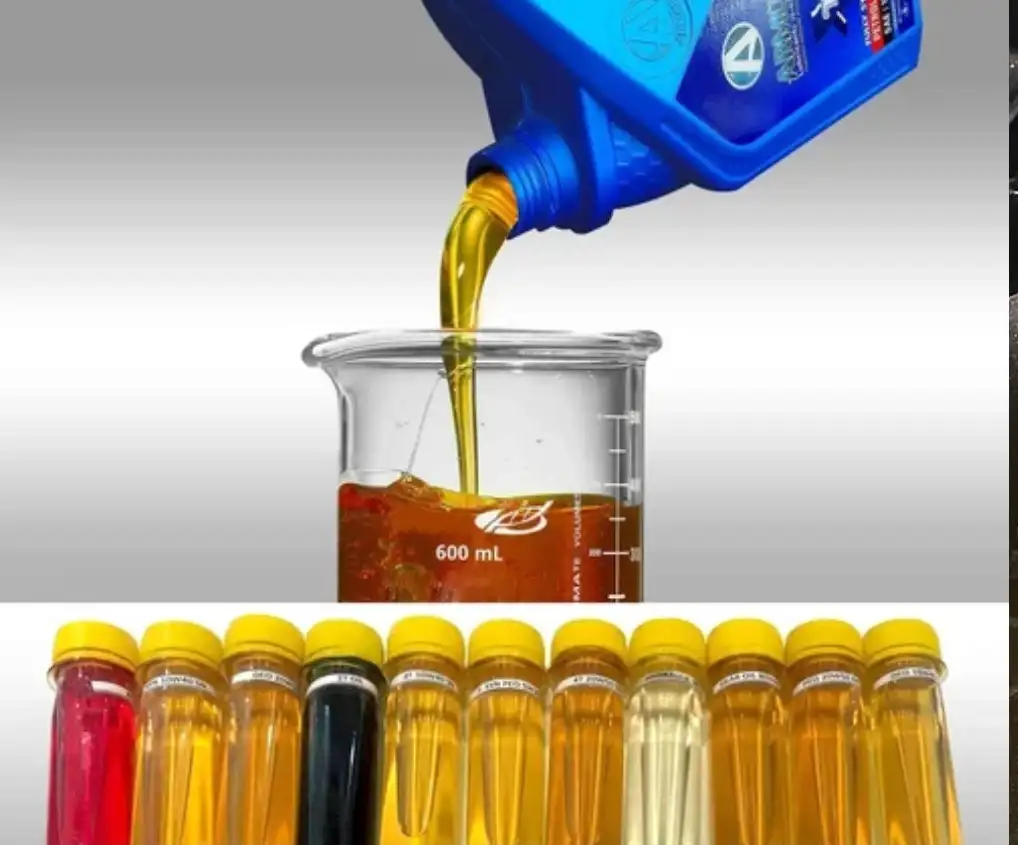
Fourth: Clear Golden Oil—The Ideal Condition
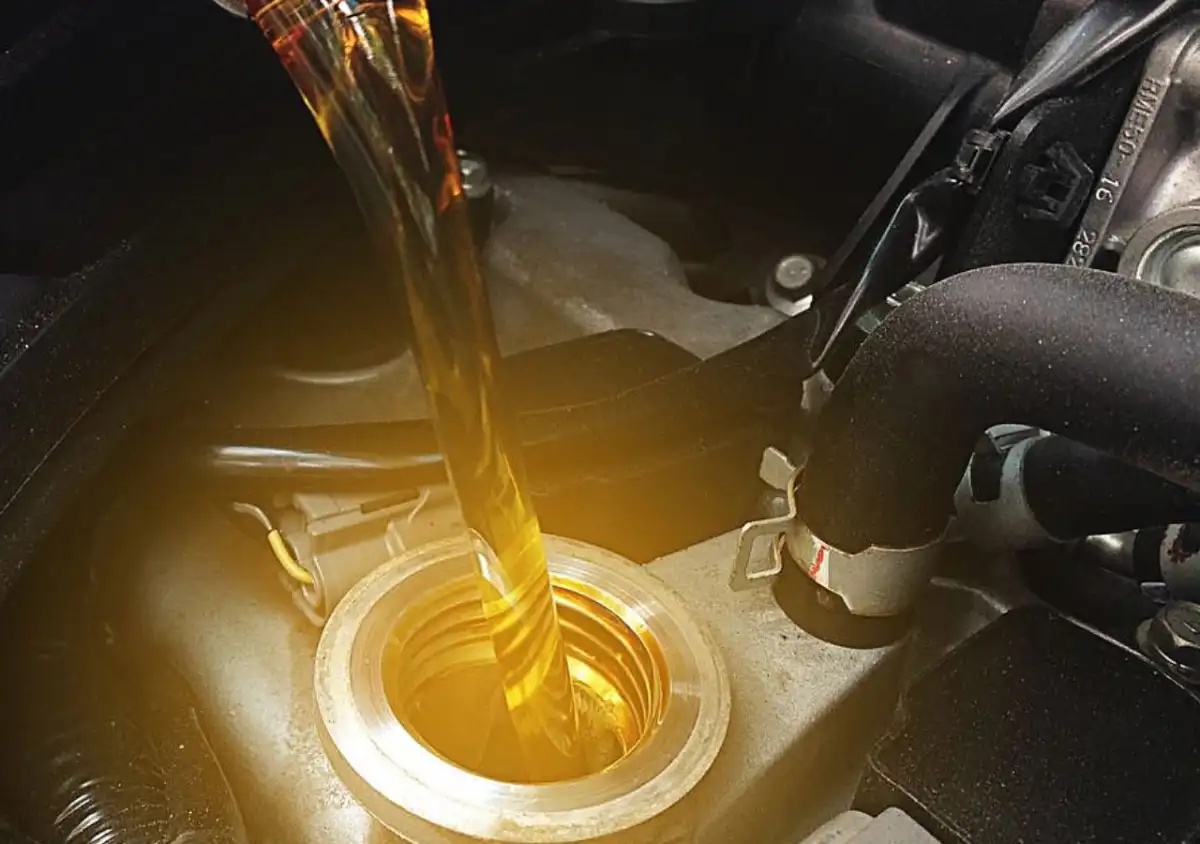
Clear Golden or Amber Oil
This is the “ideal” color for new or relatively fresh engine oil:
Indicates clean oil with minimal contaminants
Means the engine is receiving excellent lubrication and protection against heat and friction
What Does It Mean If the Golden Color Lasts for a Reasonable Time?
Relatively clean combustion inside the engine
No major contamination such as dust, soot, or unburned fuel
Don’t Be Fooled by Color Alone
Even if oil looks clean:
Always follow the manufacturer’s oil change schedule
Some high-quality oils retain a good color even as additives begin losing effectiveness
Best practice:
Use time and mileage as the primary reference
Use color as an additional indicator, not the sole criterion
How to Check Engine Oil Color Yourself
Simple steps any car owner can follow:
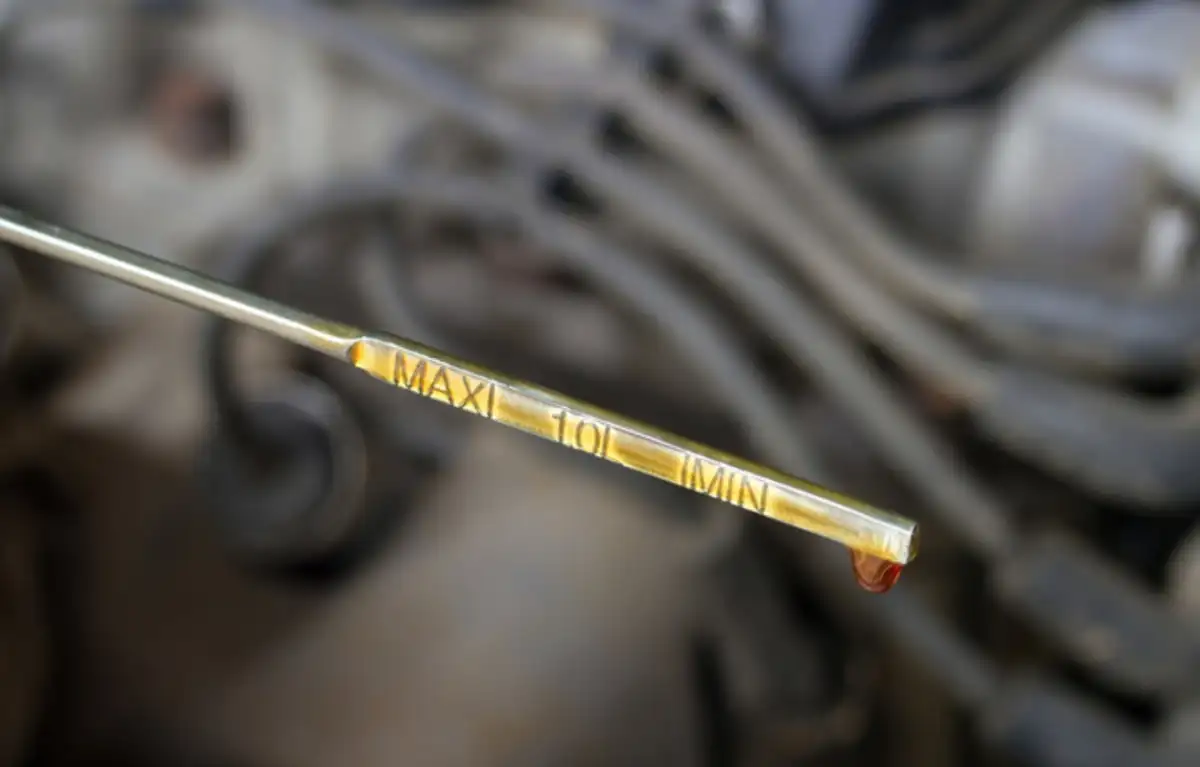
Park the car on level ground, turn off the engine, and wait a few minutes
Pull out the dipstick and wipe it clean with a cloth
Reinsert it fully, then pull it out again and observe:
Oil level between Min and Max marks
Oil color and texture: clear, dark, foamy, grainy, or clumpy
Check under the oil cap:
Open the oil filler cap and look inside
Thick sludge or paste-like material indicates the need for an immediate oil change and possibly internal engine cleaning
Quick tips:
Make oil inspection a monthly habit or every few thousand kilometers
Take a photo each time for future visual comparison
Common Mistakes to Avoid
Relying on oil color alone and ignoring:
Engine noises (knocking, unusual roughness)
Oil warning lights on the dashboard
Excessive oil consumption or rapid level drops
Delaying oil changes because the color still looks “acceptable”:
Chemical additives have a limited lifespan
Oil may lose protective ability before its color visibly changes
Using oil with incorrect viscosity or type:
Even good-looking oil may fail to provide proper lubrication
Always refer to the owner’s manual or a trusted service center.
Oil Color: A Free Diagnostic Tool You Shouldn’t Ignore
Engine oil color is not just an appearance—it’s a free and quick diagnostic tool that lets you read your engine’s condition from the outside.
From clear golden oil indicating good health, to dark oil signaling a pending change, to foamy white or green and blue hues warning of coolant leaks and cooling system issues, these colors can save you a lot of money if you respond in time.
Make checking the oil dipstick part of your routine—just like checking tire pressure or fuel level. Those few minutes could prevent a hefty repair bill later.