
- How Does Heat Affect Battery Performance?
- How to Optimize Battery Heat Performance?
- Cooling Technology Comparison
- FAQ
- Conclusion
Understanding how heat impacts battery performance is crucial for maintaining the efficiency and longevity of electric vehicle batteries. Heat management can not only boost your vehicle's reliability but also ensure optimal range and charging capabilities, especially in hot climates.
How Does Heat Affect Battery Performance?
Heat has a noticeable effect on the performance and lifespan of batteries in electric vehicles. While all batteries experience some degree of heat during normal operation, excessive or prolonged exposure can lead to significant issues:
Reduced Capacity: Extreme heat speeds up the chemical degradation inside a battery, reducing its ability to hold a full charge over time.
Thermal Runaway Risks: If a battery gets too hot, uncontrollable temperature increases can occur, causing safety concerns.
Loss in Efficiency: Overheated batteries take longer to charge and may struggle to deliver their rated power.
The Science Behind Battery Heat
The effects of heat on batteries are rooted in chemistry and design. Here are some key points to understand:
Chemical Activity: Heat can accelerate the reactions inside a battery, facilitating better energy output temporarily but potentially damaging long-term durability.
Material Expansion: With rising temperatures, internal components of a battery may swell or deform, reducing overall efficiency.
Thermal Safety Concerns: In extreme cases, overheating may lead to leaks, fires, or other hazards. Preventive measures like cooling systems are essential.
Warning Signs of Heat-Related Issues
It’s important to spot the symptoms of battery overheating early to avoid safety or performance problems. Look out for these signs:
Loss of driving range or noticeable drops in charging capacity.
Physical signs like bulging or leaking of the battery.
Difficulty in achieving full charge or slower than usual charge cycles.

How to Optimize Battery Heat Performance?
Optimizing heat performance requires proper care, preventive measures, and modern technologies. The following practices can help:
Leverage Advanced Cooling Systems
Many EVs come equipped with systems designed to manage heat effectively. To maximize these:
Regularly check and service your vehicle’s cooling mechanism. Whether it’s air, liquid, or a phase-change system, proper upkeep is essential.
For older EVs, explore retrofitting opportunities to upgrade thermal management.
Manage Charging Routines
How you charge your EV directly impacts its heat levels. Consider these tips:
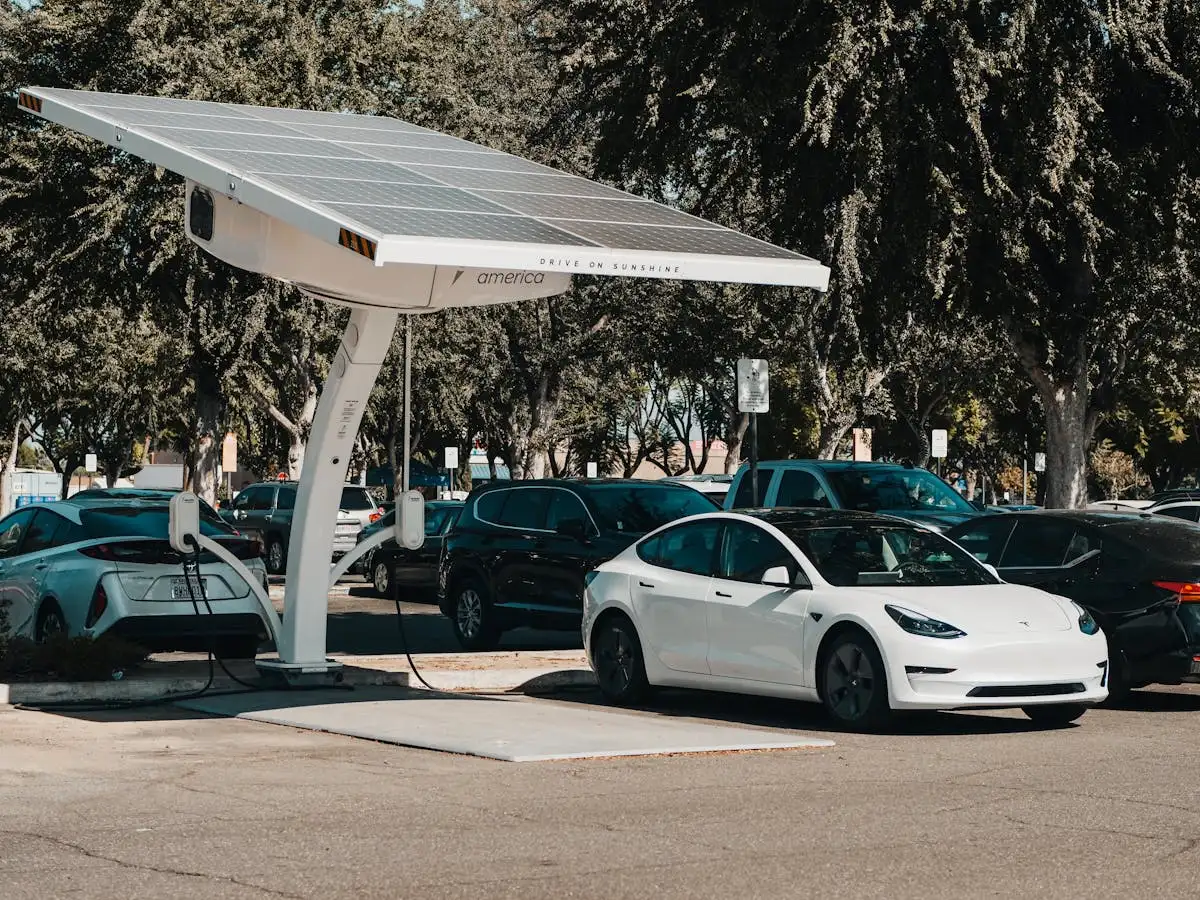
Allow the battery to cool down after long drives before initiating charging. Hot batteries are more prone to damage.
Choose slow charging in hot weather conditions as fast chargers can generate additional heat.
Practice Heat-Conscious Driving Habits
Certain driving behaviors can increase heat production. Adopting mindful practices can enhance battery life:
Reduce frequent rapid accelerations or high-speed driving, which both elevate battery temperatures.
Avoid leaving your vehicle exposed to direct sunlight and park in shaded or indoor areas when possible.
Explore Advanced Battery Technologies
Manufacturers are consistently innovating EV battery designs to handle high temperatures more effectively. Technologies like solid-state batteries and advanced thermal-resistant materials are becoming more common.
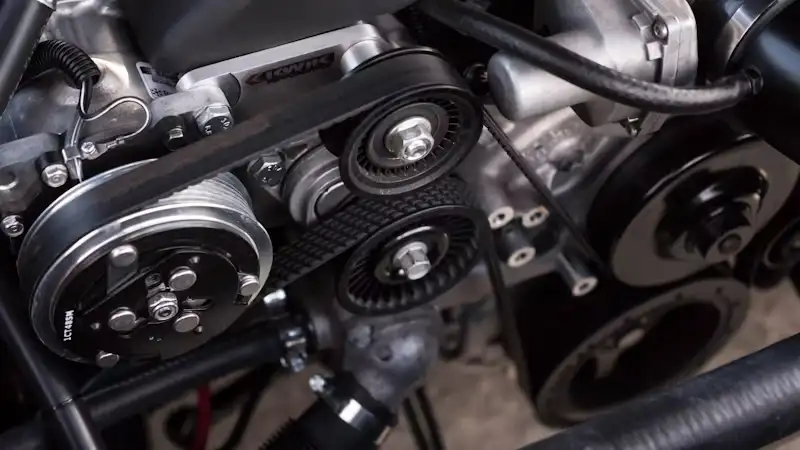
Cooling Technology Comparison
EV cooling systems use different methods to manage battery heat. Here’s how they measure up:
Cooling Method | Benefits | Challenges |
|---|---|---|
Air Cooling | Affordable and simple | Less effective in extreme heat |
Liquid Cooling | High efficiency | Increased maintenance costs |
Phase Change Cooling | Breakthrough results | Limited accessibility currently |
FAQ
What happens if a battery overheats?
An overheating battery decomposes faster, leading to reduced lifespan and diminished performance. It can also pose fire risks.
Are all EV batteries equally impacted by heat?
No. Some newer EV models feature heat-resistant design or advanced cooling systems tailored for hot climates, making them more durable.
Why avoid fast charging in heat?
Fast chargers generate more heat during operation, which when coupled with extreme weather or preexisting heat inside the battery, can accelerate degradation.
What makes solid-state batteries better?
Solid-state batteries use solid electrolytes that react less to heat, improving durability, performance, and safety.
Can battery heat affect driving range?
Yes. Heat lowers a battery’s ability to hold a charge effectively, reducing the overall range of the EV.
Conclusion
Battery heat performance plays a huge role in the efficiency and safety of electric vehicles, particularly in harsh climates. By adopting smartUAE Smart cooling, managing charging habits, and exploring advanced technologies, EV owners can avoid premature battery failure and enjoy the best driving experience possible.
Read More:
Megane RS: A Comprehensive Guide to the Iconic Hot Hatch
Kia Rio 2022: A Comprehensive Review for Car Shoppers
Everything You Need to Know About Iveco Van
2 / 22