
- Why Summer Preparation Matters
- Essential Summer Checks
- Driving Tips for Extreme Heat
- FAQ
- Conclusion
Why Summer Preparation Matters
Extreme heat pushes every car system to its limit. Air conditioning works overtime, coolant temperatures rise, tire pressures increase, and battery fluid evaporates. A pre-summer inspection prevents roadside breakdowns and expensive repairs.
Essential Summer Checks
Air Conditioning System
Test the AC for cold airflow. If it blows warm or weak, have the refrigerant level checked and the system inspected for leaks. Clean or replace the cabin air filter for maximum airflow.
Cooling System
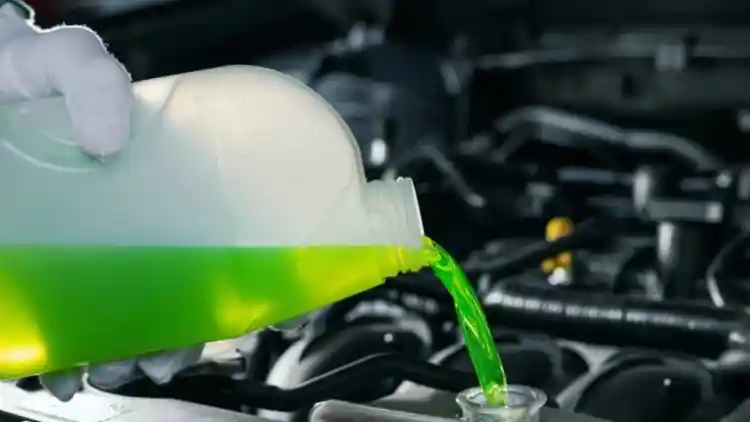
Check coolant level and condition. Flush and replace coolant if it is over two years old or appears rusty. Inspect hoses for cracks and the radiator for debris or leaks.
Tire Condition
Hot pavement increases tire pressure by 4 to 6 PSI. Check pressures when tires are cold and adjust to manufacturer specifications. Inspect tread depth and sidewalls for cracks or bulges.
Battery Health
Heat accelerates battery degradation. Test the battery's charge capacity and clean the terminals. If the battery is over two years old, consider replacement before summer peaks.
Engine Oil
Ensure oil is at the correct level and not overdue for a change. High temperatures thin oil, reducing protection. Synthetic oil performs better in extreme heat.
Windshield Wipers and Fluid
Summer dust and sand reduce visibility. Replace worn wipers and top up washer fluid. Consider a summer-formula fluid that removes bug residue.
Driving Tips for Extreme Heat
- Park in shade whenever possible to protect interior and battery.
- Use a sunshade on the windshield to reduce cabin temperatures.
- Never leave children or pets in a parked car, even briefly.
- Monitor the temperature gauge during long drives in traffic.
FAQ
How often should I check coolant in summer?
Weekly during peak summer months. Top up with the correct coolant mixture if the level drops below the minimum mark.
Can heat cause my car to overheat?
Yes. Ambient temperatures above 45 degrees Celsius push cooling systems to their limits. A well-maintained system should handle it, but neglected systems are at high risk.
Should I overinflate tires for summer?
No. Inflate to the manufacturer's recommended pressure, measured cold. Heat will naturally raise pressure while driving.
How do I protect my car's paint from sun damage?
Wash regularly, apply wax or sealant every two months, and park in shade or use a car cover. Ceramic coating offers the best long-term UV protection.
Conclusion
A little preparation before summer saves money, prevents breakdowns, and keeps you comfortable. Focus on cooling, AC, tires, and battery for a worry-free summer driving season.