
- The Growing Appeal of Chinese EVs in the Middle East
- Reflections on Selling Chinese EVs for 300 Days
- What Does the Future Hold for Chinese EVs?
- Essential Takeaways
- FAQ
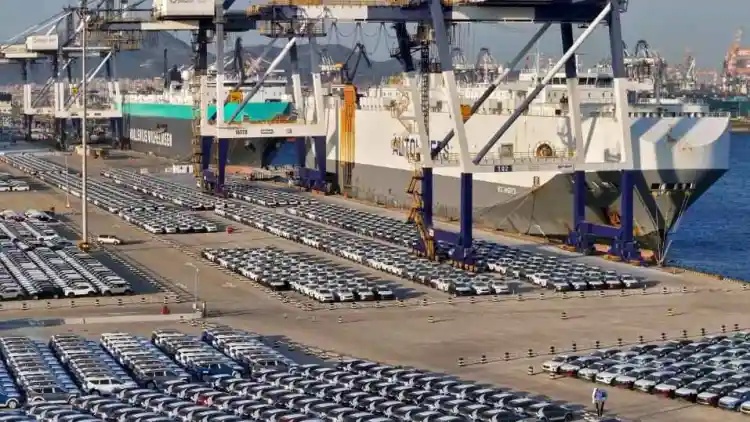
Selling Chinese electric vehicles (EVs) in the Middle East for 300 days was a unique and transformative experience. From introducing new brands to a market known for its preference for luxury and enduring vehicles to addressing infrastructure hurdles, the journey was full of learnings and challenges. This article dives deep into the experience, offering valuable insights into the dynamics of this growing niche within the automotive industry. Whether you're a manufacturer, dealer, or EV enthusiast, there’s plenty to unpack here.

The Growing Appeal of Chinese EVs in the Middle East
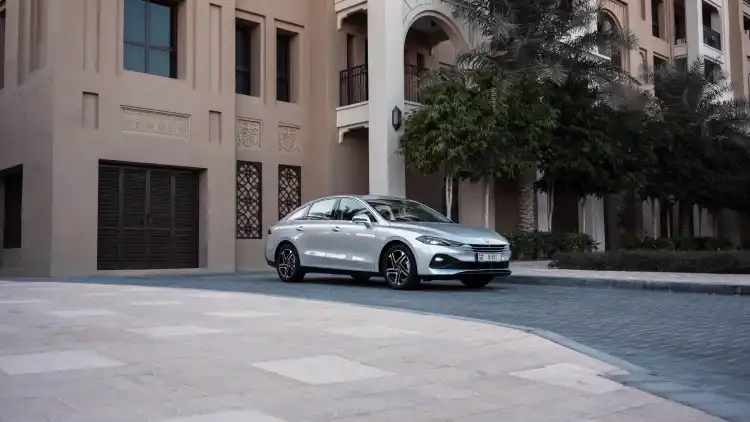
Chinese electric vehicles have become increasingly prominent in global markets, and their popularity is steadily rising in the Middle East. These vehicles have disrupted traditional perceptions, proving that affordability and quality are no longer mutually exclusive. Key reasons why Chinese EVs are appealing include:
1. Affordable Pricing Options
Chinese EV brands deliver budget-friendly alternatives for consumers seeking to enter the EV space. The price gap between locally produced or imported European and American EVs and Chinese EVs makes the latter significantly more attractive to customers seeking cost-effective models. Whether it's a commuter car or a mid-range model packed with innovative technology, affordability plays a major role in winning over buyers.
2. Cutting-Edge Features
A key selling point of Chinese EVs is their advanced features. Brands like BYDEgypt BYDUAE BYDKSA BYDBahrain BYDKuwait BYDOman BYDQatar BYD, NIOBahrain NioEgypt NioKSA NioKuwait NioOman NioQatar NioUAE Nio, and XPengKSA XpengUAE XpengBahrain XpengEgypt XpengKuwait XpengOman XpengQatar Xpeng have developed vehicles equipped with autonomous driving technology, AI-powered safety systems, intuitive displays, and long-lasting batteries. These features rival even the most acclaimed global brands and have helped break stigmas surrounding Chinese manufacturing quality.
3. Eco-Friendly Compatibility
Regions across the Middle East are increasingly adopting eco-focused policies and investing heavily in renewable energy projects. Chinese EVs, with their emphasis on sustainable transportation, align perfectly with these initiatives. Their lower emissions and potential synergy with solar charging systems add value to long-term regional climate goals.
Reflections on Selling Chinese EVs for 300 Days
After selling Chinese EVs throughout the Middle East for 300 days, I gained invaluable insights into the market, its customers, and the hurdles for widespread adoption. Below are noteworthy observations:
1. Navigating Consumer Skepticism
Winning trust was an essential but complicated process. Middle Eastern buyers initially hesitated to adopt Chinese cars due to their lesser-known brands. Clear communication regarding safety certifications, reliability, and comparisons to global players were effective strategies in gaining acceptance.
2. Cultural Priorities Shape Marketing
The region’s culture places importance on vehicles as status symbols, especially within affluent communities. Highlighting luxury elements, stylish designs, and high-end tech features was crucial to convincing customers that Chinese EVs could meet these standards.
3. Infrastructure Limitations
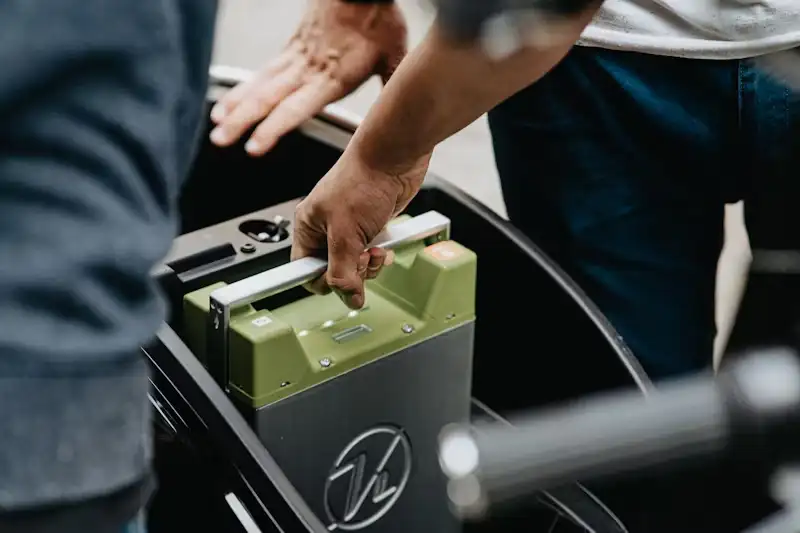
Many potential EV buyers expressed concerns about the availability and practicality of charging stations. Promoting advanced home-charging kits provided by Chinese EV brands helped in easing these worries. However, creating large-scale infrastructure will remain a vital requirement for further market growth.
4. Addressing Maintenance Concerns
Consumers also worried about access to spare parts and service centers for Chinese EVs. Emphasizing warranties, streamlined maintenance programs, and partnerships with local auto-service providers was an effective solution for addressing these concerns.
5. Effective Use of Digital Marketing
Modern digital tools were pivotal to educating buyers about Chinese EVs. Platforms like social media, targeted ads, and influencer campaigns showcased the innovative features, affordability, and eco-friendly benefits. With customized approaches, digital marketing fueled interest and inquiries from diverse demographics.

What Does the Future Hold for Chinese EVs?
While it hasn’t been an entirely smooth journey, the future of Chinese EVs in the Middle East holds promise. Here are areas of opportunity for brands looking to expand in the region:
1. Government and Private Fleet Purchases
Governments and private corporations are examining low-emission fleet options. Chinese EVs are well-positioned due to their combination of affordability and technological robustness. Selecting these vehicles for fleets could unlock widespread adoption.
2. Rising Consumer Demand
The region's growing population and increasingly affluent middle class provide fertile ground for mid-range, tech-equipped EVs. Chinese brands are prepared to bridge the gap between affordability and high-tech standards.
3. Renewable Energy Synergies
As Middle Eastern countries ramp up solar and wind energy projects, EV integration will become simpler. Locally generated renewable energy represents a natural complement to electric mobility, including Chinese EVs.
Essential Takeaways
Selling Chinese EVs for 300 days in the Middle East revealed several useful lessons:
It's paramount to overcome skepticism through transparent messaging and customer education.
Responding to cultural expectations, particularly around perception and value-added features, ensures better acceptance.
Partnering with governments and large-scale institutions to bolster infrastructure and incentives could transform adoption rates.
Leveraging digital spaces effectively can drive interest and inform potential customers about the advantages of switching to EVs.
Although challenges like limited infrastructure remain, Chinese EV brands hold a strong foothold with their commitment to affordability and innovation. The Middle East's evolving transport landscape ensures their role in shaping the future of mobility.
FAQ
Q: How do Chinese EVs handle extreme Middle Eastern temperatures?
Chinese EV brands are well-aware of the region’s climate challenges. Many vehicles come equipped with advanced battery cooling systems designed to perform optimally in hot environments. Manufacturers conduct extensive tests to adapt these vehicles for tough conditions.
Q: What difficulties do Chinese EVs face in the Middle East market?
Key challenges include sparse charging infrastructure, unfamiliarity with the brands, and initial skepticism about service reliability. These issues are being mitigated progressively.
Q: Are subsidies available for adopting Chinese EVs?
Some nations in the Middle East offer either tax credits or direct subsidies for EV purchases, depending on their renewable energy goals. Buyers should check country-specific policies to confirm eligibility.
Q: Can Chinese EVs compete with premium global brands?
Chinese EVs compete well in terms of affordability and innovation. While they continue working towards matching brand recognition, they’re excelling in offering feature-rich models at competitive prices.
Q: What’s the long-term outlook for Chinese EVs in the Middle East?
Adoption is expected to grow with infrastructure improvements, increasing awareness, and fleet transitions backed by governments. Chinese EVs are poised to capture significant market share over time.
Read More:
Megane RS: A Comprehensive Guide to the Iconic Hot Hatch
Honda Civic 2019 Price in UAE: Your Complete Guide
Kia Carens Mileage: Everything You Need to Know
2 / 82