
Proper car maintenance ensures your vehicle remains safe, efficient, and in top condition throughout its lifespan. Whether you're a seasoned driver or just starting, keeping up with routine care will save you money and prevent unnecessary breakdowns. Let’s explore the best practices for maintaining your car in 2025, along with modern tools and tips tailored to today’s vehicles.
Why Is Car Maintenance More Important Than Ever?
Modern cars are increasingly equipped with advanced technologies, from intelligent sensors to AI-controlled systems. While these innovations improve safety and performance, they also require meticulous upkeep. Neglecting maintenance in 2025 can lead to problems that are not just costly but potentially dangerous.
Impact of Neglecting Maintenance
If you skip regular car check-ups, it introduces risks that affect your wallet, the environment, and your safety:
Costly Repairs: Small neglected issues, like worn-out brake pads, can escalate into serious problems such as a full brake system failure, costing thousands in repairs.
Poor Fuel Economy: Failing to replace dirty air filters or ignoring engine servicing increases fuel consumption, draining your finances and adding unnecessary emissions.
Safety Concerns: Old tires, malfunctioning brakes, or worn suspensions directly impact your control, increasing the risk of accidents.
The Basics of Comprehensive Car Maintenance
To keep your vehicle in peak condition, there are essential maintenance routines that every car owner needs to follow. Organized care ensures longevity, safety, and optimal performance.
Regular Maintenance Checks
Fluid Levels:
Check vital fluids such as engine oil, coolant, brake fluid, and transmission fluid every month. Low levels can cause system failures. Top up or replace fluids as necessary.
Tire Pressure and Condition:
Inspect your tires regularly to avoid accidents. Look for uneven wear, sidewall cracks, and damage. Always maintain tire pressure at the manufacturer-recommended PSI level.
Scheduled Servicing
Many manufacturers recommend servicing every 6,000 to 12,000 miles. Key parts of scheduled maintenance include:
Oil Changes: Replace old oil to enhance engine health and improve performance.
Filter Replacement: Clean air and fuel filters ensure efficient combustion.
Battery Tests: Avoid unexpected battery failures by inspecting it for corrosion or power loss.
Seasonal Adjustments
Weather conditions play a major role in how your car performs. Prepare your vehicle for seasonal challenges.
Winter:
Switch to winter tires for better traction on snow and ice.
Ensure that your antifreeze levels are adequate to prevent freezing.
Summer:
Use sunshades and park in shaded areas to preserve your car’s interior.
Inspect the air conditioning system to avoid overheating on hot days.
Modern Tools and Apps for Car Maintenance in 2025
Technology makes car maintenance more convenient than ever before. The latest tools and applications help track servicing schedules, detect issues, and monitor performance effectively.
Maintenance Reminder Apps:
Apps notify you of routine tasks, such as oil changes, tire rotations, or fluid replacements. Most advanced systems integrate directly with your car’s onboard diagnostics system.
Diagnostic Tools:
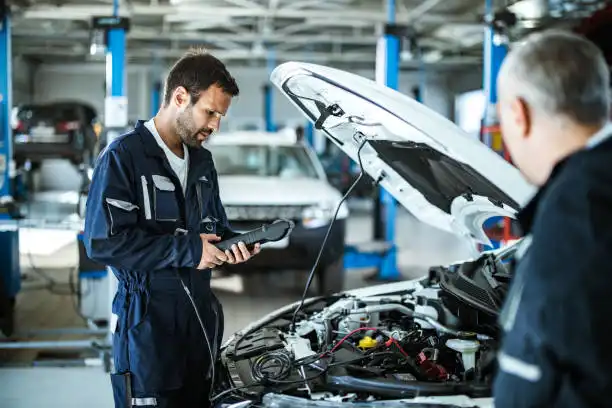
Gadgets available in 2025 can easily scan your car and identify potential mechanical issues before they turn into costly problems. Some devices even offer repair suggestions.
Eco-Driving Monitors:
These tools analyze your driving habits to improve fuel efficiency, such as smoother acceleration or using cruise control when appropriate.
Green Maintenance Practices for Modern Cars
With the rise in popularity of electric and hybrid cars, car maintenance in 2025 requires specific adjustments. Many of these vehicles depend on batteries and electrical systems that need extra care.
Battery Management:
Keep an eye on your battery’s health to ensure reliable performance. Regular software updates optimize its efficiency and lifespan.
Regenerative Braking:
This system helps convert kinetic energy into electricity. Keeping it properly calibrated increases driving efficiency.
Energy-Efficient Tires:
Choose tires designed to reduce rolling resistance and extend the driving range, especially for EVs.
FAQs
Q: How often should I get my car serviced?
A: Ideally, cars should be serviced every 6,000 to 12,000 miles, or every six months, depending on your driving habits.
Q: Do electric cars require less maintenance?
A: Yes, electric vehicles have fewer moving parts, meaning you avoid oil changes and transmission repairs. However, regular battery checks and software updates are essential to keep them running smoothly.
Q: Can skipping tire maintenance lead to accidents?
A: Yes, worn tires reduce grip, increase stopping distance, and can cause blowouts. This puts you and others on the road at risk.
Q: Are mobile apps reliable for maintenance reminders?
A: Absolutely. Most modern apps connect to your car's system to give precise notifications on service needs, saving you from relying on estimates.
Q: Is seasonal maintenance truly necessary?
A: Definitely. Seasonal maintenance prepares your vehicle for specific weather challenges, ensuring safety and prolonging the lifespan of key components.
Read More:
Range Test: Chinese EVs in Real UAE Driving Conditions (AC On)
Fast Charging Compatibility: CCS2, GB/T and What Works Where
Chinese EV Battery Technology Explained: LFP vs NMC in Hot Climates