
- Jetour's Manufacturing Origins: Jetour Made in Which Country?
- Why Manufacturing Origins Matter for Buyers
- How Production Locations Affect Your Ownership Experience
- Future Manufacturing Trends: Jetour in 2025
- FAQ
Are you wondering "JetourBahrain JetourEgypt JetourKSA JetourKuwait JetourOman JetourQatar JetourUAE Jetour from which country?" or "Where is Jetour made?" This guide breaks down the manufacturing origins of Jetour vehicles and explains how production hubs influence their performance, warranty, and overall reliability, especially for buyers in the Gulf region.
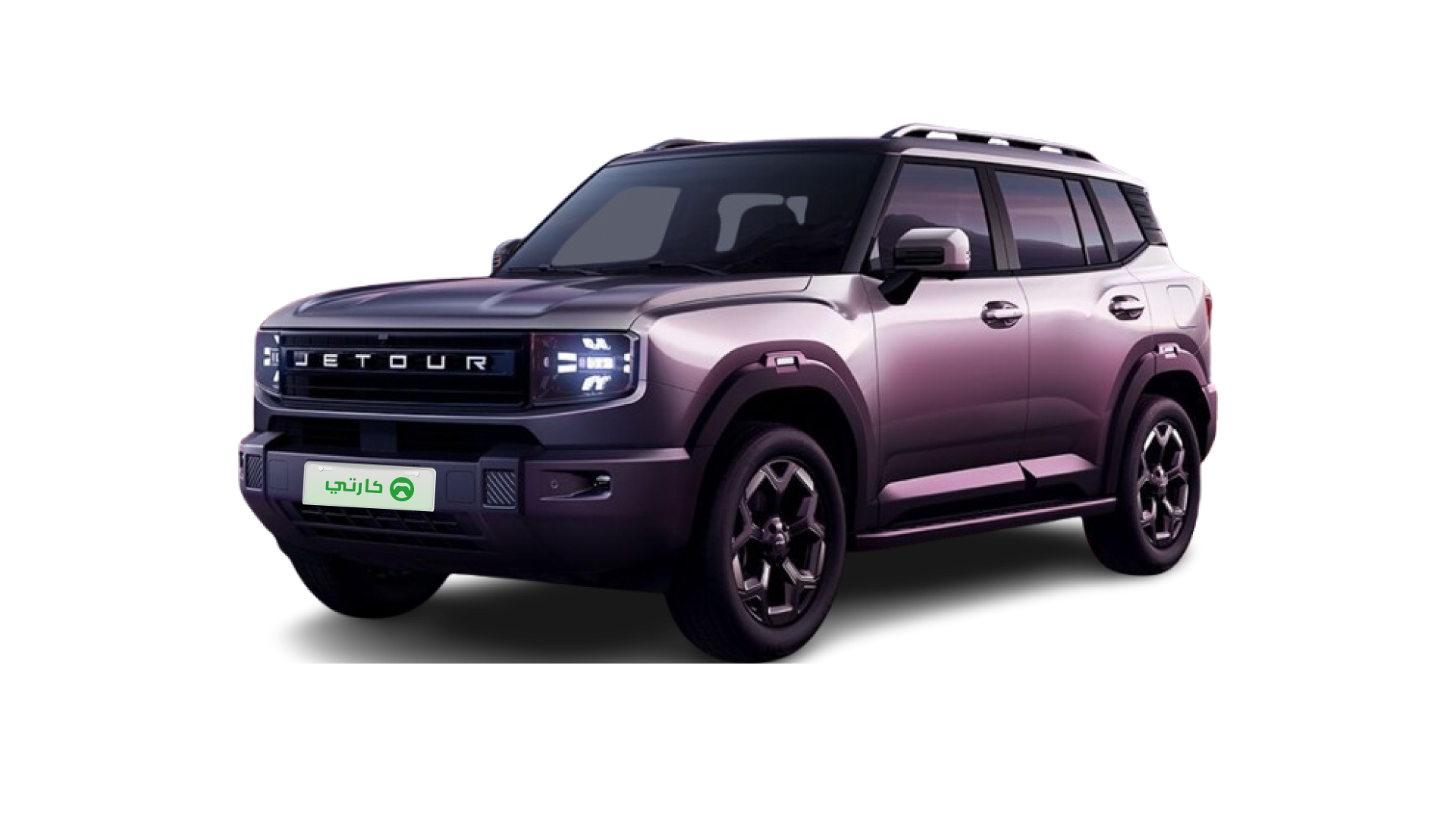

Jetour's Manufacturing Origins: Jetour Made in Which Country?
Jetour cars are primarily built in China, where state-of-the-art manufacturing hubs and research centers ensure top-notch quality. The production network is global, integrating regional facilities to tailor vehicles for different climates and road conditions. You will find that each manufacturing hub leverages local expertise to maintain quality standards, reduce delivery times, and provide custom solutions for customers in the Gulf region.
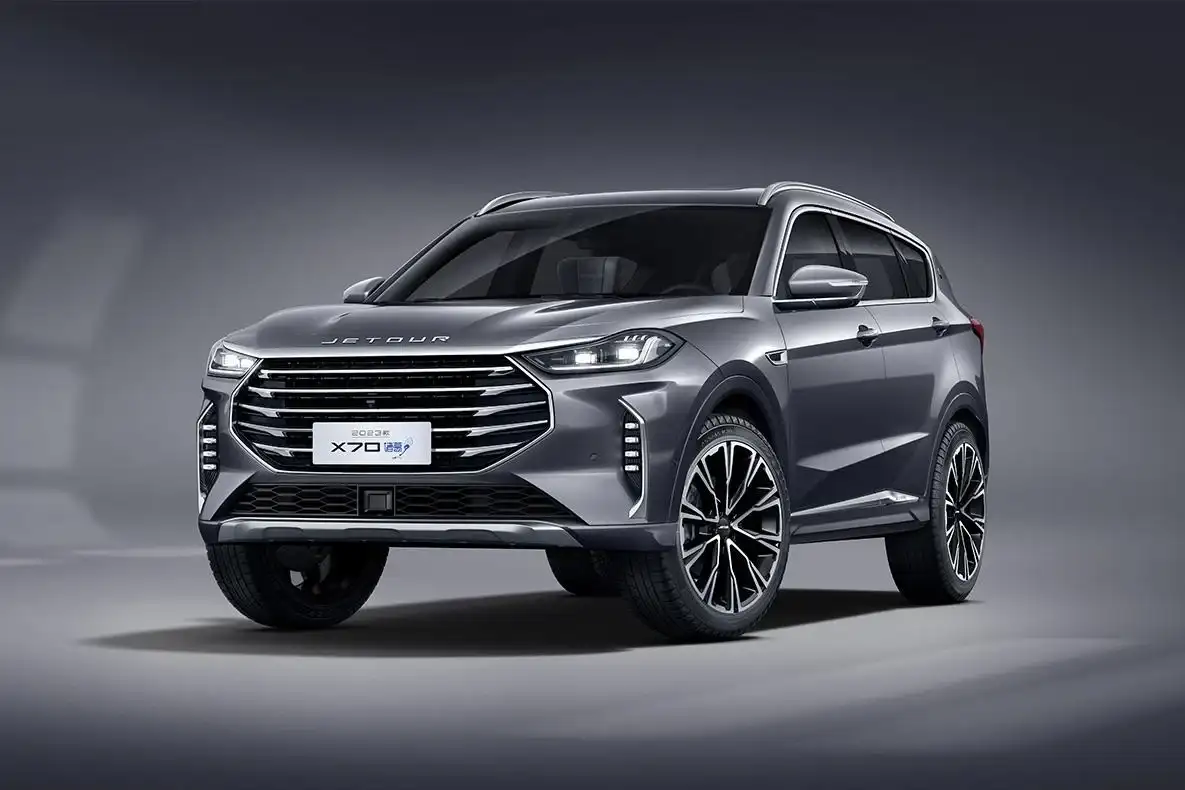
Wuhu Mega-Plant (China): Acting as the central R&D hub, this facility produces approximately 400,000 units annually, ensuring rigorous quality control and advanced technology integration.
Rosario Facility (Argentina): Serving the South American market, this hub is dedicated to regional excellence while matching global production protocols.
Middle East Technical Centers: Located in strategic Gulf locations such as the UAE and Saudi Arabia, these centers adapt vehicles with region-specific features and offer a seamless local service experience.
Why Manufacturing Origins Matter for Buyers
Understanding where your Jetour is manufactured can greatly impact your ownership experience. The manufacturing location influences parts accessibility, warranty provisions, and customization options that suit your local needs. Consider these advantages:
1. Parts Accessibility and Delivery
Vehicles produced in regional hubs reduce delivery times for replacement components.
For instance, parts from Gulf-based facilities may take 3-5 days, while those from China might take 7-10 days.
2. Customization Options
Middle Eastern technical centers provide climate-specific adjustments, such as:
Desert-adapted cooling systems.
Sand-resistant filtration systems, perfect for Gulf terrain.
3. Warranty and Local Service Benefits
Tailored warranty plans cater to GCC standards, such as:
7-year/150,000 km warranty packages for key components.
Buyers enjoy efficient local service support.
How Production Locations Affect Your Ownership Experience
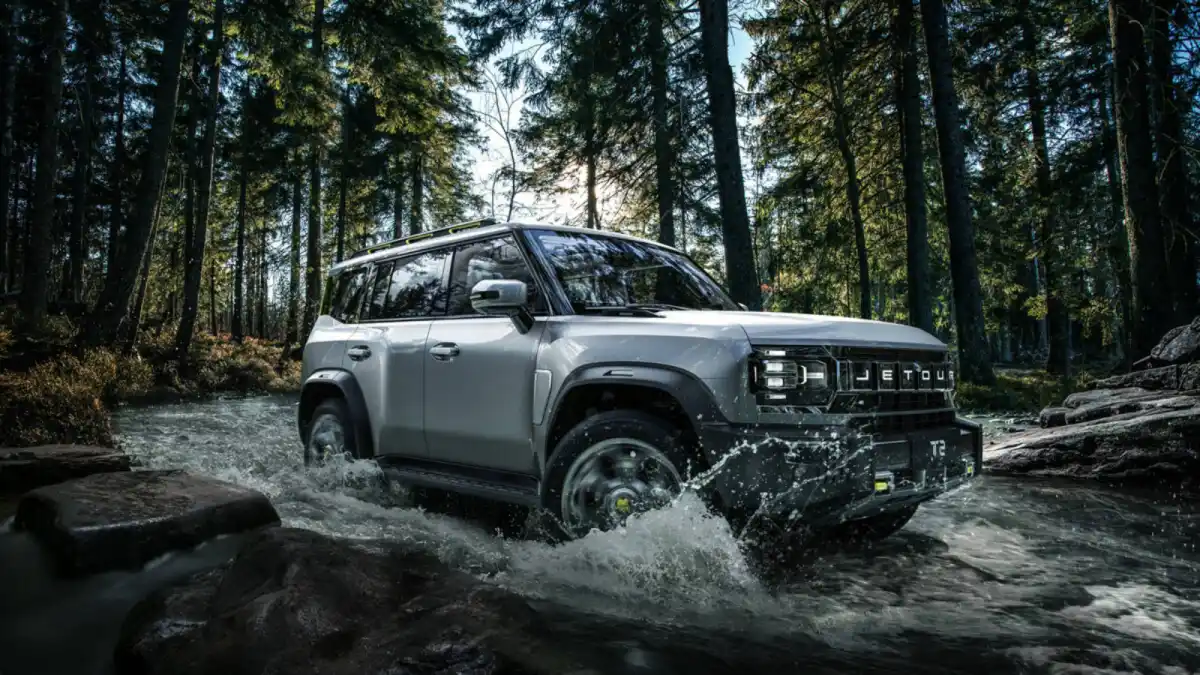
Maintenance Network Accessibility
Jetour has fine-tuned its 2025 service strategy to ensure that wherever you are, exceptional care is at hand. Enjoy benefits such as:
Certified workshops are located within 50 km of major cities for convenient servicing.
Mobile service units cater to remote areas, minimizing downtime.
24/7 roadside assistance is available, suitable for both urban and rural settings.
These strategies help ensure that even if your vehicle originates from overseas, local support is always within reach, tailored to meet GCC standards and conditions.
Climate-Specific Engineering
In regions with extreme weather challenges, customers in the Gulf benefit from innovations developed at Middle Eastern technical centers. Key enhancements include:
Sand-resistant air filtration systems to keep engines running smoothly.
Cooling components tested in temperatures up to 45°C for optimal performance.
UV-protected interior materials for long-lasting quality in extreme heat.
Such innovations exemplify how production location directly influences vehicle durability and overall driving quality in the GCC market.
Future Manufacturing Trends: Jetour in 2025

Localized Production Developments
Looking ahead, Jetour is investing in regional production expansions to better serve local demands. You might soon see:
New assembly lines in North Africa aimed at reducing import costs and tailoring features for desert climates
The establishment of regional battery production units to support next-generation electric models
Enhanced Arabic-language infotainment systems that provide seamless connectivity and user-friendly interfaces for local drivers
These developments hint at a future where localized production enhances customization, spurs innovation, and drives down costs for discerning buyers in the Gulf.
Smart Buying Tips for Jetour Shoppers
When you’re ready to invest in a Jetour, consider these tips to ensure you’re making a well-informed decision:
Check the VIN code on your vehicle – codes like LJX indicate Chinese origin, while 95B show Argentine production.
Ask for climate adaptation certificates to verify features designed for desert conditions, such as enhanced cooling systems and dust-sealed electrical setups.
Confirm the availability of regional-specific upgrades such as:
Enhanced AC compressors tuned for extreme heat
Dust-sealed electrical systems to prevent sand infiltration
Corrosion-resistant undercarriage components designed for exposure to abrasive climates
These carefully curated tips can help you navigate the purchase of a Jetour with confidence, ensuring that its manufacturing footprint meets your expectations in quality and local support.
FAQ
Q1:What is the primary country of manufacture for Jetour vehicles?
Jetour cars are primarily manufactured in China, where advanced facilities ensure high-quality production standards. Regional hubs in places like Argentina and the Gulf provide tailored manufacturing and assembly solutions. This approach allows for faster parts delivery and customization to suit local market needs. Such a global production network reinforces reliability and quality control for 2025 models, making it a smart choice for buyers in the GCC. The mix of international production standards and localized enhancements brings tangible benefits to everyday driving experiences.
Q2:How do different manufacturing locations affect vehicle performance and warranty coverage?
The country of manufacture influences various performance aspects, including access to specialized parts and tailored warranty services. For instance, cars produced in regional hubs may come with warranty benefits that align with GCC certification standards. Local service centers ensure that maintenance procedures meet specific regional requirements, ultimately enhancing your ownership experience. Customers are encouraged to verify these details before purchase to ensure that they receive comprehensive after-sales support that matches local regulations.
Q3:Are there special features added during manufacturing to tackle Gulf climate challenges?
Yes, many of Jetour’s vehicles come equipped with special adaptations aimed at meeting Gulf climate conditions. These include sand-resistant air filters, cooling components rigorously tested for high temperatures, and UV-protected interiors to withstand intense sunlight. Such enhancements are typically introduced at Middle Eastern technical centers, making Jetour models well-suited for harsh desert conditions. This localized engineering means your vehicle is built to perform reliably no matter how extreme the environment may get.
Q4:How can I verify the manufacturing origin of my Jetour vehicle?
The easiest way to verify the origin is to check the Vehicle Identification Number (VIN); specific prefixes are assigned to different production sites. Dealers and service centers in the Gulf are well-versed in these codes and can help interpret them for you. Additionally, asking for climate adaptation certificates can confirm whether the modifications match your local environmental needs. By taking these steps, you ensure transparency about the vehicle's history and manufacturing details, which is essential for making an informed purchase decision.
This article is for reference only. Please refer to the latest local laws and regulations for accurate guidance.
Read more:
After How Many Kilometers to Change Car Tyres in UAE?
How to Check My Car Insurance in Dubai
How to Park Abu Dhabi Car in Dubai:2025's Complete Guide
2 / 4