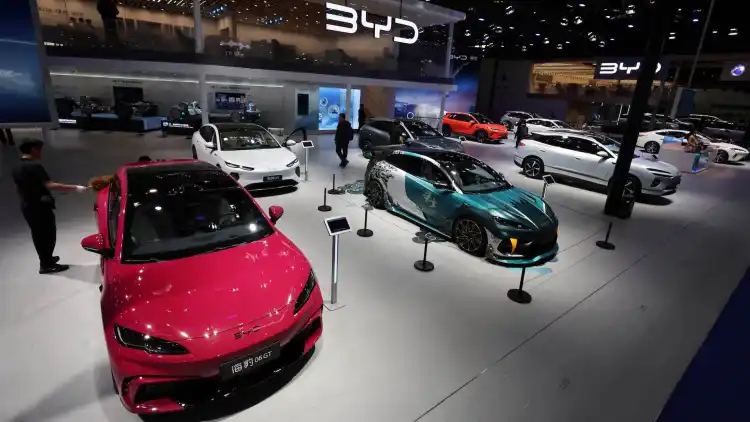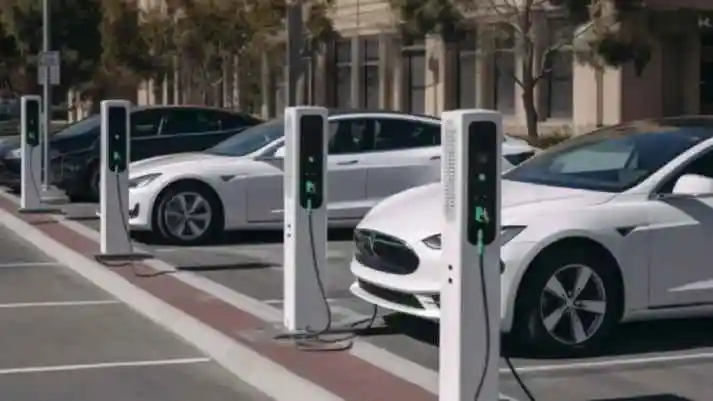

With the spread of ultra-fast charging stations across highways and major cities, it has become tempting to rely on them all the time to refill your EV battery in minutes instead of hours. But carmakers and battery experts clarify that this type of charging is primarily designed for long trips and exceptional situations — not as a permanent alternative to slow AC charging or overnight home charging.
The basic idea is simple: the higher the charging power, current, and heat, the greater the thermal and chemical stress on the battery cells — which may accelerate aging if fast charging is used excessively and repeatedly.
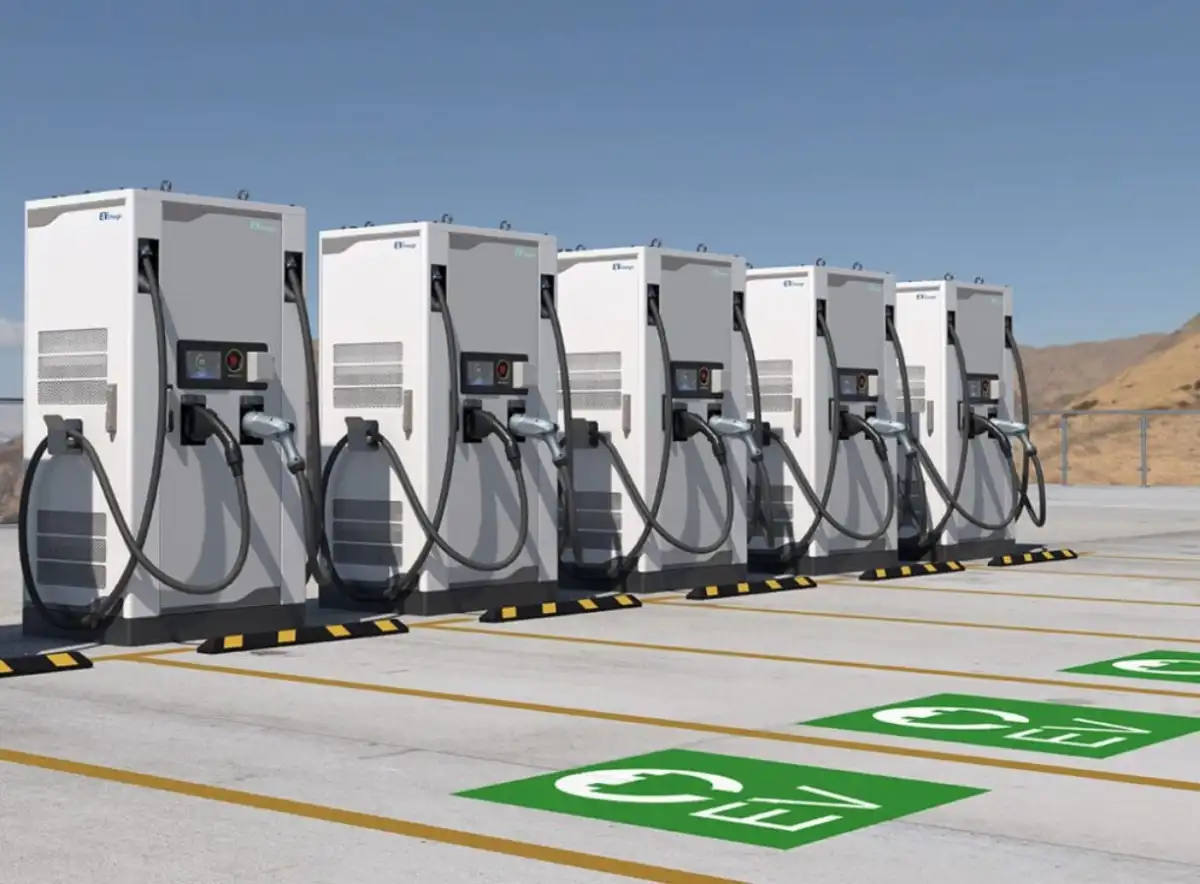
What Is Ultra-Fast Charging… and How Is It Different from Regular Charging?
Slow/Home Charging (AC):
Typically from 3.7 kW up to 11–22 kW in some home or public AC chargers.
Suitable for overnight charging or long stops at work or malls.
Charges the battery slowly while maintaining balanced temperatures.
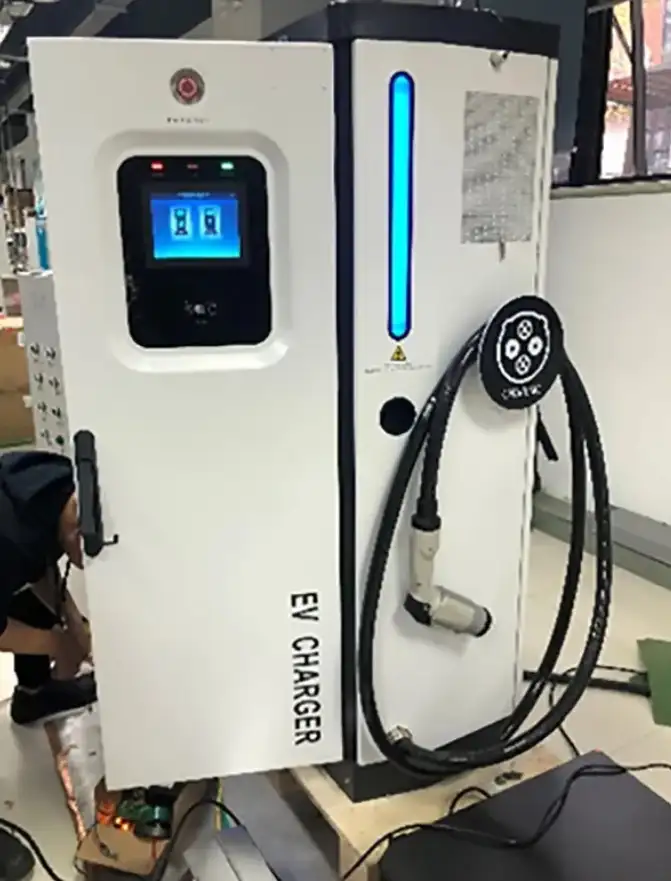
Ultra-Fast Charging (DC Fast / Supercharging):
Usually starts from 50 kW and can reach 150–350 kW or more in modern networks.
Converts AC to DC outside the vehicle and pushes high power directly into the battery, allowing charging from 10–80% in 20–40 minutes depending on the model.
The key technical difference: fast charging significantly raises current and voltage, which means higher heat inside the cells and inside the Battery Management System (BMS), which attempts to keep temperatures under control.
What Do Carmakers and Battery Experts Say?
Most companies state that using the fast-charging capacity recommended for the vehicle is “safe” and does not void the warranty, as long as the owner uses approved charger types.
However, many technical guides advise using fast charging as “part of your usage pattern, not the default,” meaning during travel or emergencies, while relying on slow or home charging in daily life.
Battery lab experts, who test cells over thousands of cycles, typically observe:
Cells that are frequently fast-charged at high power and kept at high states of charge (close to 100%) tend to lose more capacity over time compared to cells charged mostly at moderate power within a 20–80% state-of-charge window.
When Is Fast Charging Truly Beneficial?
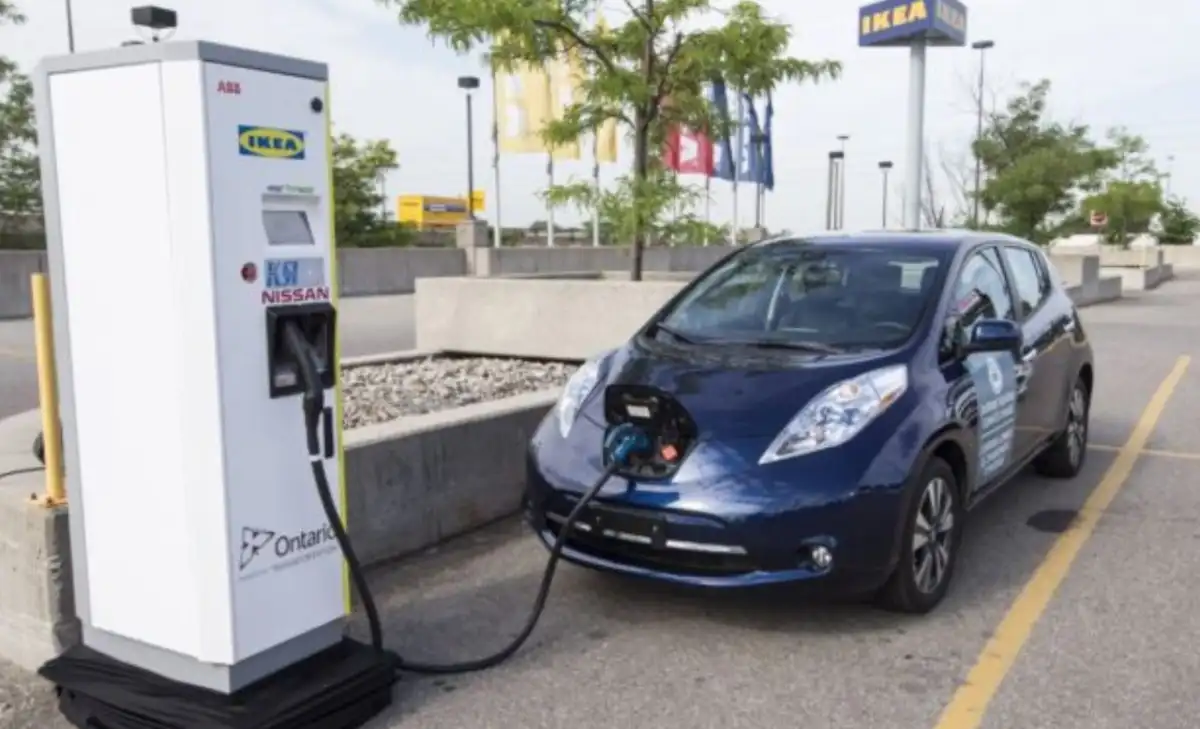
Long trips between cities or countries where you need quick charging to continue without long stops.
Emergencies: important appointments, health situations, travel delays, etc.
When home or slow charging is unavailable, and you depend on public chargers — choosing mid-power chargers when time allows.
In these scenarios, the time savings offered by 150–300 kW chargers are real and noticeable, especially in Gulf climates where waiting in a stationary car for long periods isn’t comfortable.
When Can Excessive Fast Charging Harm Battery Life?
Using fast chargers almost daily instead of calm overnight charging.
Charging at high power from relatively high states of charge (like 50→100%) repeatedly, which stresses the cells in the upper SOC range.
Frequent fast charging in very hot weather without effective thermal management, raising internal temperatures and accelerating electrolyte degradation.
Long-term effects may include:
Faster reduction in Battery “State of Health” (SOH) and usable capacity.
Slight increase in internal resistance, reducing charging/discharging efficiency.
Potential reduction in resale value if battery health reports show degradation above average.
What Does the Battery Management System (BMS) Monitor?
Modern BMS systems are sophisticated; they control:
How much power the battery accepts at different SOC levels (e.g., reducing power after 60–70% in many models).
Cell temperatures, activating liquid or air cooling to keep them within a safe window.
Blocking high-power charging if the battery is too cold or too hot, or if capacity/health has declined after years of use.
This means your car tries to protect the battery — but it cannot eliminate the effects of your charging habits altogether.
Expert Opinions: The Golden Rule of EV Ownership
Many battery engineers summarize it simply: “Use fast charging when you need it, not just because it’s available.”
Some experts recommend that most charging should be at moderate power (AC home or public), reserving fast charging for travel or limited weekly use — especially if you plan to keep the car for years.
Others note that many modern EVs are designed to handle reasonable amounts of fast charging without dramatic degradation, so there’s no need to panic about every DC session — the goal is smart use, not total avoidance.
Key Points Summarizing the Differences
Slow Charging (AC):
Best for long-term battery health, especially between 20–80%.
Cheaper in many markets, often powered by renewable energy at home or work.
Fast Charging (DC):
Ideal for travel and emergencies; saves significant time on long trips.
Causes higher thermal and chemical stress if heavily relied upon.
Optimal Charging Pattern for Most Owners:
Slow/night charging or workplace charging as the routine.
Fast charging as needed (travel, limited time, special circumstances).
Slow vs. Ultra-Fast Charging for EVs
Should You “Supercharge” All the Time?
Short answer: No.
You should not rely on ultra-fast charging all the time — but it is an extremely powerful tool when used at the right time.
A smart EV owner keeps slow/home charging as the daily routine, and uses fast charging for travel or special circumstances — achieving the best balance between convenience, battery longevity, and long-term cost.