
- Dealer vs. DIY: A Cost Breakdown for BYD and NIO Vehicles
- Advantages and Challenges of Each Approach
- Key Considerations for BYD and NIO Owners
- FAQ
Owning an electric vehicle (EV) from brands like BYDEgypt BYDUAE BYDKSA BYDBahrain BYDKuwait BYDOman BYDQatar BYD or NIOBahrain NioEgypt NioKSA NioKuwait NioOman NioQatar NioUAE Nio means embracing cutting-edge technology and a greener lifestyle. But when it comes to maintenance, many owners find themselves at a crossroads. Should you take on the challenge of DIY maintenance, or rely on authorized dealers for professional care? In this guide, we’ll explore the costs, benefits, and potential risks to help you make a well-informed decision.
Dealer vs. DIY: A Cost Breakdown for BYD and NIO Vehicles
Maintenance for EVs like BYD and NIO models is generally less frequent and costly than traditional internal combustion engine vehicles. This is largely because electric cars have fewer moving parts and don’t require components like engine oil or timing belts. However, the choice between DIY and dealer maintenance significantly impacts how much you spend and the long-term reliability of your vehicle.
Dealer Maintenance Costs
Choosing dealer maintenance means trusting your vehicle to experienced technicians who are familiar with EV-specific systems, components, and software. Here’s an overview of what this involves:
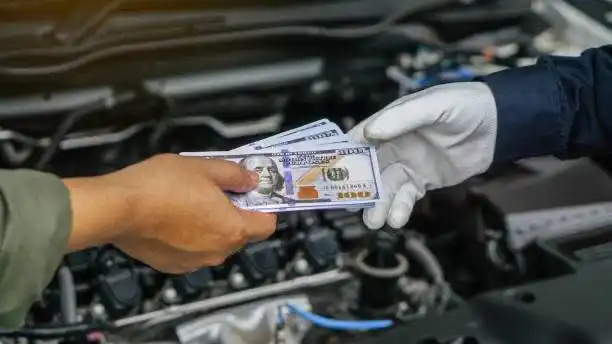
Labor Costs: Dealerships tend to charge higher fees due to certified technicians and advanced diagnostic tools tailored for your BYD or NIO vehicle. These professional-grade services can provide thorough, accurate, and precise results.
Software and Battery Updates: BYD and NIO frequently release necessary updates to optimize overall performance. These updates are generally part of your visit to the dealership, which adds value to the service cost.
Maintaining Warranty Compliance: Regular servicing at authorized dealers is often required to uphold warranty conditions, which makes these visits particularly important within the warranty period.
Estimated Dealer Costs
Below is a typical breakdown of dealer maintenance expenses. Prices may vary depending on your region and specific car model:
Annual Service Check: AED 750 - AED 1,470 / SAR 750 - SAR 1,470
Battery Diagnostics: Sometimes included or AED 185 - AED 365 / SAR 185 - SAR 365
Software Updates: Generally included as a complimentary service
DIY Maintenance Costs
For many vehicle owners, performing maintenance at home is not only a money-saving option but also an enjoyable experience. If you are technically inclined and ready to invest time and resources, DIY can be rewarding. However, EVs like those from BYD and NIO pose certain challenges:
Tool Investment: EV-safe tools can be expensive initially. Voltmeters, insulated wrenches, and diagnostic readers are commonly needed for tasks.
Parts Accessibility: Finding authentic parts for BYD or NIO can be tricky, especially for EV-specific components such as inverters or high-voltage batteries. Generic, non-branded substitutes may lower costs, but they pose a reliability risk.
Skills Matter: Some maintenance tasks, like tire rotations or windshield wiper replacements, are straightforward. More complex procedures, like battery module adjustments, may be out of reach without extensive training.
DIY Cost Snapshot
Here’s what you might spend taking care of your EV on your own:
Annual Service Check: AED 185 - AED 550 / SAR 185 - SAR 550
Battery Diagnostics: AED 185 - AED 365 / SAR 185 - SAR 365 (tools investment required)
Software Updates: Typically unavailable to DIYers

Advantages and Challenges of Each Approach
Whether you choose DIY maintenance or go the dealership route, each has distinct pros and cons. Understanding these can help you make the best decision for your BYD or NIO.
Pros of Dealer Maintenance
Dealerships offer unparalleled expertise in handling EVs.
Regular servicing at authorized dealers ensures warranty compliance, which means fewer out-of-pocket costs for major failures during the warranty period.
You gain access to genuine software updates and authentic parts.
Cons of Dealer Maintenance
Higher Costs are a significant downside. From labor fees to additional diagnostics, the expense can add up quickly.
Scheduling and Availability could be limiting. You may have to wait weeks for an appointment.
Pros of DIY Maintenance
Opting for DIY allows substantial savings on labor fees, which often make up the bulk of dealership costs.
You have total control and flexibility to perform maintenance when it’s most convenient for you.
Working on your vehicle lets you learn more about its mechanics.
Cons of DIY Maintenance
Mistakes made during repairs might void warranties, leaving you exposed to high repair bills.
Some areas, such as software updates, are only available through dealers, limiting your ability to optimize the car’s technology.
Safety risks are higher if you don’t fully understand the complexities of EV systems.
Key Considerations for BYD and NIO Owners
Here are some factors to think about when deciding between dealer and DIY maintenance for your EV:
Warranty Compliance: Does your vehicle’s warranty require you to visit an authorized dealer?
Technical Skill Level: Are you comfortable handling advanced systems, or would you rather leave it to the professionals?
Age of the Car: Newer models may have policies restricting DIY maintenance options, while older models may benefit more from personalized repairs.
Part Accessibility: Are you able to find genuine, high-quality components for essential repairs?
FAQ
Is DIY maintenance safe for BYD or NIO vehicles?
Basic tasks such as tire rotations or filter replacements can be safely performed if you follow proper procedures. More advanced tasks like battery calibrations or circuitry adjustments are better left to professionals.
Will servicing my BYD or NIO at a dealer protect my warranty?
Yes, in most cases. BYD and NIO warranty conditions often specify that repairs and maintenance must be done at authorized dealers.
What’s the biggest financial difference between DIY and dealer maintenance?
Labor costs play a major role. By handling tasks yourself, you can avoid paying for dealership labor. However, the initial investment in tools or time commitment might deter some.
Can software updates be done independently?
No, proprietary software updates for BYD and NIO vehicles must be done either at a dealership or through OTA communications facilitated by the brand.
Is it possible to service an EV battery on my own?
It’s not advisable. Batteries are complex and can be dangerous if handled improperly. Dealer technicians are trained to safely manage these systems.
By understanding your vehicle’s needs, warranty requirements, and your skillset, you can confidently choose between DIY maintenance and dealer servicing. Whether you value cost savings or professional expertise, the right decision will keep your car running smoothly and safely.
Read More:
Geely Zeekr vs XPeng: The Battle of Premium Chinese EVs