
- The Role of OTA in Chinese EVs
- Expansion of Localization Features
- Benefits of OTA Updates for Arabic Markets
- Challenges to Successful Arabic OTA Deployment
- Examples of OTAs in Action: Leading Chinese Brands
- Future Prospects for OTA and Arabic Features
- FAQ
Chinese electric car manufacturers are making waves in global markets, including the Middle East, by harnessing cutting-edge technology. One of the most remarkable advancements is the use of over-the-air (OTA) software updates. These updates provide not only regular software enhancements but also enable localization features like Arabic language support, specifically tailored for the Arabic-speaking world. This is revolutionizing the industry and enhancing customer satisfaction in the process.
The Role of OTA in Chinese EVs
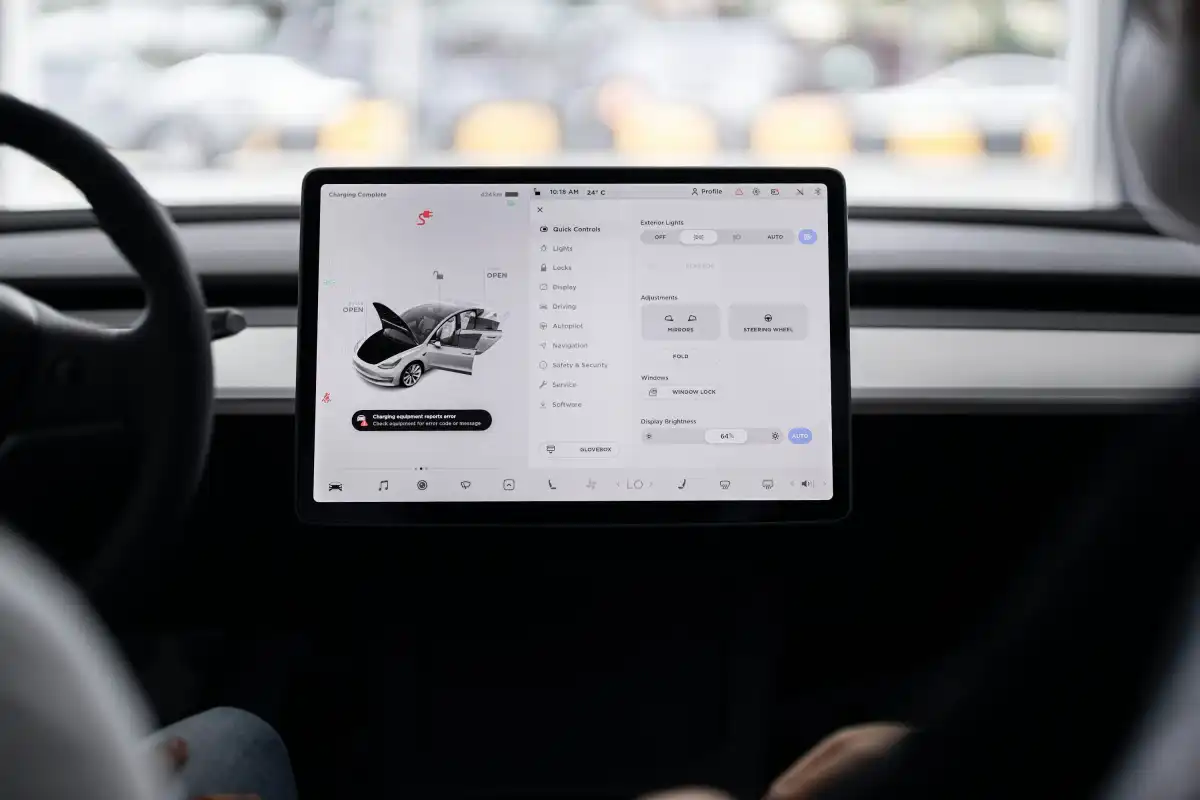
Over-the-air software updates are more than just downloads; they represent a giant leap for the automotive industry, especially in the field of electric vehicles. For Chinese EV manufacturers, OTA updates let them distribute critical software changes, address system bugs, and implement improved features—all wirelessly and effortlessly.
What Are OTA Software Updates?
OTA updates are a method of delivering software to a vehicle without requiring manual installations or visits to service centers. These updates download wirelessly through an internet connection and install directly into the car’s onboard systems. With OTAs, users benefit from the ability to stay up-to-date with the latest software improvements, including updated infotainment systems, battery performance optimizations, and new safety features.
Why Does It Matter in Arabic-Speaking Regions?
The Middle East boasts a significant number of drivers who rely on Arabic as their primary language. Catering to this demand, OTAs allow the integration of Arabic language interfaces, adjusted infotainment systems, and other region-specific features. These updates can:
Enable bilingual or even entirely Arabic-powered interfaces.
Offer navigation systems designed for Middle Eastern roads.
Integrate voice recognition that understands Arabic dialects.
By using OTA updates to provide these features quickly and efficiently, companies are ensuring a smoother and more enjoyable driving experience for users in Arabic-speaking countries.
Expansion of Localization Features
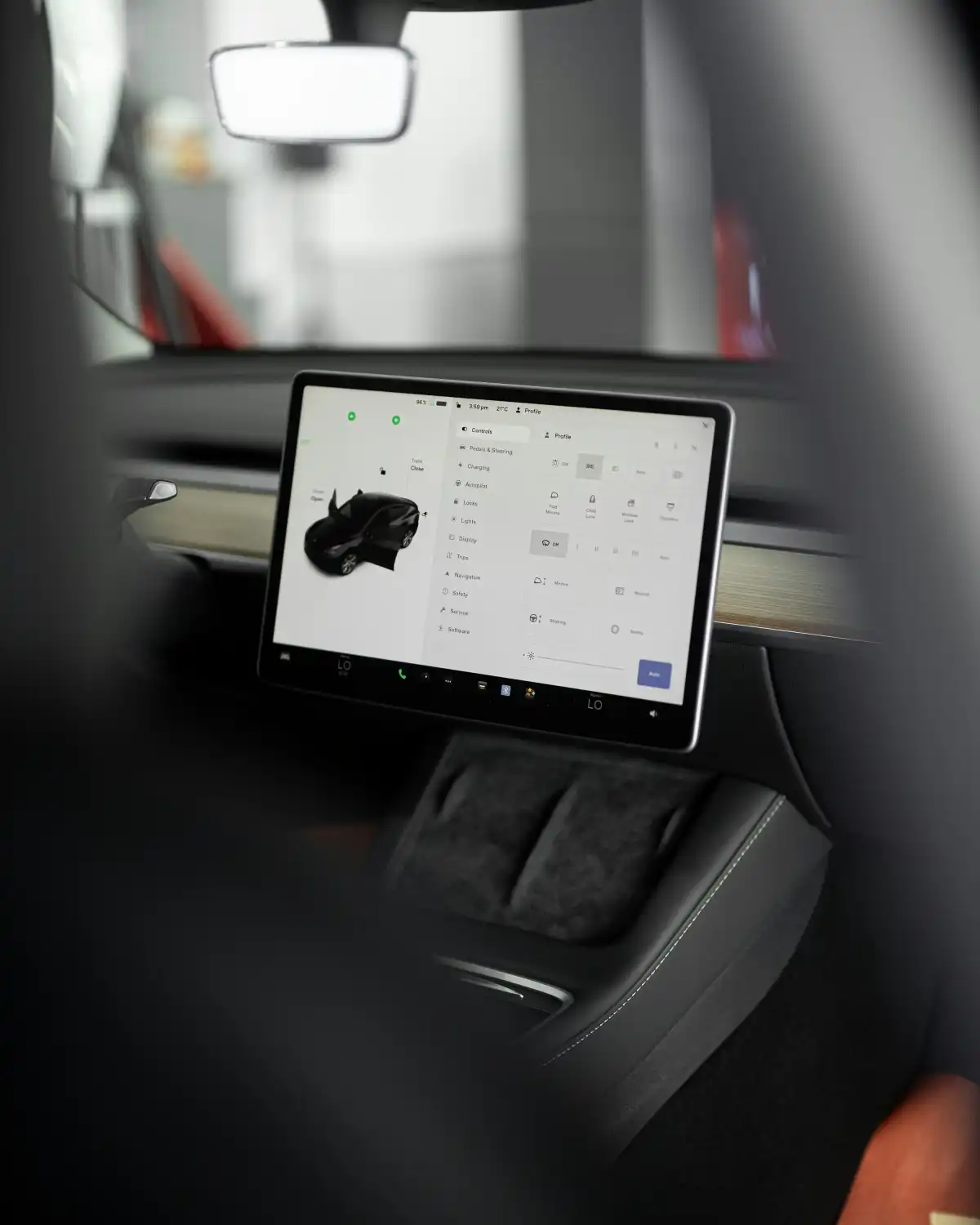
Localization isn't a buzzword—it is a necessity for any car manufacturer aiming to thrive in the global marketplace. Chinese EV brands like NIO, XPeng, and BYD are embracing this philosophy. Through the use of OTA technology, they ensure that their vehicles not only meet but exceed the expectations of local customers.
Key Localization Features Enabled Through OTA Technology
Chinese EV manufacturers are fine-tuning their vehicles to cater to Arabic-speaking users through several unique advancements:
Arabic Language Support: Interfaces and control systems that allow users to operate in their native tongue enhance comfort significantly.
Navigation Tailored to the Region: Address-based navigation optimized for cities, highways, and rural routes in the region.
Cultural Relevance: Features like prayer time reminders, Islamic calendar integration, and options for halal alerts.
These developments are delivered over-the-air, making it possible to roll them out quickly without disrupting the manufacturing or sales pipeline.
Benefits of OTA Updates for Arabic Markets
When it comes to adapting vehicles to local markets, OTA updates offer several benefits that are particularly impactful for Arabic-speaking regions:
Efficiency: Updates arrive directly through the car’s connectivity without the hassle of scheduling dealership visits.
Cost Savings: Owners won’t need to pay extra for hardware overhauls; software solutions are much easier to upgrade.
Future-Ready Technology: Future updates can build upon the current software, including meaningful linguistic improvements or added regional features.
With these advantages, OTA updates allow EV manufacturers to be flexible and better respond to the demands of drivers in these regions.
Challenges to Successful Arabic OTA Deployment
As promising as OTA technology is, implementing it in Arabic-speaking regions isn’t without its challenges. Some of the most notable obstacles include:
Complexity of Arabic Text: Arabic scripts read from right to left and often require a complete overhaul of standard user interfaces.
Uneven Connectivity: Many Middle Eastern areas lack reliable high-speed internet, making the downloading of OTA updates difficult in some regions.
Regulatory Issues: Each country in the region has different compliance rules for digital technology, which manufacturers must follow.
Addressing these concerns will be essential as more EV manufacturers aim to dominate Arabic-speaking markets.
Examples of OTAs in Action: Leading Chinese Brands
Chinese EV manufacturers are setting benchmarks in OTA technology and localization with successful case studies in Arabic-speaking regions. Here are some notable examples:
NIO: The company allows drivers to activate or deactivate Arabic-specific features in the infotainment system seamlessly.
BYD: Known for refining navigation systems, BYD has recently deployed a region-focused update that enhances Arabic maps and directions.
XPeng: The brand's voice assistant software is advancing rapidly, now capable of understanding and processing Arabic commands like setting destinations or playing music.
These upgrades make Chinese EVs more appealing and relevant in Middle Eastern markets.
Future Prospects for OTA and Arabic Features
Looking ahead, we can anticipate even more exciting updates to Chinese EVs via OTA technology in the Arabic-speaking world. Here’s what’s on the horizon:
Enhanced Safety Features: Arabic-specific alerts with intuitive icons for road signs and warnings in Arabic text.
Advanced AI Integration: Upgrades that fine-tune AI systems to understand regional dialects or help with speech-driven tasks in Arabic.
Personalized Features: From tailored playlists to custom health-related apps or alerts for fasting hours, the future looks personalized and local.
By embracing these prospects, Chinese electric vehicles are positioning themselves as leaders in an expanding and thriving EV market.
FAQ
How frequent are OTA updates?
Chinese EV manufacturers usually update quarterly, but emergency or critical updates can happen more frequently.
Is full Arabic support available in all Chinese EVs?
Not all vehicles currently offer full Arabic support, but major brands are steadily making progress.
Does OTA require speedy internet?
While regular mobile networks can handle most updates, large downloads are ideally done over a stable Wi-Fi connection.
Are OTA updates free?
Most essential updates are free, though some premium features may require extra payments.
Can users opt out of OTA updates?
Yes, opting out is usually an available option, though some updates may be mandatory for compatibility reasons.
As Chinese EVs continue their global journey, their adaptability, especially to Arabic-speaking regions, underscores their commitment to innovation and customer satisfaction.
Read More:
Is Made-in-China Still a Concern for EV Buyers in 2026?