
- Why Inspecting a Used Car Matters
- Preparing for the Inspection
- Exterior Inspection
- Interior Inspection
- Engine and Performance Inspection
- Valuation and Negotiation Tips
- FAQ
Purchasing a used car can be a smartUAE Smart and cost-effective choice, but it requires careful evaluation to ensure you get good value for your money. Understanding how to properly inspect a used car can save you from expensive repairs and potential safety hazards later on. By following this guide, you can confidently assess whether a car is worth buying, whether for daily commuting or long-term use.
Why Inspecting a Used Car Matters
Looking at a used car isn’t just about its appearance or a quick test drive; it's about making sure you're making a sound investment. Inspecting a car thoroughly helps you detect hidden problems that may lead to high repair costs or even compromise your safety. Whether it’s discovering signs of poor maintenance, undisclosed accidents, or potential mechanical failures, this process ensures you know what you’re buying. A detailed inspection can also protect you from paying more than what the car is worth, helping you negotiate smartly.
Preparing for the Inspection
When inspecting a used car, preparation is key. Getting organized beforehand will make the process thorough and efficient.
Research the Car's History
Understanding the car’s past is crucial to evaluating its current condition. Start by running a Vehicle Identification Number (VIN) check through trusted services such as CARFAX or AutoCheck. These services reveal essential details such as:
Accident history and repairs.
Ownership records and title issues.
Service history and past maintenance.
While these reports offer valuable insights, remember they might not capture every incident. Pair this step with a physical inspection to cover your bases.
Gather the Right Tools
Having the right tools for your car inspection ensures you don’t overlook key areas. Here’s what you’ll need:
A bright flashlight to check under the hood, in corners, and inside dark compartments.
A magnet to detect hidden body filler used in poor-quality repairs.
A notebook and pen to jot down observations and take note of potential issues.
A cell phone or camera to record images of problem areas.
Schedule the Right Time for Inspection
Always arrange to inspect the car during the day, preferably under direct sunlight. Natural light makes it easier to spot imperfections in the paint, scratches, or dents. Also, request that the car hasn’t been started or driven immediately before your arrival. Cold starts often reveal engine problems that otherwise might be concealed.
Exterior Inspection
Once you’re ready to inspect the used car, start with its exterior. The car’s outward appearance often gives clues about its history and maintenance routine.
Tires and Wheels
Tires and wheels are more than just cosmetic features; they indicate the car’s overall condition.
Examine each tire for uneven wear or noticeable damage. Uneven wear can signal suspension, steering, or alignment issues.
Check that all tires are the same brand and size, which reflects proper upkeep by the previous owner.
Confirm tire tread depth and age. Bald or old tires may require immediate replacement.
Body Condition
Car body damage is sometimes hard to detect, so look closely for the following:
Scrutinize the car for dents, dings, or scratches.
Look for rust spots, especially near wheel wells, doors, and the underside of the vehicle.
Inspect the paint finish. Uneven or mismatched paint may indicate repairs from collisions.
Use your magnet to test for hidden repairs. If the magnet doesn’t stick, the area may be covered with filler.
Lights and Windows
Functional lights and intact windows are essential for safety:
Test all exterior lights, including headlights, brake lights, turn signals, and hazard lights.
Inspect the windows and windshield for cracks, chips, or scratches that could worsen over time. Don’t forget to check window operation.
Interior Inspection
The car’s interior provides more than comfort—it also indicates the care it has received over the years.
Seats and Upholstery
Examine the condition of seats and interior materials thoroughly:
Check for tears, stains, odors, or discolored spots on the upholstery and carpets.
Test all seat adjustment levers and mechanisms to ensure smooth operation.
Dashboard and Electronics
Cars today come with advanced electronics, so check all systems thoroughly:
Turn on the ignition and inspect the dashboard for any lingering warning lights.
Test the stereo system, navigation, and air conditioning. These features may be costly to fix if faulty.
Confirm that buttons, knobs, and switches are functioning properly.
Engine and Performance Inspection
The engine is the heart of the car, so take your time to inspect it.
Under the Hood
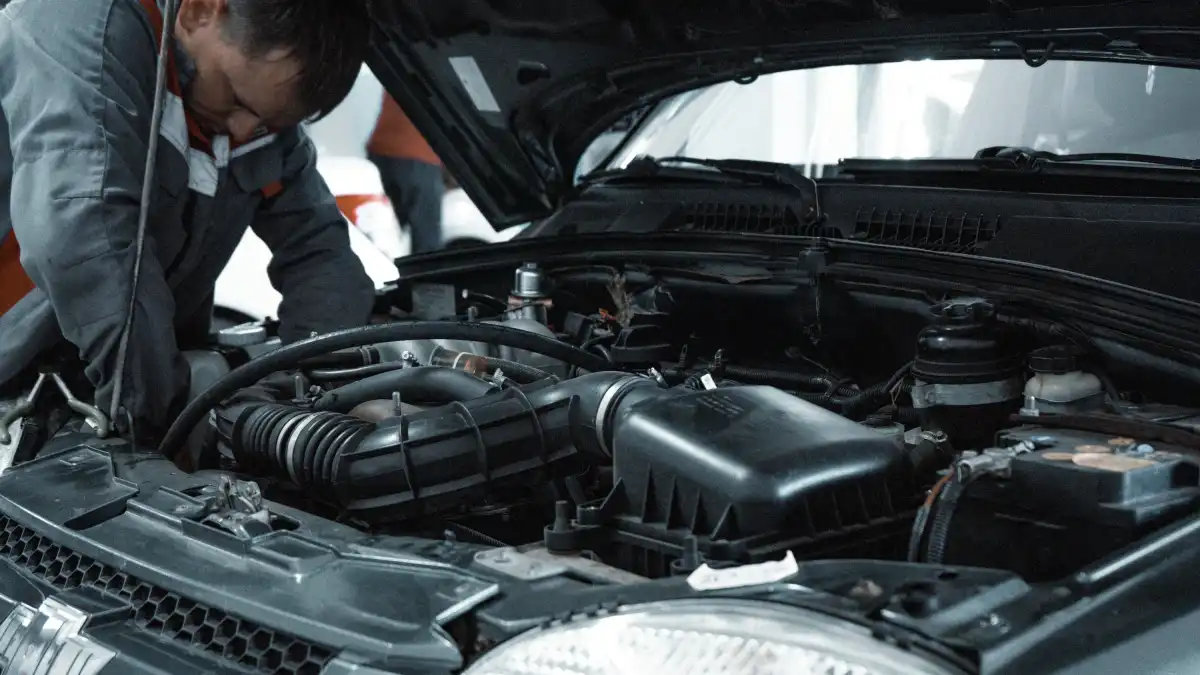
Pop the hood and examine the engine and related components:
Look at the oil level and its color. Dark, sludgy oil could indicate neglect or overdue maintenance.
Inspect belts and hoses for visible cracks, signs of wear, or leaks.
Check the battery terminals for corrosion or loose connections.
Start the Engine
Turn the ignition key and pay attention to how the car starts:
Listen carefully for any unusual sounds, such as knocking, rattling, or ticking, which may suggest engine trouble.
Watch for excessive shaking during startup; any vibration may hint at underlying issues.
Test Drive
The test drive is one of the most important parts of the evaluation process. Use this opportunity to gauge the car’s overall performance:
Drive at different speeds to assess acceleration, steering responsiveness, and alignment.
Test the brakes by applying them lightly and in emergency situations. Listen for squealing or grinding sounds.
Evaluate the suspension by driving over small bumps or uneven terrain.
Valuation and Negotiation Tips
Once your inspection is complete, it’s time to decide if the car is worth its asking price.
Compare Prices
Take the time to research prices for similar models in the market. Use automotive websites and classified ads to find cars of similar age, mileage, and condition to determine a fair price. Local car dealerships may also offer insights into competitive pricing.
Get a Professional Opinion
Whenever possible, involve a professional mechanic for a pre-purchase inspection. Their trained eye can catch details you might overlook, such as engine wear, transmission health, or hidden damages. If their report uncovers issues, it could strengthen your position to negotiate a lower price.
FAQ
How long should a used car inspection take?
A complete inspection typically takes one to two hours, especially if you include a test drive.
Can I inspect a used car without a mechanic?
Yes, you can do many basic checks yourself. However, professional expertise can be invaluable for detecting mechanical or technical issues.
What should I do if a seller refuses an inspection?
If the seller doesn’t allow an inspection, it’s a major red flag. Consider walking away from the deal as they might be hiding something.
Are online vehicle history reports reliable?
While online history reports from trusted providers like CARFAX or AutoCheck are generally reliable, they may not provide the whole picture. Combine these reports with your physical inspection.
Should I buy a used car with high mileage?
High mileage should not automatically disqualify a car. If the car was well-maintained and has detailed service records, it may still offer good value.
Read More:
BYD Blade Battery: Why It Is Called the Safest EV Battery
Fast Charging Compatibility: CCS2, GB/T and What Works Where
Range Test: Chinese EVs in Real UAE Driving Conditions (AC On)