
- Why Coolant Level Matters
- What You Will Need
- Step-by-Step: How to Check Coolant Level
- When to Flush and Replace Coolant
- FAQ
- Conclusion
Why Coolant Level Matters
Engine coolant, also known as antifreeze, regulates your engine's temperature. It absorbs heat from the engine and releases it through the radiator. Low coolant levels can cause overheating, head gasket failure, and catastrophic engine damage. In the extreme heat of the Middle East, maintaining proper coolant levels is absolutely essential.
What You Will Need
- Correct coolant type for your vehicle (check owner's manual)
- Clean rag
- Flashlight (optional)
Step-by-Step: How to Check Coolant Level
Step 1: Ensure the Engine Is Cold
Never open the coolant reservoir or radiator cap when the engine is hot. Pressurized hot coolant can spray out and cause severe burns. Wait at least 30 minutes after driving before checking.
Step 2: Locate the Coolant Reservoir
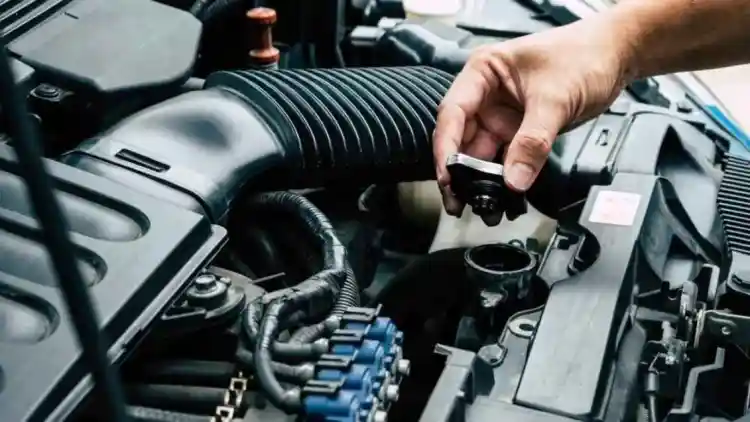
Open the bonnet and find the coolant reservoir. It is a translucent plastic tank, usually white or yellow, with markings for minimum and maximum levels. The cap may have a warning label about hot pressure.
Step 3: Check the Fluid Level
The coolant level should be between the "Min" and "Max" lines on the side of the reservoir. If it is below "Min", you need to add coolant.
Step 4: Inspect Coolant Condition
Healthy coolant is brightly colored, usually green, orange, pink, or blue, depending on the type. Cloudy, rusty, or oily coolant indicates contamination and requires a system flush.
Step 5: Top Up If Needed
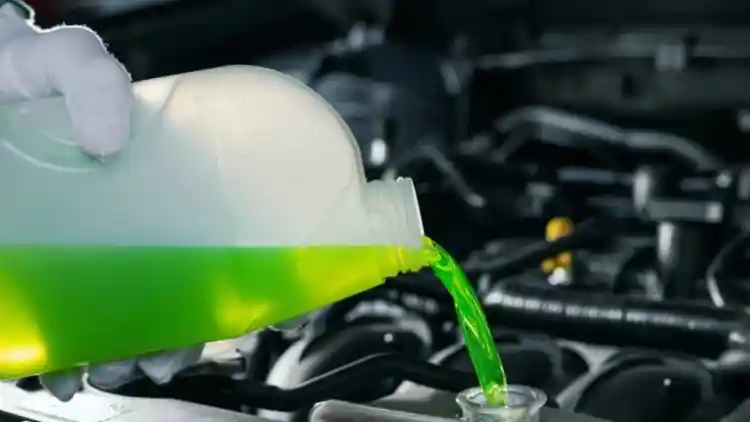
If the level is low, remove the reservoir cap and add the correct coolant type until it reaches the "Max" line. Use a 50/50 mix of coolant and distilled water unless using pre-mixed coolant.
When to Flush and Replace Coolant
Most manufacturers recommend a coolant flush every 40,000 to 60,000 kilometers or every two to three years. In hot climates, consider more frequent changes. Old coolant loses its anti-corrosion properties and can damage the radiator and water pump.
FAQ
Can I use water instead of coolant?
In an emergency, plain water can get you to a repair shop. However, water lacks anti-corrosion and anti-freeze properties. Always replace it with proper coolant as soon as possible.
What color should my coolant be?
Coolant color varies by type: green for traditional ethylene glycol, orange for organic acid technology, pink for hybrid organic acid technology, and blue for some Asian vehicles. Never mix different coolant types.
Why is my coolant level dropping?
A gradual drop may indicate a small leak in the radiator, hoses, or water pump. A sudden drop suggests a major leak or head gasket failure. Have the system pressure-tested by a mechanic.
Can I open the radiator cap when warm?
Absolutely not. Opening a hot radiator cap can release scalding steam and coolant under pressure. Always wait for the engine to cool completely.
How do I know if my engine is overheating?
Watch for the temperature gauge climbing into the red zone, steam from under the bonnet, or a burning smell. If any occur, pull over safely, turn off the engine, and wait for it to cool before checking coolant.
Is coolant the same as antifreeze?
Antifreeze is the concentrated chemical, while coolant is the mixture of antifreeze and water. In common conversation, the terms are often used interchangeably.
Conclusion
Checking your coolant level takes seconds and can prevent thousands of dollars in engine damage. Make it a weekly habit during summer months, and always carry spare coolant on long drives.