
- Why Checking Your Engine Oil Matters
- What You Will Need
- Step-by-Step: How to Check Your Engine Oil
- How to Top Up Your Engine Oil
- Common Mistakes to Avoid
- When to Change vs. Top Up
- FAQ
- Conclusion
Why Checking Your Engine Oil Matters
Engine oil is the lifeblood of your vehicle. It lubricates moving parts, reduces friction, cools the engine, and prevents premature wear. Driving with low or dirty oil can cause severe engine damage and costly repairs. In hot climates like the Middle East, oil breaks down faster, making regular checks even more essential.
Most manufacturers recommend checking your oil at least once a month or before long trips. The process takes less than five minutes and requires no special tools.
What You Will Need
- Clean rag or paper towel
- Correct grade of engine oil (check your owner's manual)
- Funnel (optional but recommended)
- Level ground to park your vehicle
Step-by-Step: How to Check Your Engine Oil
Step 1: Park on Level Ground and Turn Off the Engine
Park your car on flat ground and switch off the engine. Wait at least five to ten minutes to allow the oil to drain back into the sump. Checking immediately after driving will give an inaccurate reading.
Step 2: Open the Bonnet and Locate the Dipstick
Pull the bonnet release lever inside your car, then secure the bonnet with the prop rod. Look for the dipstick, which usually has a brightly colored handle (often yellow or orange) near the front of the engine.
Step 3: Remove and Clean the Dipstick
Pull the dipstick out completely and wipe it clean with a rag or paper towel. This removes old oil so you can get an accurate reading.
Step 4: Reinsert and Remove Again to Check the Level
Push the dipstick all the way back in, wait a moment, then pull it out again. Look at the oil level on the end of the dipstick. It should sit between the "Min" and "Max" marks. If it is below "Min", you need to add oil.
Step 5: Check the Oil Condition
While checking the level, observe the oil color and texture. Fresh oil is amber and translucent. Dark, gritty, or milky oil indicates it is time for a change or that coolant may be leaking into the oil.
How to Top Up Your Engine Oil
Step 1: Find the Oil Filler Cap
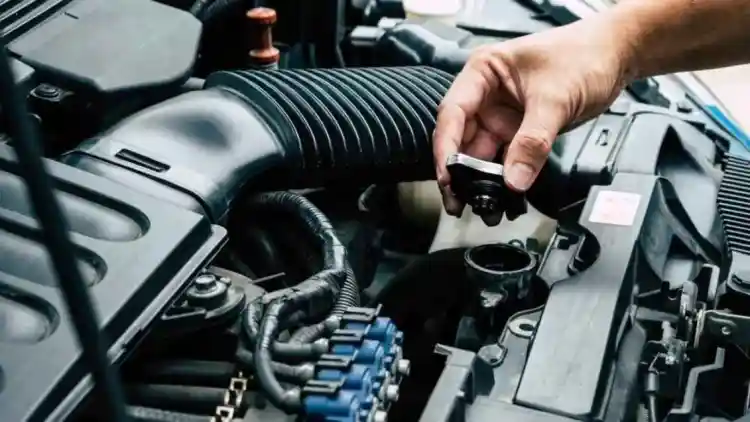
The oil filler cap is usually on top of the engine and marked with an oil can symbol. Twist it counterclockwise to remove.
Step 2: Add Oil Gradually
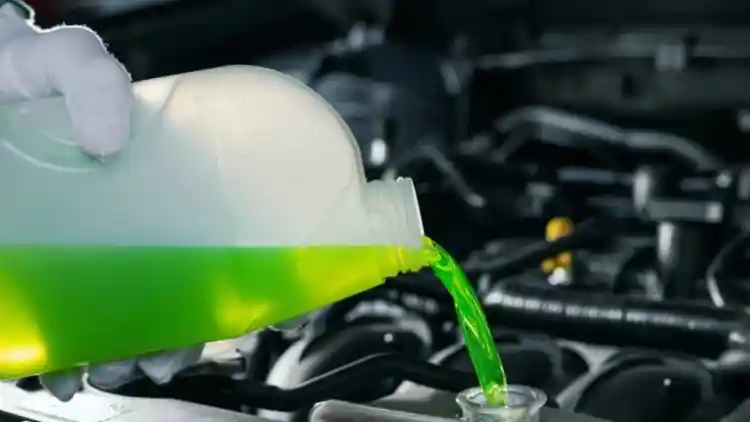
Use a funnel to avoid spills. Add small amounts of the correct oil grade, checking the dipstick every 200 to 300 milliliters. Overfilling can be as harmful as underfilling.
Step 3: Recheck the Level
Wait a minute after adding oil, then check the dipstick again. Repeat until the level reaches the middle of the "Min" and "Max" range.
Step 4: Secure the Cap and Close the Bonnet
Replace the oil filler cap firmly and ensure the dipstick is fully seated. Close the bonnet and check for any leaks.
Common Mistakes to Avoid
- Checking immediately after driving: Always wait for the oil to settle.
- Using the wrong oil grade: Check your owner's manual for the manufacturer recommendation.
- Overfilling: Too much oil can cause foaming and increased pressure.
- Ignoring oil color: Dark or contaminated oil needs changing, not just topping up.
When to Change vs. Top Up
Topping up is a temporary fix. If you find yourself adding oil frequently, there may be a leak or the engine may be burning oil. Follow your manufacturer's service interval for oil changes, typically every 5,000 to 10,000 kilometers depending on the oil type and driving conditions.
FAQ
How often should I check my engine oil?
Check your engine oil at least once a month and before any long journey. In hot climates or if your car is older, check every two weeks.
Can I drive with low engine oil?
No. Driving with low oil can cause catastrophic engine damage within minutes. If the oil warning light appears, stop safely and check the level immediately.
What oil grade should I use?
Always use the grade specified in your owner's manual. Common grades include 5W-30, 10W-40, and 0W-20. Using the wrong viscosity can reduce fuel efficiency and engine protection.
Why is my engine oil black?
Engine oil turns black as it collects dirt and combustion byproducts. This is normal, but if the oil feels gritty or smells burnt, it is time for a change.
How much oil should I add if the level is low?
Add 200 to 300 milliliters at a time, then recheck. The gap between "Min" and "Max" usually represents about one liter. Never fill above the "Max" line.
Can I mix different brands of engine oil?
In an emergency, you can mix oils of the same grade and specification. However, for best performance, use the same brand and type consistently.
Conclusion
Checking and topping up your engine oil is one of the simplest yet most important maintenance tasks you can perform. It requires no tools, takes just a few minutes, and can prevent thousands of dollars in engine repairs. Make it a monthly habit, especially in demanding climates.
For more car maintenance guides and expert advice, browse our full collection of how-to articles.