
- Engine Temperature Is More Than Just a Number
- How Does Engine Overheating Happen?
- Common Reasons Your Engine Overheats While Driving
- Warning Signs You Should Never Ignore
- What To Do If Your Engine Overheats While Driving
- Why Regular Maintenance Matters
- Never Ignore Engine Overheating
Engine Temperature Is More Than Just a Number
An engine running hot while driving may seem like a minor issue at first, but excessive heat inside the engine bay is often a warning sign of a serious mechanical problem. Overheating affects performance, shortens engine lifespan, and—if ignored—can lead to major and costly damage.
How Does Engine Overheating Happen?
Engines naturally generate heat during operation. The problem begins when this heat is not dissipated efficiently. In most cases, overheating is caused by a malfunction within the cooling system, which is designed to carry heat away from the engine and release it through the radiator.
The cooling system relies on coolant circulating through the engine via the water pump, then flowing into the radiator where heat is transferred to the surrounding air. Any disruption in this cycle allows heat to build up rapidly inside the engine.
Common Reasons Your Engine Overheats While Driving
Main Cause | Explanation |
|---|---|
Low or leaking coolant | Insufficient coolant reduces the system’s ability to absorb and disperse heat |
Faulty water pump | A failed pump prevents coolant from circulating properly |
Stuck thermostat | A malfunctioning thermostat can block coolant flow |
Clogged or damaged radiator | Restricted airflow or internal blockage limits heat dissipation |
Cooling fan failure | Non-functioning fans reduce airflow through the radiator |
Low engine oil level | Oil helps reduce friction and carry heat away from engine components |
Warning Signs You Should Never Ignore
Engine overheating is usually accompanied by clear warning signals, including:
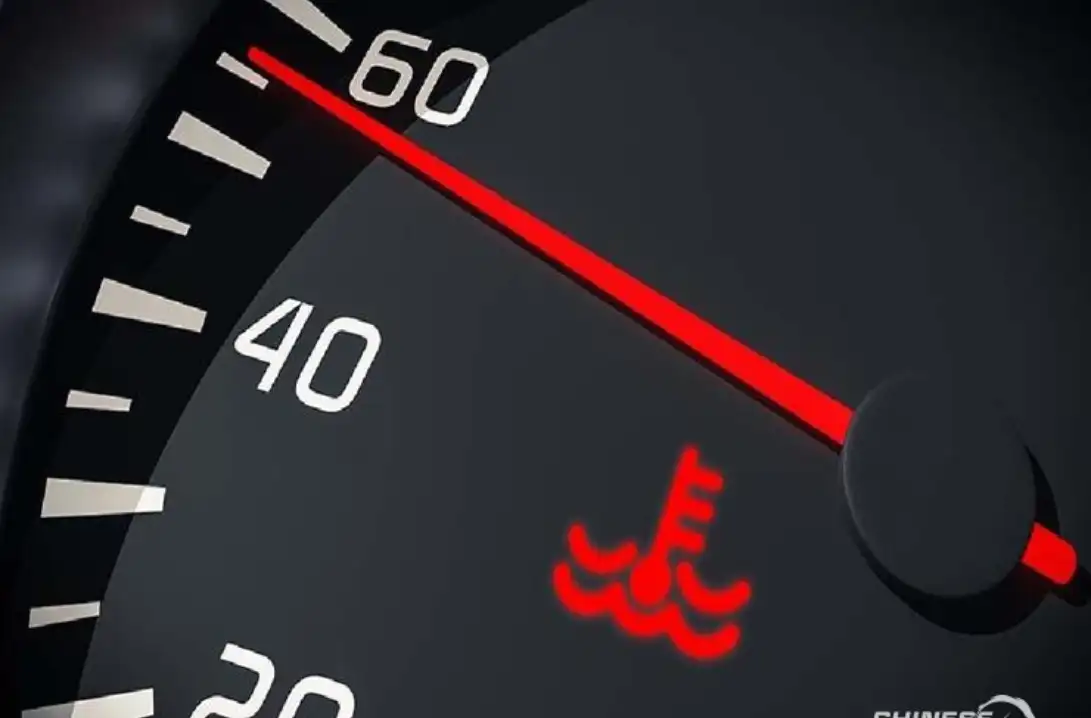
Temperature warning light on the dashboard
The temperature gauge rising toward the red zone
Steam coming from under the hood
Burning smells or a sweet coolant odor
These symptoms indicate the cooling system is no longer operating efficiently and should be addressed immediately.
What To Do If Your Engine Overheats While Driving
If you notice the temperature rising beyond normal levels:
Pull over safely and turn off the engine immediately.
Continuing to drive can cause severe internal damage.Allow the engine to cool down completely.
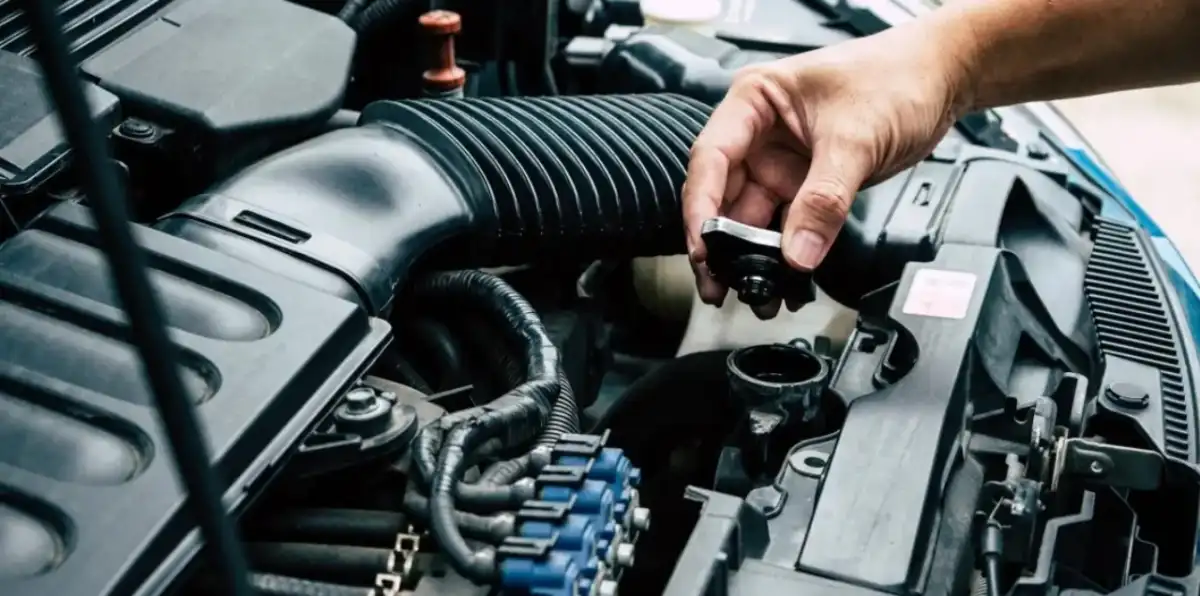
Never open the radiator cap or coolant reservoir while the engine is hot.Check coolant levels once the engine has cooled.
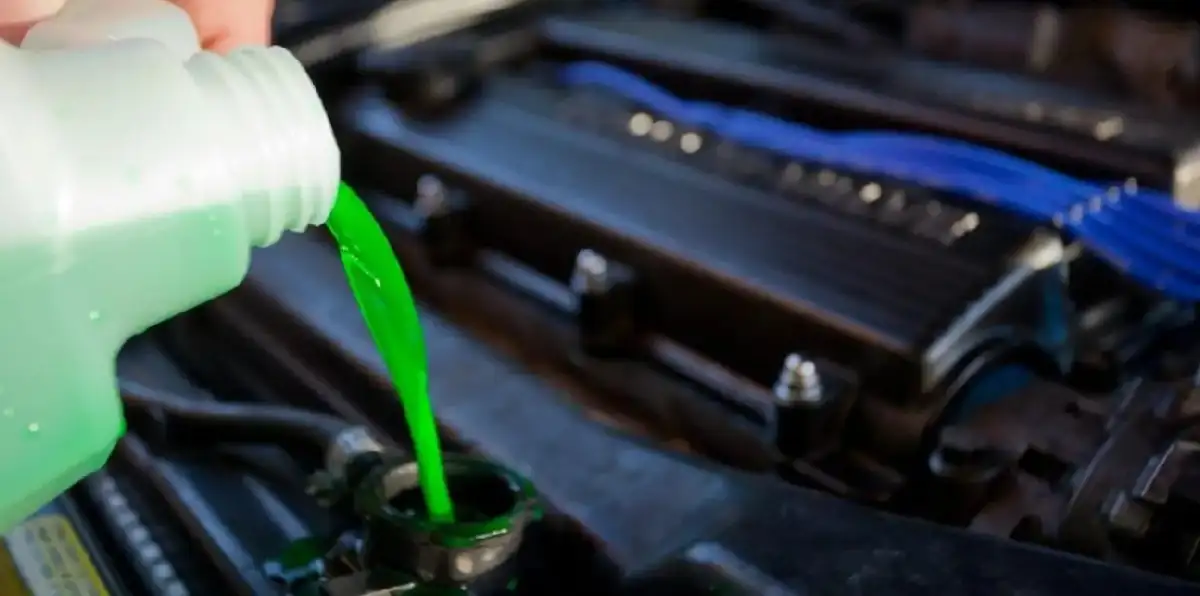
Refill only with the manufacturer-recommended coolant mixture if levels are low.Visually inspect hoses and the radiator.
Look for leaks, cracks, or visible blockages.Seek professional help if the issue persists.
Problems involving the water pump or thermostat require expert repair.
Why Regular Maintenance Matters
Routine inspection of the cooling system significantly reduces the risk of unexpected overheating. Preventive maintenance should include:
Checking coolant levels regularly
Replacing coolant at manufacturer-recommended intervals
Cleaning the radiator and ensuring cooling fans work properly
Monitoring hoses and seals for leaks
These simple steps are especially important in hot climates or during long-distance driving, where engines operate under greater thermal stress.
Never Ignore Engine Overheating
An overheating engine while driving is not just a dashboard warning—it’s a clear indication of a cooling system failure or mechanical issue. Understanding common causes such as coolant loss, water pump failure, or radiator problems allows you to respond quickly and prevent extensive damage. Timely action can save both your engine and your repair budget.