

- Why Do These Unique Wear Patterns Happen?
- Practical Maintenance Tips for Chinese EV Owners
- Why Understanding Wear Patterns Matters
- FAQ
Electric vehicles (EVs) have become increasingly popular, especially in China, thanks to technological advances and affordability. However, they come with their own sets of challenges, particularly concerning the wear patterns of tyres, brakes, and suspension systems. Understanding these issues can help owners maintain their cars better and avoid costly repairs. Let’s get into the details and learn how to handle these unique maintenance concerns.
Tyres, Brakes, and Suspension on Chinese EVs?
Chinese EVs are designed to be efficient, budget-friendly, and user-centric, which makes them very appealing. However, the focus on affordability can sometimes lead to wear and tear that differs significantly from internal combustion engine (ICE) vehicles and even other EV models. Each component—tyres, brakes, and suspension systems—has distinct quirks:
Tyres on Chinese EVs
Chinese EVs, like other electric cars, rely on tyres heavily to handle the weight and performance demands unique to EVs. But the details matter, especially for Chinese models:
Faster Tread Wear: Electric cars house heavy batteries that add extra weight. When paired with the instant torque produced by EV engines, this leads to faster tyre degradation, especially on the drive wheels.
Cost-Effective Design: Many Chinese EV manufacturers use tyres that prioritize affordability over premium durability. This trade-off can accelerate wear, especially for drivers logging high mileage daily.
Alignment Issues: EV-specific designs can lead to frequent alignment challenges, where tyres don’t wear evenly. Regular alignment inspections can counteract these issues.
Brake Wear on Chinese EVs
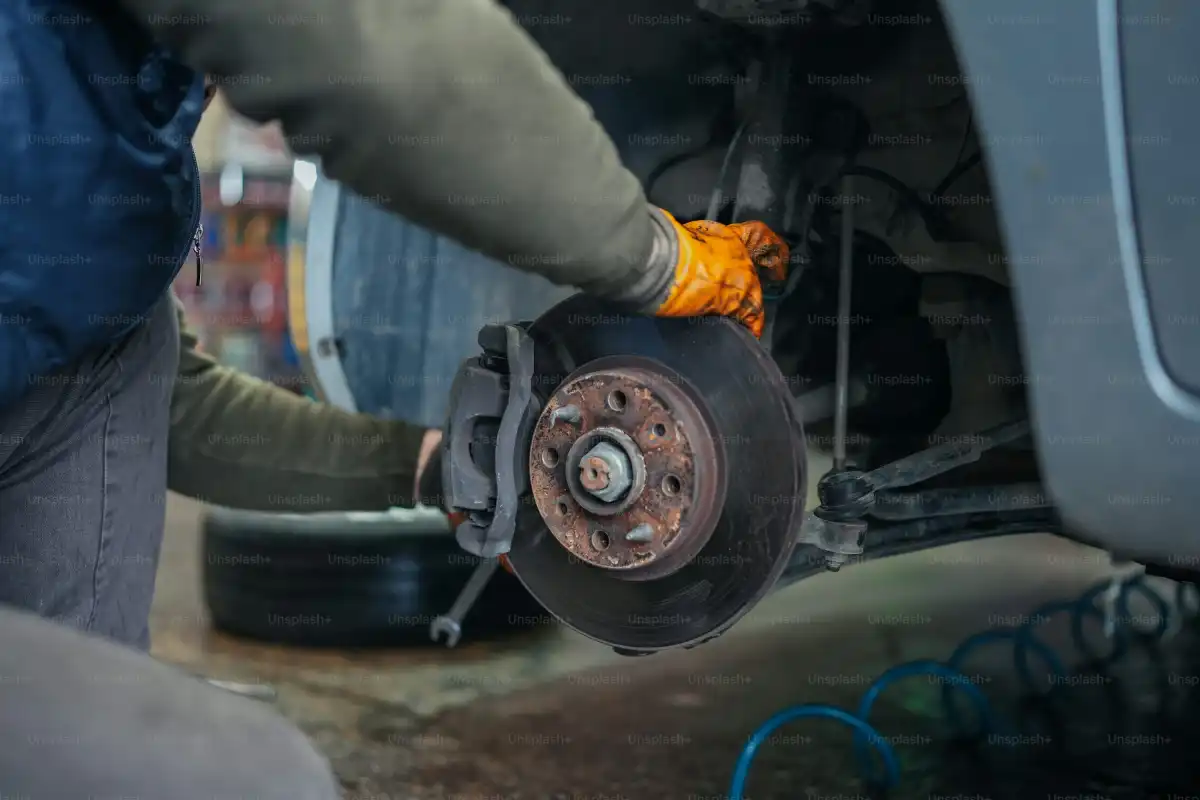
Though EVs generally use regenerative braking systems to maximize efficiency, traditional brake systems still play an important role. Here’s what you’ll notice with Chinese EVs:
Reduced Mechanical Brake Usage: Regenerative braking takes most of the load, extending the lifespan of brake pads. However, this results in uneven wear on rotors over time. Regular checks are critical to detecting this early.
Corrosion Risks: With less frequent use, rust can accumulate on brake components, especially in regions with higher humidity. Owners should be vigilant about monthly inspections for signs of rust.
Suspension System Concerns
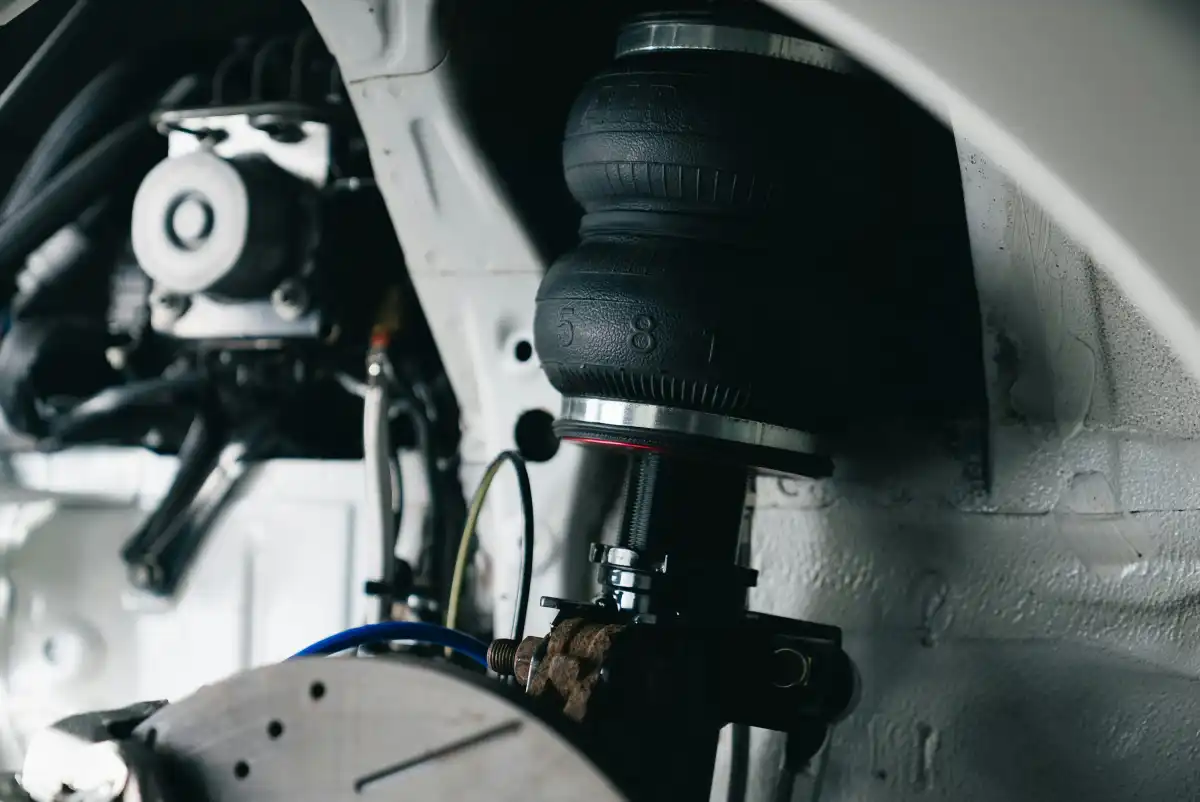
Suspension systems in Chinese EVs also have their own challenges due to battery weight and road conditions:
Stress from Battery Load: The heavier weight of EV batteries impacts the suspension over time. In affordable EVs, these systems may wear faster due to less advanced designs.
Road Conditions: Chinese EVs are marketed for varying terrains. In regions with poorer road conditions, suspension systems tend to wear unevenly or faster.
Why Do These Unique Wear Patterns Happen?
Several factors combine to explain why Chinese EVs experience these distinct wear patterns. Being aware of them can help owners mitigate problems before they escalate:
Battery Weight: Compared to ICE vehicles, EVs carry heavier batteries. This puts greater strain on tyres and suspension parts.
Instant Torque Delivery: One big feature of EVs is the immediate torque they provide. While this makes driving fun, it also contributes to rapid tyre wear.
Affordable Materials: Many Chinese EVs are designed with budget-friendly components. While cost-effective, these materials may wear more quickly compared to high-quality alternatives.
Practical Maintenance Tips for Chinese EV Owners
Drivers looking to improve their vehicle maintenance and performance can follow these actionable tips:
Regular Tyre Inspections: Always check your tyres for wear and tear. Uneven tread patterns are a common issue, so rotate your tyres every 8,000 to 12,000 km.
Brake Maintenance: Even if you utilize regenerative braking, make routine inspections of your brake rotors and pads to detect rust or uneven wear.
Alignments and Balancing: Tyre alignment and balancing checks should be done consistently. They make a noticeable difference in prolonging tyre lifespan.
Suspension Maintenance: Listen for strange sounds or vibrations while driving. Early detection of suspension wear leads to lower repair costs.
Why Understanding Wear Patterns Matters
Being knowledgeable about these unique wear patterns can make a big difference for drivers of Chinese EVs. Here’s why this matters:
Extend the lifespan of crucial components such as tyres, brakes, and suspension systems.
Save money on repairs by catching wear and tear early.
Improve safety and driving comfort for daily commutes and long drives.
Understanding what your Chinese EV needs and how to maintain it can greatly enhance its performance and value over time.
FAQ
Q: Do Chinese EVs use different tyres compared to other electric cars?
A: Yes, Chinese EVs might utilize budget-friendly tyres optimized for everyday driving, especially in urban settings. However, they may wear out faster under tough conditions or heavy loads.
Q: Why do brakes on Chinese EVs rust more often than in traditional cars?
A: Regenerative braking systems reduce the usage of mechanical brakes, causing rust to build up more easily. Regular inspections address this issue.
Q: How can I avoid uneven suspension system wear?
A: You can minimize uneven wear by driving carefully on rough roads and keeping your car well-maintained. Avoid overloading your vehicle as much as possible.
Q: Are alignment issues common in Chinese EVs?
A: Yes, the extra weight of the battery can cause alignment issues. Frequent alignment checks will prevent uneven wear and improve handling.
Q: How often should I rotate the tyres on a Chinese EV?
A: Experts recommend rotating tyres every 8,000 to 12,000 km for balanced wear and optimal performance. Always check your vehicle’s manual for specific intervals.
Read More:
Geely Zeekr vs XPeng: The Battle of Premium Chinese EVs