
- Step 2: Understand Import Rules and Regulations in the UAE
- Step 3: Calculate Import Costs
- Step 4: Choose a Reliable Shipping Method
- Step 5: Handle Customs and Registration in the UAE
- Step 6: Maintain and Insure Your Imported EV
- FAQ
Are you considering importing a Chinese electric vehicle (EV) to the UAE? With their affordability and advanced technology, Chinese EVs have gained popularity worldwide. This guide explains everything you need to know, from choosing a model to managing costs and navigating regulations, so you can make the import process hassle-free.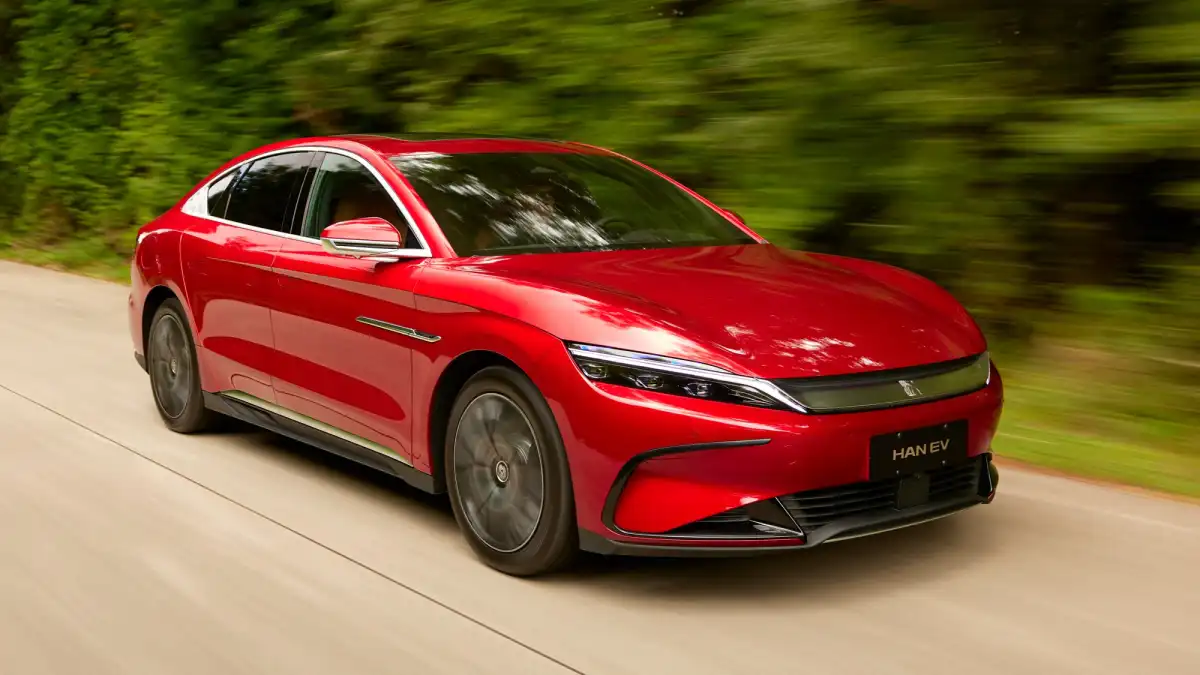 Step 1: Research Chinese EV Models Suitable for the UAE
The first step in importing a Chinese EV to the UAE is identifying models that suit your needs, the UAE climate, and local regulations. Thorough research ensures the EV you choose is compatible with local requirements and provides a smooth ownership experience.
Factors to Consider:
Driving Range: Look for EVs with impressive mileage per charge, especially considering UAE’s high temperatures that can affect battery life.
Local Charging Compatibility: Ensure the EV supports charging standards common in the UAE, such as Type 2 connectors or CCS fast charging.
Spare Parts Availability: Confirm that spare parts are readily accessible in case of maintenance requirements. Some manufacturers have established partnerships in the region.
Recommended Manufacturers:
Popular Chinese EV brands such as BYDEgypt BYDUAE BYDKSA BYDBahrain BYDKuwait BYDOman BYDQatar BYD, NioBahrain NioEgypt NioKSA NioKuwait NioOman NioQatar NioUAE Nio, XpengKSA XpengUAE XpengBahrain XpengEgypt XpengKuwait XpengOman XpengQatar Xpeng, and GeelyUAE GeelyKSA GeelyKuwait GeelyQatar GeelyOman GeelyBahrain GeelyEgypt Geely are known for their innovative designs and reliable performance. Many of their models are either compliant with GCC standards or can be easily modified to meet UAE regulations. Check for added warranties or certifications.
Step 2: Understand Import Rules and Regulations in the UAE
Navigating government rules and regulations is essential when importing vehicles. The UAE sets specific guidelines to ensure safety and compliance with its standards.
Key Import Requirements:
Age of the Vehicle: The imported EV should typically be less than 4-5 years old to qualify.
GCC Compliance: It must meet Gulf Cooperation Council safety, emissions, and environmental standards.
Left-Hand Drive Only: Vehicles in the UAE must be left-hand drive, as right-hand drive cars are prohibited.
Documents You’ll Need:
To initiate the process, you’ll need several documents:
Purchase Invoice: A document proving your transaction with the seller.
Vehicle Export Certificate: Official paperwork from the Chinese transport authority showing the vehicle's export approval.
Conformity Certificate: Verification that the EV meets GCC standards.
Shipping Documents: Include the bill of lading and other relevant transport paperwork.

Step 3: Calculate Import Costs
Importing an EV involves multiple costs beyond simply buying the vehicle. Carefully accounting for these ensures you're prepared financially.
Cost Breakdown:
Customs Duty: A flat 5% of the car’s CIF (Cost, Insurance, and Freight) value.
VAT: A 5% VAT will apply on the total vehicle value, including customs duty.
Shipping Costs: Usually calculated based on the shipping method chosen. Container shipping offers better protection but costs more than Roll-on/Roll-off options.
Modification Fees: Expenses for making the vehicle GCC compliant, if necessary.
Registration Fees: Fees for registering the EV in the UAE, which vary based on emirate.
Step 4: Choose a Reliable Shipping Method
Transporting your EV safely to the UAE is critical. Selecting the right shipping company and method plays a significant role in how well the process goes.
Shipping Options:
Roll-on/Roll-off (RoRo): This is a cost-effective shipping method. However, your vehicle will be exposed to external elements during transport.
Container Shipping: While more expensive, container shipping provides optimal protection for your EV against damage during transit.
Find logistics companies experienced in UAE-China routes that include services like customs clearance.
Step 5: Handle Customs and Registration in the UAE
Upon arrival at the UAE port, your EV must undergo customs clearance followed by inspection and registration.
Customs Clearance Steps:
Pay all applicable fees, including customs duty, VAT, and port handling charges.
Submit all essential documents, including the conformity certificate and bill of lading.
Vehicle Registration:
After clearing customs:
Arrange for a roadworthiness test to ensure compliance.
Acquire UAE motor insurance tailored to imported vehicles.
Register the EV with the Roads and Transport Authority (RTA) in your emirate.
Step 6: Maintain and Insure Your Imported EV
Once your EV is legally on UAE roads, maintaining and insuring it properly ensures optimal performance and peace of mind.
Maintenance Tips:
Utilize service centers certified by the EV manufacturer for routine maintenance.
Check warranty options from the Chinese manufacturer for coverage in the UAE.
Insurance:
Secure insurance through a local provider specializing in imported vehicles. Some providers may require extra documentation due to the imported nature of the EV.
FAQ
Q: Do Chinese EVs meet UAE's vehicle standards?
Many modern Chinese EVs comply with GCC guidelines, though some may need minor modifications before registration. Always verify with the manufacturer.
Q: How long does the import process take?
Typically, the process takes 4 to 8 weeks, depending on shipping schedules and customs clearance time.
Q: Can I import a used EV?
Yes, as long as it meets the UAE’s guidelines on vehicle age, emissions, and road safety standards.
Q: What challenges should I anticipate?
Expect potential issues with charger compatibility, finding certified maintenance teams, and navigating customs procedures.
Q: Is there a financial advantage to importing versus buying locally?
It depends on the model and associated costs like shipping, duty, and VAT. Perform a cost-benefit analysis to evaluate potential savings.
Importing a Chinese EV to the UAE might seem complicated, but it’s manageable with careful planning. Use this guide to understand the process thoroughly and ensure a smooth experience.
Read More:
Everything You Need to Know About Iveco Van
Sharjah Monthly Parking Charges: Everything You Need to Know
Abu Dhabi Toll Timing Today: Everything You Need to Know
2 / 12