
CarteaWikiCar KnowledgeThe Essential Guide to Buy a Used Car: Tips and Tricks for a Smart Purchase

The Essential Guide to Buy a Used Car: Tips and Tricks for a Smart Purchase

Mustafa Karim
Mustafa Karim
Published: 2025-04-17
Updated: 2025-12-12
contents

Buying a used car can be an exhilarating yet challenging experience. Whether you're upgrading to a better vehicle or purchasing your first car, taking the time to assess every detail is crucial to avoid costly mistakes. With proper preparation and knowledge, you can ensure that your investment is worthwhile and your car-buying journey is smooth and secure. In this guide, we’ll explore the key steps to buy a used car, highlighting critical checks and tips to help you make an informed decision.

Common Mistakes When Buying a Used Car

Many buyers rush into purchasing a used car without conducting thorough checks. This oversight often leads to unexpected expenses and dissatisfaction down the road. Research shows that while some buyers feel confident in their ability to evaluate a car, a significant percentage neglect critical aspects of the process.

What Buyers Often Overlook:

  1. Incomplete Document Checks: Many buyers skip reviewing essential documents like the vehicle logbook (V5C) or MOT history, even though these are free resources that provide valuable insights into a vehicle's history.

  2. Safety Inspections: Neglecting to check brakes, tyres, or lights compromises safety and may result in legal issues or accidents.

  3. Skipping Vehicle History Reports: Failing to conduct an HPI check or vehicle inspection may leave buyers unaware of hidden issues, such as outstanding finance or a stolen past.

To avoid falling into these traps, follow our detailed checklist to make a confident purchase.

Comprehensive Checklist for Buying a Used Car

Verify Documentation

Before anything else, ask for the vehicle logbook (V5C). This document confirms that the seller is the rightful owner and authorized to sell the car. Additionally, look for original manuals, warranty handbooks, and receipts for past services.

Check MOT and Service History

Inspect the car’s MOT history online using its registration number. Look for consistent MOT records and ensure no major problems were flagged during inspections. For service history, examine the service book to confirm routine maintenance. Cars with a main dealer service history are often more reliable as they have been handled by professionals using manufacturer-approved parts.

Perform Safety Checks

Safety should never be compromised. Test the brakes, lights, indicators, and horn to ensure they work correctly. Use a tyre tread depth gauge to verify that the tyres meet the legal minimum of 1.6mm. If safety components need replacement, negotiate with the seller to cover the cost.

Conduct an HPI Check

An HPI check uncovers crucial details such as outstanding finance, previous accidents, or stolen history. While this step requires a small fee, it is invaluable for ensuring the car doesn’t come with hidden risks.

VIN Check

  • Use tools such as the UAE's RTA vehicle history report (2025 edition) to verify the car’s identification number (VIN).

  • Confirm if the VIN matches across documents and the vehicle itself.

  • Review any accident records, maintenance records, and verify mileage history to avoid issues like odometer fraud.

  • Cross-check the VIN with GCC certification standards to ensure it meets local requirements.

Inspect Mileage

Mileage is an essential factor when evaluating a used car. Compare the odometer reading with the car’s age and condition. Beware of “clocked” cars where mileage has been altered to appear lower.

Examine Bodywork

  • Use a flashlight at a 45° angle to examine body panels for paint mismatches or uneven gaps.

  • Inspect the door edges, fenders, and bumpers for signs of repair or rust, which might not be obvious at first glance.

  • Check under the vehicle for any visible rust or structural damage.

Engine & Transmission

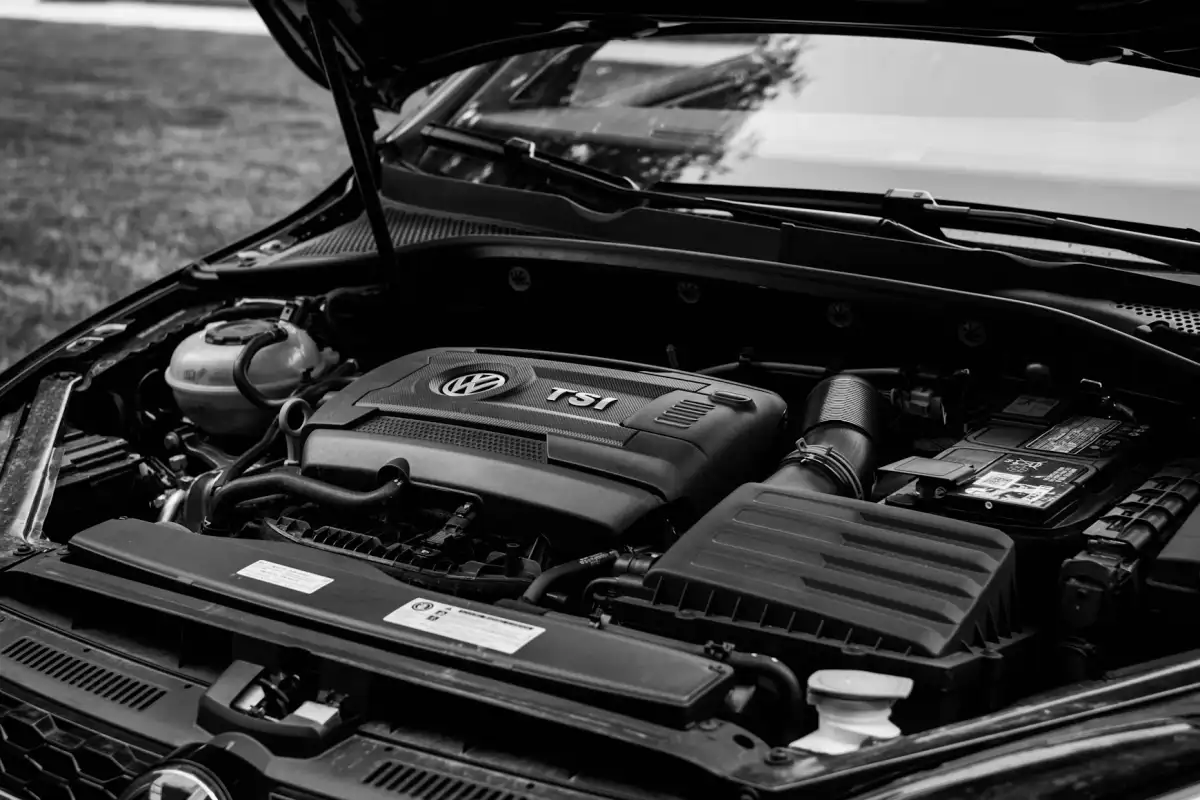
  • Check for unusual sounds, vibrations, or indicators such as milky oil, which could signal a head gasket leak.

  • During a short test drive, pay attention to any grinding noises, especially when shifting into second gear.

  • Use a diagnostic scanner if available to verify that the engine and transmission systems are error-free.

Inspect the Interior

  • Verify that the touchscreen interface and control panels respond smoothly.

  • Look for missing features like charging ports or non-functional AC controls that could indicate a lack of proper maintenance.

  • Ensure that the interior has no musty odors, which might suggest moisture damage or mold—a common issue if the car has been stored improperly.

  • A local case in point:Ahmed from Dubai once purchased a used car that seemed flawless until a thorough interior check revealed hidden mold due to prolonged exposure to humidity.

Check Brake System & Related Components

  • Press firmly on the brake pedal to detect any sponginess that might indicate fluid issues.

  • Observe the brake pads for uneven wear or signs of recent emergency braking.

  • Compare findings with typical values; for example, many vehicles in the region should meet or exceed GCC standards regarding brake performance.

Ask About Modifications

Inquire whether the seller has added any modifications to the car. These must be declared to insurers, as they can affect premiums and vehicle performance.

Verify Advertised Features

Check all advertised features such as parking sensors, adaptive cruise control, or reversing cameras. These features can be costly to repair if faulty.

Dashboard Inspection and Test Drive

  • Turn the ignition on (without starting the engine) to observe warning lights like ABS, airbags, and system alerts.

  • Compare the odometer reading with the provided service records and documentation.

  • Test the responsiveness of electronic switches and buttons, ensuring that all are operational.

  • Listen for unusual sounds when slightly revving the engine, as these may indicate hidden mechanical issues.

Additional Checks for 2025 Models

  • For hybrid and electric models, check battery health using specialized diagnostic tools.

  • Verify the software update history and ensure that Advanced Driver Assistance Systems (ADAS) sensors are fully operational.

Additional Tips for a Smooth Purchase

Research the Market

Before visiting sellers, research the market to understand standard prices for the car model you’re interested in. Compare options and avoid deals that seem too good to be true.

Trust Your Instincts

If something feels off during negotiations or inspections, trust your instincts and walk away. A reputable seller should be transparent about the car’s condition and history.

Consider Professional Inspection

If you’re unsure about evaluating a used car, consider hiring a professional mechanic for an independent inspection. Their expertise can help identify issues you might meet.

Smart Negotiation Tactics for 2025

Negotiating the price of your used car is as critical as the inspection itself. Here are a few strategies to consider:

Leverage Digital Tools

  • Compare prices across at least three UAE or GCC-based classified apps to get a sense of the prevailing market rate in AED/SAR.

  • Utilize online residual value calculators that reflect recent GCC certification standards.

  • Request a live video inspection from the seller to visually confirm the vehicle’s condition in real time.

Paperwork Essentials

  • Insist on viewing the complete service history and original purchase invoice.

  • Ensure the car carries a full set of documentation including insurance transfer documents and a comprehensive maintenance record with at least eight service stamps.

  • Always confirm that all legal documents are in order and comply with current local regulations (subject to local legal changes).

Post-Purchase Protection

Your responsibilities don’t end once the purchase is made. Here’s how to protect your investment after driving off the lot:

  1. Immediate Maintenance

  • Change all critical fluids such as engine oil and transmission fluid shortly after the purchase.

  • Replace parts like the timing belt if it has exceeded 60,000 km—a measure that can prevent future mechanical failures.

  • Update the vehicle’s navigation maps to ensure they align with the latest road changes in the GCC region.

  1. Follow-Up Inspections

  • Schedule a comprehensive pre-purchase inspection if it wasn’t conducted prior to buying the car. This should include all modern diagnostic scans and checks mandated by GCC standards.

  • Ensure warranty transfers are properly documented if applicable.

  • Keep copies of all receipts and service documents to maintain a detailed history that may boost resale value in AED/SAR.

Pro tip:2025 models often require specialized diagnostic tools. When buying from dealers, always ask for the latest scan reports to confirm all electronic systems are up-to-date according to local requirements.

Read more about how to buy a used car.

FAQ

Q1: What is the importance of a VIN check when buying a used car?

A: A VIN check is crucial because it allows you to verify the car’s history, ensuring that there are no hidden problems such as odometer fraud or accident damages. It helps confirm that the ownership records are authentic and that the vehicle matches all official documentation. Using the UAE's RTA vehicle history report, you can quickly spot discrepancies and make a well-informed decision. This is particularly important in the GCC market, where vehicles are subject to strict regulatory standards. Always compare the VIN on the car with that on the paperwork and cross-reference with online databases to ensure compliance with local certification standards.

Q2: How can I identify hidden mechanical issues during a quick inspection?

A: During a quick inspection, start by checking the dashboard for warning lights and unusual electronic readings. Listen for irregular noise patterns in the engine and transmission during a brief test drive. Additionally, perform a VIN check to review the vehicle’s maintenance records and accident history. These steps can reveal potential issues such as milky oil or spongy brakes, common in vehicles with hidden mechanical problems. By using tools that comply with GCC certification standards, you can significantly reduce the risk of costly repairs after purchase.

Q3: What specific documents should I request during the negotiation phase of buying a used car?

A: When negotiating, always ask for the complete service history, which should include details of all maintenance records, service stamps (at least eight), and the original purchase invoice. Other critical documents include the valid insurance transfer papers and the detailed vehicle history report, preferably from a recognized local authority like the UAE's RTA. These documents help ensure that all repairs and routine maintenance were carried out in line with local standards. Requesting these records not only facilitates a smoother negotiation but also protects your investment by confirming that the vehicle adheres to GCC certification requirements.

Q4: Why is post-purchase maintenance important and what should it include?

A: Post-purchase maintenance is essential because it safeguards your investment by ensuring that any initial issues are promptly addressed. Immediately after the purchase, it is advisable to change all fluids, including engine oil and transmission fluid, and replace components like the timing belt if necessary. It is also important to update the navigation system and recheck all electronic systems using GCC-standard diagnostic tools. Maintaining a detailed record of these services will boost the resale value of your car and ensure that it remains reliable and efficient. Always follow local regulations and maintenance schedules according to the latest GCC guidelines to prevent future complications.

Q5: How can digital tools assist in the used car buying process?

A: Digital tools greatly streamline the used car buying process by providing real-time information and market comparisons. They allow you to compare prices across various platforms in AED/SAR, evaluate residual values, and request live video inspections for a closer look at the vehicle's condition. These tools also ensure that you can easily access updated vehicle history reports and maintenance records. Their integration with GCC certification standards makes it easier to verify that the vehicles meet local requirements, thereby reducing the risk of purchasing a car with hidden issues. Using digital comparisons and inspection tools can lead to a more transparent and confident purchase decision.

This article is for reference only; please follow the latest local laws and regulations in your region.

Read more:

The Most Effective Way to Sell Your Car in UAE (2025 Update)

Manual vs Automatic Cars:The Best Choice for 2025 Drivers

Finding the Best Car in the World: 2025's Ultimate Guide

Also Read:

Mustafa KarimMustafa Karim
Chief editor information:
Mustafa Karim, having been deeply involved in automotive research and development for over ten years. He is fond of Japanese cars, and their precise and energy-efficient features have influenced him. In his spare time, he loves Japanese anime and kendo, drawing inspiration from them for control system research and development. He also often shares cutting-edge automotive knowledge on platforms, contributing to industry innovation and adding strength to automotive development with his expertise.

Share Article

previous: Is Nissan Kicks the Best Compact SUV for 2025? 7 Reasons to ConsiderNext: Car Clutches:What Every Driver Needs to Know

Comments

avatar
Add a comment...
Add a comment...

News in UAE

“Your guide to owning an electric car in Saudi Arabia 2025–2030: charging, costs, and regulations from A to Z”

“Your guide to owning an electric car in Saudi Arabia 2025–2030: charging, costs, and regulations from A to Z”

Dec 542
 Kia Offers 2025 in Saudi Arabia: Easier Options and Financing That Opens the Door to a New Car

Kia Offers 2025 in Saudi Arabia: Easier Options and Financing That Opens the Door to a New Car

Dec 5101
What Should You Do When Your Electric Car Lets You Down? A Survival and Smart Planning Guide on the Road

What Should You Do When Your Electric Car Lets You Down? A Survival and Smart Planning Guide on the Road

Dec 413
What Is The Legal Window Tint Limit In The UAE In 2025? A Complete Guide To Staying Cool And CompliantWhy Tint Even Became A Legal Issue In a climate like the UAE’s, window tint is not just a styling accessory; it is a practical tool to reduce heat,

What Is The Legal Window Tint Limit In The UAE In 2025? A Complete Guide To Staying Cool And CompliantWhy Tint Even Became A Legal Issue In a climate like the UAE’s, window tint is not just a styling accessory; it is a practical tool to reduce heat,

Dec 3116
How Many Car Museums Are There in the UAE? A Tour of the Top Destinations for Enthusiasts from Abu Dhabi to Sharjah, Al Ain and Dubai

How Many Car Museums Are There in the UAE? A Tour of the Top Destinations for Enthusiasts from Abu Dhabi to Sharjah, Al Ain and Dubai

Nov 2694
Special 95 vs. Super 98: The Essential, Real-World Guide to UAE Petrol Choices for Engine Health and Budget

Special 95 vs. Super 98: The Essential, Real-World Guide to UAE Petrol Choices for Engine Health and Budget

Nov 1772
A Driver’s Guide: Signs Indicating When to Change Your Tires and How to Know the Right Time

A Driver’s Guide: Signs Indicating When to Change Your Tires and How to Know the Right Time

Nov 1119
Diesel in a Petrol Car: The Hidden Trap That Can Wreck Your Engine—Full Guide, How Damage Happens, and What to Do

Diesel in a Petrol Car: The Hidden Trap That Can Wreck Your Engine—Full Guide, How Damage Happens, and What to Do

Nov 778
Tesla’s Electric Revolution in the UAE: A Complete 2025 Guide to the Models, Tech, Experiences, and Market Shifts

Tesla’s Electric Revolution in the UAE: A Complete 2025 Guide to the Models, Tech, Experiences, and Market Shifts

Nov 5154
A Few Drops That Betray Your Engine: How Water in the Fuel Tank Destroys Car Power and Ruins Your Journey—Full Guide to Prevention, Diagnosis, and Repair

A Few Drops That Betray Your Engine: How Water in the Fuel Tank Destroys Car Power and Ruins Your Journey—Full Guide to Prevention, Diagnosis, and Repair

Nov 2118