
- Brake Maintenance for Chinese Cars
- Brake Pad Replacement Intervals
- Brake Pad Costs
- Brake Disc Maintenance
- Brake Fluid
- Signs of Brake Problems
- Sand and Brake Performance
- Conclusion
Brake Maintenance for Chinese Cars
Brakes are your car's most important safety system. Chinese cars in the UAE face unique challenges: high-speed highway driving, sudden stops in traffic, and sand contamination. This guide covers brake maintenance for popular Chinese models.
Brake Pad Replacement Intervals
Replace brake pads when thickness reaches 3 mm. Typical intervals for Chinese cars in the UAE:
- City driving: 25,000 to 35,000 km
- Highway driving: 40,000 to 50,000 km
- Mixed driving: 30,000 to 40,000 km
- EVs (BYD, Nio): 50,000 to 80,000 km due to regenerative braking
EVs like the BYD Atto 3 and Nio ET5 have significantly longer brake pad life because regenerative braking reduces pad wear.
Brake Pad Costs
- Budget pads (Hankook, Akebono): AED 150 to AED 300 per axle
- Mid-range pads (Bosch, Textar): AED 300 to AED 500 per axle
- Premium pads (Brembo, ATE): AED 500 to AED 800 per axle
- Labor: AED 100 to AED 200 per axle
Brake Disc Maintenance
Brake discs (rotors) should be inspected with every pad change. Replace discs when:
- Thickness is below the manufacturer's minimum specification
- Deep scoring or grooves are visible
- Warpage causes steering wheel vibration during braking
- Visible cracks appear
Disc replacement costs AED 400 to AED 800 per axle for most Chinese cars. Premium models with larger discs (BYD Seal, Zeekr 001) may cost AED 800 to AED 1,200.
Brake Fluid
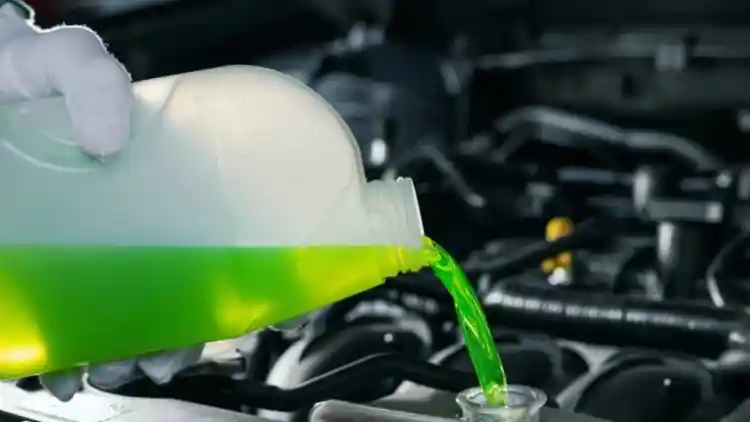
Brake fluid absorbs moisture over time, reducing braking performance. Replace brake fluid every 2 years or 40,000 km, whichever comes first. Use DOT 4 fluid (DOT 3 is acceptable for older models). Fluid change costs AED 150 to AED 300. Never mix different fluid types.
Signs of Brake Problems
- Squealing: Wear indicator on pads. Replace soon.
- Grinding: Pads are worn through. Stop driving and replace immediately.
- Spongy pedal: Air in lines or worn master cylinder. Service immediately.
- Pulling to one side: Stuck caliper or uneven pad wear. Inspect and repair.
- Vibration: Warped discs. Resurface or replace.
- Warning light: ABS or brake system fault. Diagnose with scanner.
Sand and Brake Performance
Sand can contaminate brakes, reducing performance. After driving on sand or desert tracks, gently brake several times to clear debris. Avoid aggressive braking immediately after sand exposure, as sand particles can score discs. Regular washing helps prevent sand buildup.
Conclusion
Regular brake maintenance is essential for safety. Inspect pads every 10,000 km, replace fluid every 2 years, and address unusual sounds or feelings immediately. Well-maintained brakes ensure your Chinese car stops reliably in all conditions.