
- Why Choose an SUV?
- Tips for Finding the Right SUV for Sale
- New vs. Used SUVs: Which Option Suits You?
- Top Platforms for SUV Shopping
- Negotiation Tips for SUV Buyers
- Frequently Asked Questions
If you are searching for the ideal SUV for sale, you’ve come to the right place. SUVs are versatile vehicles that offer something for everyone, whether you’re a family in need of extra space, an adventurer seeking off-road performance, or a daily commuter who values comfort and safety. This guide covers everything from why you should choose an SUV to how to find the best deals, ensuring you make a confident and informed purchase.
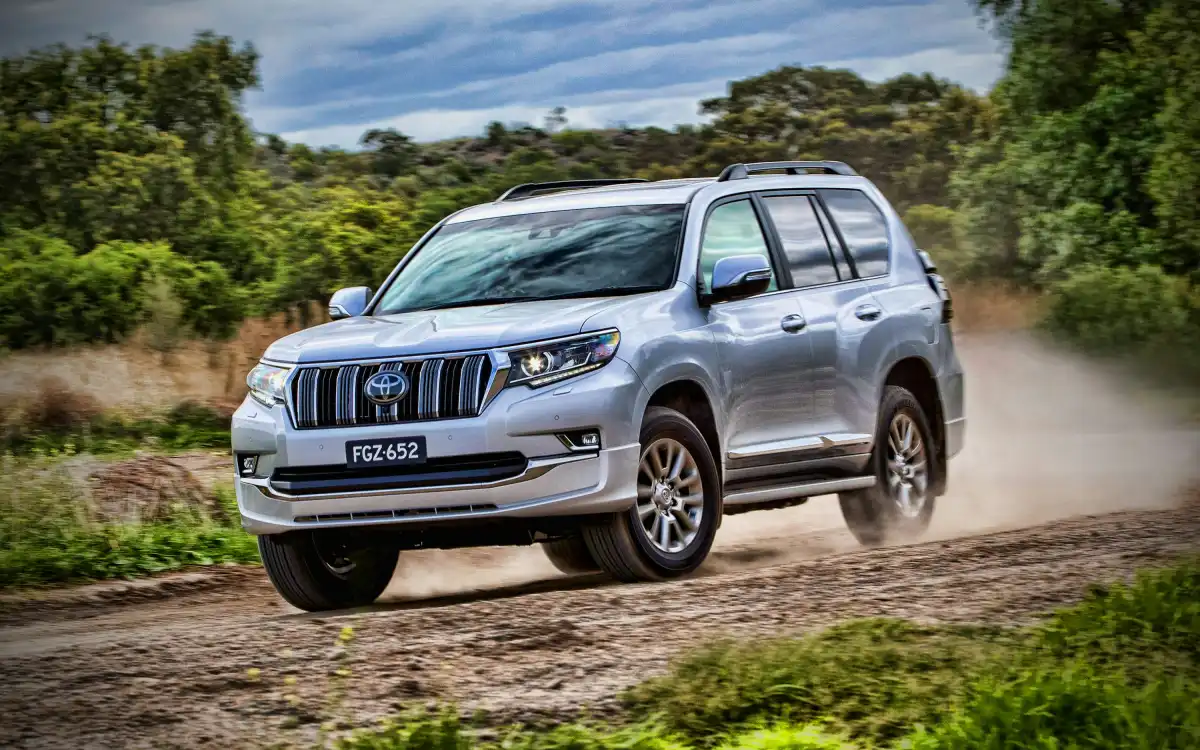
Why Choose an SUV?
Sports Utility Vehicles, or SUVs, are among the most popular choices on the market due to their power, capability, and practicality. Designed to handle a range of needs, these vehicles seamlessly balance the ability to manage rugged terrains with the comfort of city roads. Whether driving with a large family, hauling cargo, or planning outdoor excursions, an SUV is highly adaptable.
Key Advantages of SUVs
Spacious Interiors: With roomy seating and substantial cargo areas, SUVs are perfect for long trips and everyday use.
Off-Road Capability: Many SUVs feature advanced drivetrains like 4WD or AWD, making them ideal for unpaved trails, rocky paths, or slippery roads.
Safety Features: Built with robust frames and top-tier safety technologies, SUVs offer a sense of security for all passengers.
Versatility: From compact models to luxury powerhouse options, there’s an SUV for everyone, tailored to diverse lifestyles and preferences.
Tips for Finding the Right SUV for Sale
Buying an SUV is a significant investment, and finding the right one can be a rewarding experience. Here’s how to make your search easier and more effective.
Step 1: Identify Your Needs
Begin by assessing what you truly need from your SUV. Consider these specifics:
Purpose: Will you primarily drive it in the city, take it on long road trips, or use it for adventures off the beaten path?
Passenger Space: Evaluate how many passengers you typically need to accommodate, including children.
Fuel Efficiency: Some SUVs can have high fuel consumption, so it’s essential to factor this into your decision.
Budget: Define your budget, taking into account potential expenses such as maintenance, fuel, and insurance.
Step 2: Research the Market
After narrowing down your requirements, it’s time to explore what the market offers. Research is your best friend during this stage.
Explore Inventory: Visit local dealerships, search online platforms, and consider private sellers in your area.
Compare Models and Prices: Look for similar SUV models to understand pricing trends and avoid overpaying.
Read Consumer Reviews: Reviews from real-world drivers provide valuable insights into the performance, reliability, and common issues of each SUV.
Step 3: Key Features to Look For
When inspecting an SUV for sale during your search, pay close attention to these critical features:
Engine Options: Choose a powerful engine if you plan to tow or tackle demanding terrains. For city commutes, smaller engines may suffice.
Drivetrain: Decide between two-wheel drive, all-wheel drive, or four-wheel drive based on your usage needs.
Interior Technology: From infotainment systems to advanced driver-assist features, technology can enhance usability and safety.
Available Safety Features: Features like lane departure warnings, automatic emergency braking, and multiple airbags enhance protection.
Step 4: Schedule a Test Drive
A test drive is an essential part of the purchase process. Here’s what to assess:
Seating Comfort: See how comfortable the seats feel for both driver and passengers.
Performance: Test handling on both smooth city roads and bumpy terrain if possible.
Sound Levels: Pay attention to how quiet or noisy the cabin feels.
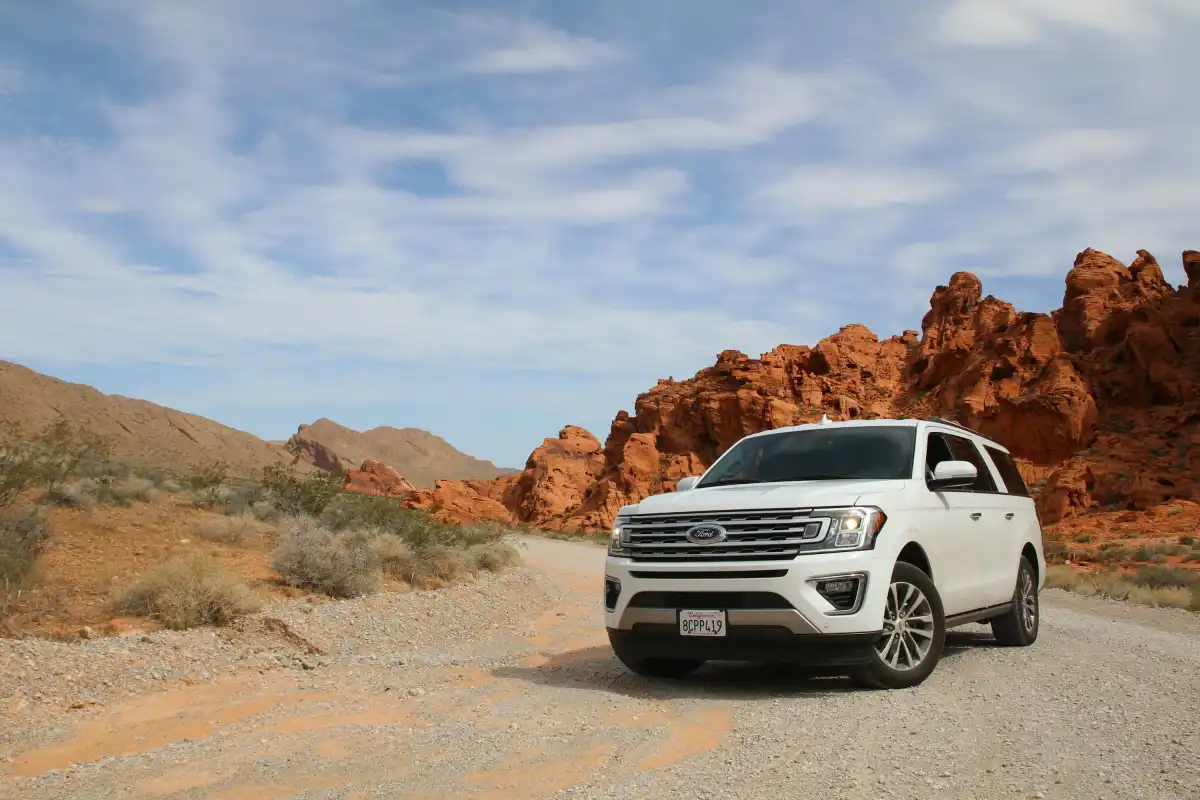
New vs. Used SUVs: Which Option Suits You?
While choosing between a new and used SUV depends on personal preferences and budget, both options present unique advantages.
Why Choose a New SUV
Cutting-Edge Features: Up-to-date technologies and stylish designs.
Warranty Coverage: Peace of mind with included manufacturer warranties.
Reliability: Reduced need for immediate repairs compared to pre-owned vehicles.
Why Choose a Used SUV
Affordability: Lower purchase prices with higher value for money.
Diverse Selection: Gain access to older, high-end models that may fit your budget better.
Slower Depreciation: Used vehicles typically retain their value longer than new ones.
Top Platforms for SUV Shopping
The internet and traditional dealerships offer countless options for buying SUVs. Try these reliable sources when searching for an SUV for sale:
Official Dealerships: Certified pre-owned programs often come with warranties and thorough inspections.
Online Marketplaces: Websites like Carvana, Autotrader, and Cars.com host extensive listings of new and used SUVs.
Social Media and Local Groups: Platforms like Facebook Marketplace can lead you to excellent deals from local sellers.
Classified Ads: Traditional sites such as Craigslist and Gumtree allow direct contact with the seller for negotiations.
Negotiation Tips for SUV Buyers
Everyone loves a good deal. Use these strategies to reduce the price of your next SUV:
Do Your Homework: Know the typical market value and resale range of the model you want.
Inspect Thoroughly: Leverage any mechanical problems or needed replacements uncovered during inspection for bargaining.
Stay Open-Minded: If you consider various trim levels or model years, you might discover better prices or additional features.
Frequently Asked Questions
What should I check before buying a used SUV?
Inspect the vehicle’s service records, mileage, and a complete history report. Examine key components such as the engine, tires, and brakes.
Are SUVs more expensive to maintain?
Generally, SUVs can incur higher maintenance costs owing to their size and engine specs. However, this varies widely by make and model.
What is the difference between AWD and 4WD?
All-wheel drive operates automatically for all conditions, while four-wheel drive is better for rigorous, off-road use and usually requires manual activation.
How do I determine if an SUV is fuel-efficient?
Check EPA ratings or ask the seller how it performs in terms of mileage. Hybrid or compact SUVs often deliver better efficiency compared to larger vehicles.
Is it worth investing in a luxury SUV?
Luxury SUVs offer unmatched comfort, cutting-edge technology, and powerful engines. They are an excellent choice if they fit within your budget and meet your needs.
Read More:
What Are the Best Car Maintenance Practices in 2025?