
- What Do "C" and "H" Stand For?
- Causes of a "C" (Cold) Reading
- Causes of an "H" (Hot) Reading
- Why Monitoring Engine Temperature is Crucial?
- FAQ
Modern vehicles come equipped with a wide range of indicators, gauges, and warning lights. Among the various dashboard symbols, your car dashboard's C and H gauge is crucial for monitoring your engine’s temperature. While seasoned drivers might instantly recognize these letters, newer drivers may not be aware of their significance or importance.
What Do "C" and "H" Stand For?
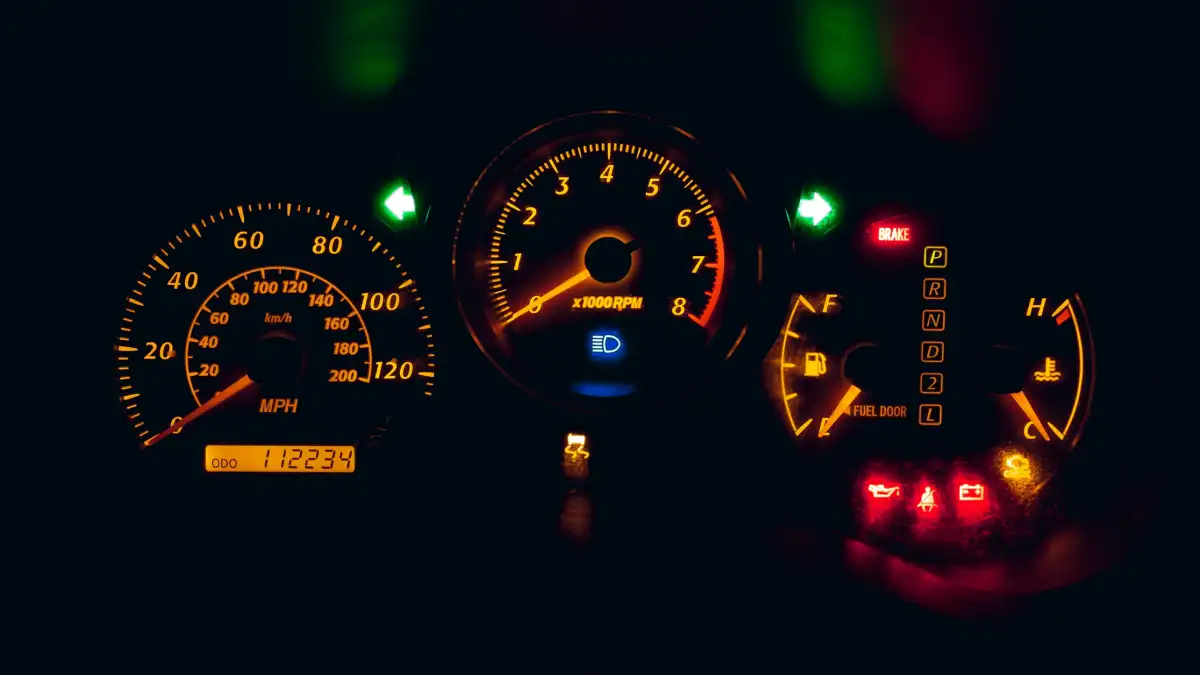
The "C" and "H" indicators on your car’s temperature gauge represent "Cold" and "Hot," respectively. This gauge helps the driver track the operating temperature of the engine. Ideally, the needle should remain near the middle of the scale, signifying that the engine is functioning at a stable and optimal temperature.
However, if the needle points toward the extremes — either "C" for cold or "H" for hot — it could indicate a potential problem with the engine’s temperature regulation. Ignoring these readings can lead to complications that may impact the performance and longevity of your vehicle.
Causes of a "C" (Cold) Reading
A "C" reading often appears when the engine is too cold to operate efficiently. This is particularly common during colder months, as frigid temperatures can prevent the engine and coolant from reaching an ideal operating temperature. Below are some common reasons for a cold reading:
Cold Weather Conditions: During subzero temperatures, the engine may struggle to warm up, leading to a "C" reading. In extreme cases, this may even prevent the car from starting.
Thermostat Issues: A malfunctioning thermostat that is stuck open can prevent the coolant from warming up properly. This keeps the engine from reaching normal operating temperatures.
Coolant Circulation Problems: If the coolant is unable to circulate effectively, the system may fail to heat appropriately, leading to a cold reading on the gauge.
How to Address a Cold Reading?
To resolve cold engine problems, you can:
Use an engine block heater to warm up the engine before starting your vehicle, particularly during extreme winter conditions.
Turn the ignition on and off several times to help the engine adapt to the cold.
Visit a professional mechanic to check for thermostat or coolant system issues if the problem persists.
Causes of an "H" (Hot) Reading
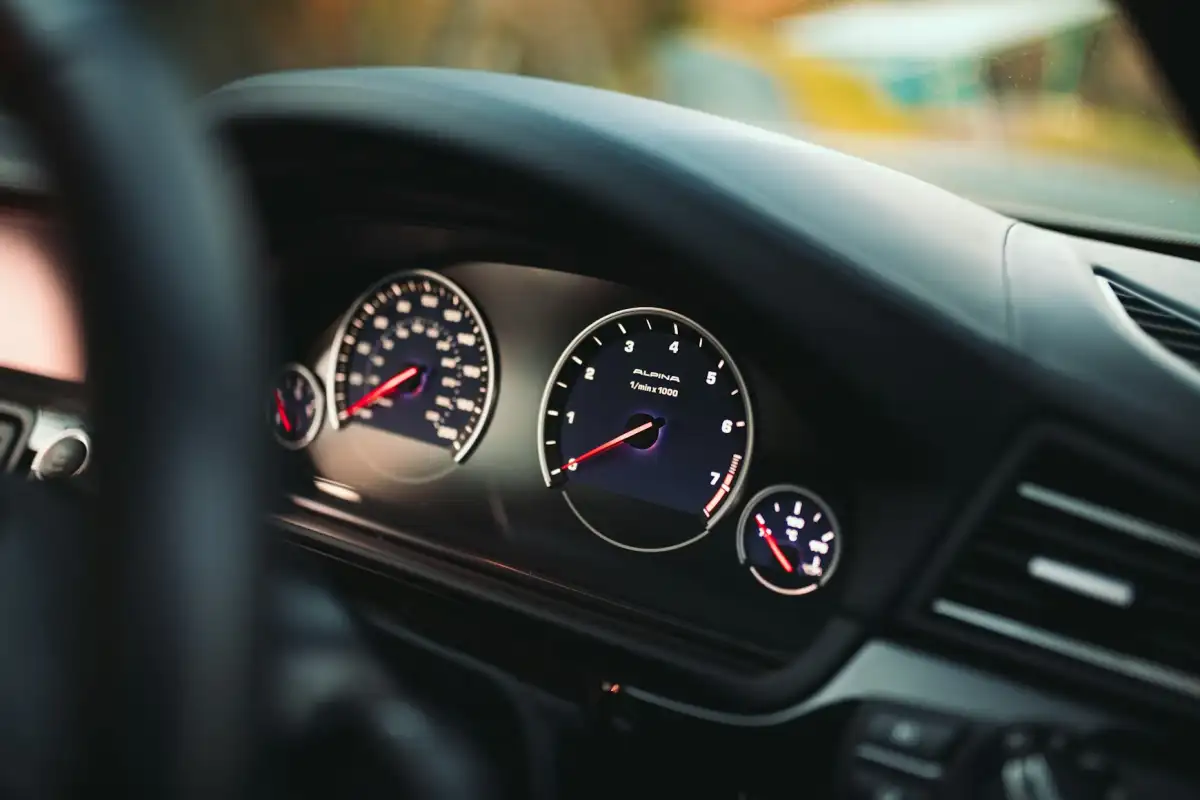
An "H" reading is far more serious than a "C" reading. It signals that the engine is overheating, which can result in significant damage if not addressed promptly. In addition to the high temperature reading, other symptoms may include:
Coolant leakage beneath the vehicle
Steam escaping from under the hood
Unusual smells, such as burning or sweet odors
Audible ticking sounds from the engine
Common Reasons for Overheating
Some common causes of an overheated engine include:
Low Coolant Levels: Insufficient coolant can lead to poor heat regulation.
Radiator Issues: Clogs or leaks in the radiator can prevent it from cooling the engine effectively.
Thermostat Malfunctions: A thermostat stuck in the closed position can block coolant circulation.
Failed Water Pump: The water pump is crucial for circulating coolant; its failure can lead to overheating.
Head Gasket Problems: A damaged head gasket can allow coolant to leak and disrupt temperature control.
Cooling Fan Failure: Electric cooling fans are essential for maintaining engine temperature, and their failure can lead to overheating.
Belt or Hose Problems: Broken drive belts or damaged radiator hoses can interfere with the cooling system.
What to Do If Your Engine Overheats?
If your engine overheats, follow these steps:
Pull Over Safely: Stop driving immediately and park in a safe location.
Turn Off the Engine: Switch off the engine and avoid opening the hood until it has cooled down to prevent burns.
Check Coolant Levels: Once the engine has cooled, inspect the coolant level. If it’s low, add coolant if you have it available.
Avoid Driving: If the issue persists after adding coolant, avoid driving the car further. Continuing to drive can lead to severe engine damage.
Seek Professional Help: Have your vehicle inspected by a qualified mechanic as soon as possible.
Why Monitoring Engine Temperature is Crucial?
The "C" and "H" indicators may seem straightforward, but they play a vital role in the health of your car’s engine. A cold reading might point to minor issues, while a hot reading can signal a dangerous and costly problem. Monitoring these indicators and taking swift action when necessary can help you avoid engine failure and ensure that your vehicle operates smoothly.
Understanding what these letters mean and knowing how to respond can save you from unexpected breakdowns and costly repairs. Always prioritize addressing temperature-related issues promptly — your vehicle’s performance and safety depend on it.
Do you want to know more about car dashboard? Come to this article to get it.
FAQ
Q: Why does my car's temperature gauge fluctuate in Dubai traffic?
A: Minor fluctuations are normal due to stop-and-go traffic, but consistent movement into the "H" zone indicates overheating and requires immediate attention.
Q: My older car lacks a blue "C" light. Is there a problem?
A: Older cars may not have the "C" light. Ensure the gauge stays within the normal operating range for engine safety.
Q: What causes the temperature gauge to hit the "H" mark suddenly?
A: Overheating may result from coolant leaks, thermostat failure, or radiator blockage. Follow the emergency steps and seek professional help.
Q: The "C" light stays on longer during Ras Al Khaimah mornings. Is this normal?
A: If the "C" light remains on past 5-7 kilometers, it may indicate a stuck thermostat. Get it inspected to ensure optimal engine performance.
Q: Does vehicle type affect temperature gauge interpretation in the UAE?
A: The "C" and "H" indicators function the same regardless of vehicle type, but SUVs may have more robust cooling systems for off-roading.
By understanding the shape of the car temperature gauge and identifying the heat "H" mark, drivers in the UAE can ensure their vehicles remain reliable and safe, even under extreme conditions. Regular maintenance and prompt action when warning lights appear are key to avoiding engine damage and ensuring smooth drives across the Gulf region.
Read more: