
- What Does “Saudi Specifications” Really Mean?
- Why Saudi Arabia Requires Dedicated Vehicle Specifications
- Key Advantages of Saudi-Specification Cars
- Safety Compliance with Saudi Regulations
- Warranty and Dealer Support: A Major Advantage
- Saudi-Spec vs Non-Saudi Import
- Resale Value: Protecting Your Investment
- Insurance and Registration Benefits
- Long-Term Ownership Costs
- Who Should Always Choose a Saudi-Specification Car?
- A Smarter Choice for Saudi Roads
In the Saudi automotive market, buying a car is not only about design, performance, or brand reputation. It is also about compatibility, safety, long-term reliability, and legal peace of mind. One of the most overlooked yet critical factors when purchasing a vehicle is whether it is imported and built according to Saudi Specifications.
While many buyers are tempted by cheaper imported cars from other markets, the reality is that vehicles designed specifically for Saudi Arabia offer clear advantages that go far beyond price. From climate durability and mechanical reliability to safety regulations and resale value, Saudi-spec cars are engineered to meet the Kingdom’s unique conditions.

This article explores why owning a Saudi-specification car is essential, what makes it different from non-GCC imports, and how this choice can protect your investment and driving experience in the long run.
What Does “Saudi Specifications” Really Mean?
A car imported according to Saudi specifications is a vehicle that:
Meets Saudi Standards, Metrology and Quality Organization (SASO) regulations
Is officially approved for extreme heat, desert conditions, and local fuel quality
Comes with authorized dealer support and manufacturer warranty
Is legally compliant with Saudi traffic, safety, and environmental laws
These vehicles are not just imported — they are engineered, tested, and certified specifically for the Saudi market.
Why Saudi Arabia Requires Dedicated Vehicle Specifications
Saudi Arabia presents some of the harshest driving conditions in the world, including:
Summer temperatures exceeding 50°C
Frequent sandstorms and desert dust
Long-distance highway driving at sustained speeds
Fuel quality variations compared to Europe or North America
Vehicles built for milder climates often struggle under these conditions, leading to premature wear, overheating, and system failures.
Key Advantages of Saudi-Specification Cars
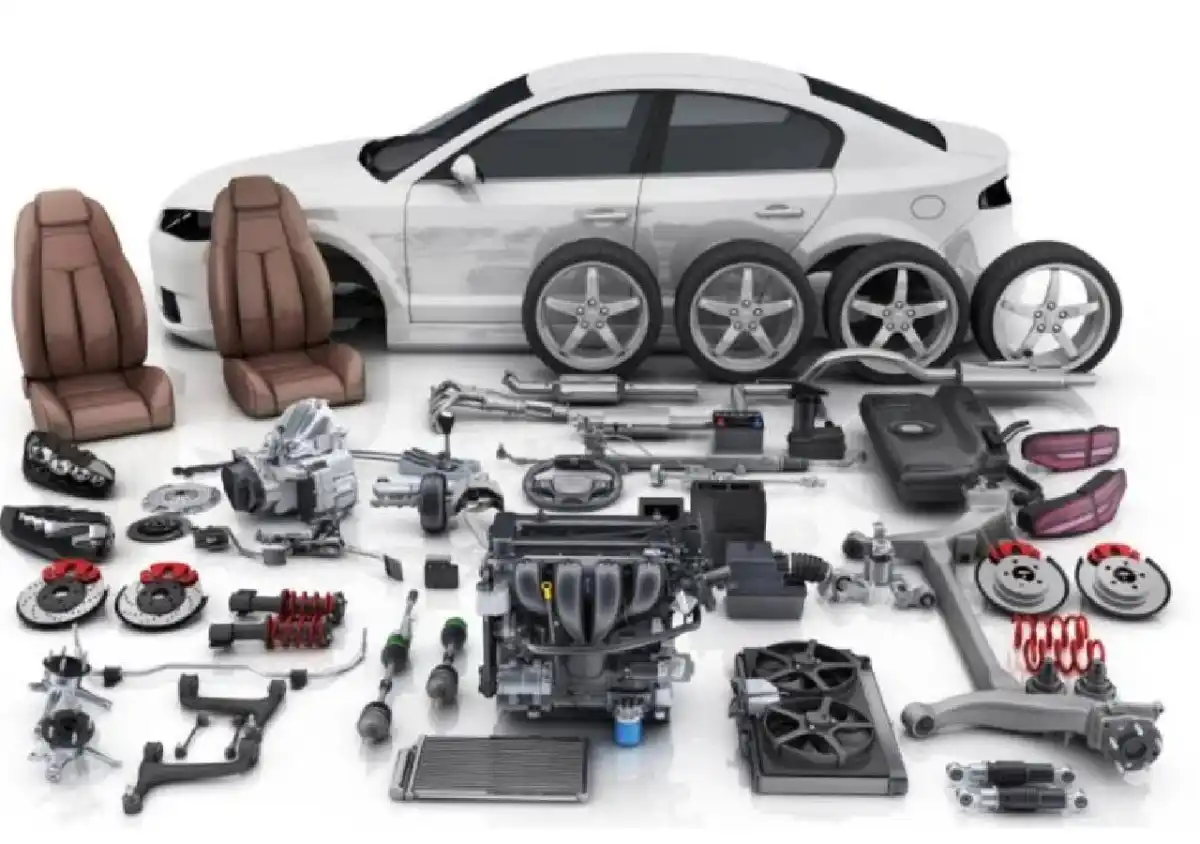
1. Superior Cooling and Heat Resistance
Saudi-spec cars are equipped with:
Heavy-duty radiators
Enhanced cooling fans
High-temperature-resistant hoses and seals
Reinforced air-conditioning compressors
Why it matters:
In extreme heat, non-spec cars may suffer from overheating, AC failure, or engine stress, especially in traffic or desert driving.
2. Air Conditioning Designed for Desert Climate
The air-conditioning system in Saudi-spec vehicles is:
Calibrated for extreme temperatures
More powerful than European-spec systems
Tested for prolonged operation in heat
Result: Faster cabin cooling, better airflow, and improved comfort even during peak summer.
3. Fuel System Compatibility
Saudi-spec cars are tuned to work optimally with:
Local fuel octane ratings
Regional fuel additives and blends
Non-spec cars may experience:
Reduced engine efficiency
Check engine warnings
Long-term fuel system damage
4. Enhanced Dust and Sand Protection
Saudi-spec vehicles include:
Stronger air filters
Better sealing for engine and electronics
Reinforced cabin filtration systems
This protects critical components from sand intrusion — a major issue in desert environments.
Safety Compliance with Saudi Regulations
Saudi-spec cars meet local safety requirements, including:
Approved lighting systems
Correct speedometer units (km/h)
Proper warning indicators
Emergency and safety labels in Arabic
Non-compliant vehicles may face:
Registration refusal
Fines or inspection failures
Insurance limitations
Warranty and Dealer Support: A Major Advantage
Saudi-Specification Cars
Full manufacturer warranty
Authorized service centers
Genuine spare parts availability
Software updates and recalls covered
Non-Saudi Imports
No official warranty
Limited or no dealer support
Higher repair costs
Difficulty sourcing parts
Saudi-Spec vs Non-Saudi Import
Resale Value: Protecting Your Investment
Saudi buyers strongly prefer Saudi-spec vehicles, which means:
Faster resale
Higher market value
Greater buyer confidence
Imported cars from other regions often suffer from:
Suspicion about durability
Lower demand
Price depreciation
Insurance and Registration Benefits
Saudi-spec vehicles enjoy:
Easier insurance approval
Better coverage options
No registration complications
Some insurers may refuse full coverage or charge higher premiums for non-spec vehicles.
Long-Term Ownership Costs
While non-Saudi imports may seem cheaper upfront, they often result in:
Higher maintenance costs
Frequent repairs
AC and cooling system failures
Reduced lifespan
Saudi-spec cars are built for longevity, reducing ownership stress and unexpected expenses.
Who Should Always Choose a Saudi-Specification Car?
Daily commuters
Families seeking reliability
Long-distance drivers
Desert and off-road enthusiasts
Buyers planning long-term ownership
A Smarter Choice for Saudi Roads
Owning a car imported according to Saudi specifications is not a luxury — it is a practical, safety-driven, and financially sound decision. From climate resilience and legal compliance to warranty coverage and resale value, Saudi-spec vehicles are engineered to deliver peace of mind where it matters most.
Choosing the right specification means choosing reliability, comfort, and long-term value in one of the world’s most demanding automotive environments.