
- Common Causes of Rough Idle
- Immediate Actions to Stop Idle Vibration (5-Minute Checks)
- Why You Should Address Rough Idling Promptly
- Long-Term Solutions for Smooth Idling
- When to Visit a Specialist (Red Flags)
- FAQ
Have you noticed your car vibrating when idle? This guide dives right into why your car is vibrating when idle and gives you clear steps to address it. Stay with us to learn how simple checks can make a big difference in your driving comfort!
Common Causes of Rough Idle
Modern vehicles are equipped with advanced computer systems and sensors that monitor their operations. These sensors help maintain proper air-fuel ratios and emissions levels. If something goes awry, the computer system will often trigger a check engine light. Here are six common causes of rough idling and vibrations:
1. Dirty or Clogged Fuel Injectors
Fuel injectors play a critical role in delivering the right amount of fuel to the engine. However, over time, carbon buildup can clog the small nozzles, disrupting the spray pattern and reducing combustion efficiency. This results in rough idling, poor fuel economy, and decreased engine performance. Regular cleaning or replacement of fuel injectors can prevent these issues.
2. Worn Spark Plugs and Ignition Components
Spark plugs are essential for igniting the air-fuel mixture in the engine cylinders. However, worn-out spark plugs, faulty wiring, or damaged ignition coils can cause misfires, leading to vibrations during idle. Replacing spark plugs every 30,000–50,000 miles ensures optimal combustion and prevents further damage to the ignition system.
3. Clogged Air Filters
Air filters trap contaminants like dust and debris before they reach the engine. Over time, clogged filters restrict airflow, causing the engine to run “rich” (too much fuel relative to air). This imbalance can result in rough idling, increased fuel consumption, and poor engine performance. Regularly replacing or cleaning air filters can resolve this issue.
4. Vacuum Leaks
Rubber hoses in your engine create a vacuum to regulate airflow and fuel delivery. Over time, these hoses can crack, wear out, or develop leaks, allowing excess air to enter the system. This disrupts the fuel-air ratio, causing engine misfires, rough idling, and increased RPMs. Inspecting and replacing damaged hoses can restore normal performance.
5. Faulty Oxygen Sensor
The oxygen sensor measures the amount of oxygen in the exhaust and communicates this information to the engine’s computer. A malfunctioning oxygen sensor provides incorrect data, causing the engine to run too rich or too lean. This imbalance can lead to vibrations, poor idling, and decreased fuel efficiency. Replacing the sensor can often resolve these issues.
6. Worn Motor Mounts
Motor mounts secure the engine to the vehicle’s frame and absorb vibrations. When these mounts weaken or break, they fail to hold the engine tightly in place, resulting in noticeable shaking or vibrations while idling. If the vibrations subside when shifting to Neutral, it’s likely the motor mounts need attention.

Immediate Actions to Stop Idle Vibration (5-Minute Checks)
1. Check Engine Mounts Through Simple Observation
Open your hood and take a good look at the rubber engine mounts connecting the engine to the frame. These mounts absorb vibrations, so if they are cracked or separated, your car might visibly shake. In many cases—up to 87% in UAE scenarios—the issue is linked to excessive movement of the engine, and a quick inspection can confirm if faulty engine mounts are responsible.
2. Test Your Fuel Quality
A simple fuel quality check can save you time and money. Pour a small fuel sample into a clear container and observe its appearance; any cloudiness or particles might indicate contaminated petrol or water infiltration. This test helps pinpoint issues with your fuel system, and if you notice debris, adding a fuel system cleaner might resolve your car vibrating when idle.
3. Quick Spark Plug Diagnosis
Spark plugs play an important role in ensuring a smooth engine operation. When you locate your ignition coils, try disconnecting one at a time while your engine is idling. If the RPM drops noticeably (under 500), that suggests a misfiring plug. Addressing this by replacing spark plugs every 30,000 km will help reduce idle vibration significantly.
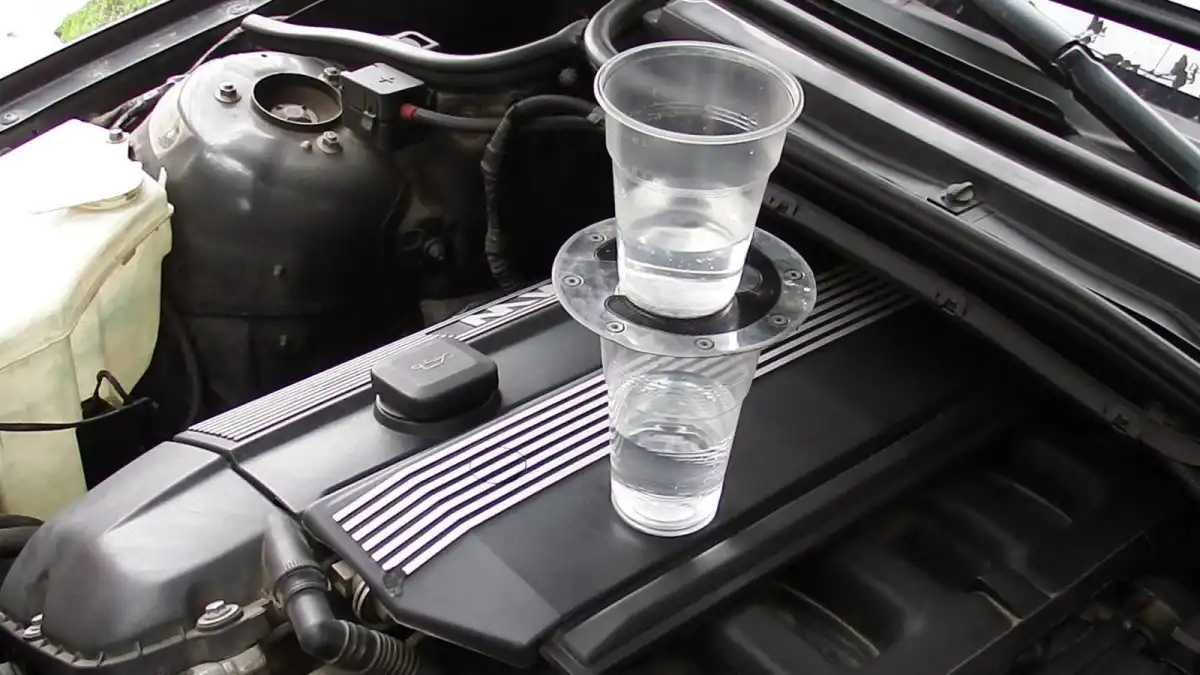
Why You Should Address Rough Idling Promptly
Ignoring rough idling and vibrations can lead to more severe issues, including engine damage, reduced fuel efficiency, and costly repairs. While some fixes, like replacing air filters or spark plugs, can be done at home, diagnosing more complex problems often requires the expertise of a skilled technician. If your car continues to vibrate or idle poorly, schedule a professional inspection to ensure all components are functioning properly.
Maintaining a smoothly running engine is essential for your vehicle’s overall performance and longevity. By addressing these issues promptly, you can avoid major repairs and keep your car in excellent condition.
Long-Term Solutions for Smooth Idling
Maintenance Schedule Updates
Regular maintenance is key to a smooth idle. Consider these updated service intervals:
Engine mounts: Replace at 80,000 km (compared to the traditional 100,000 km).
Spark plugs: Replace every 30,000 km to ensure consistently smooth performance.
Fuel injectors: Service them around 45,000 km instead of the usual 60,000 km.
These schedules, based on UAE operational conditions, help keep your car's engine balanced and vibration-free.
Software Fixes You Can't Ignore
Modern vehicles rely on software to manage key systems that affect idle quality. It’s advisable to have your ECU recalibrated every 2 years and confirm that your transmission learning resets properly. Additionally, updates to the idle air control valve can mitigate unexpected vibrations, ensuring your vehicle remains compliant with GCC guidelines.
When to Visit a Specialist (Red Flags)
If your car vibrating when idle persists or worsens, consider these red flags:
Vibration intensity increases when the AC is on
Dashboard warning lights come on
Shaking lasts longer than 5 seconds
The vibration pattern is rhythmic instead of random
Many workshops in Dubai and across the GCC now offer complimentary vibration analysis scans. Taking advantage of these can help you avoid costly repairs later!
If your car vibrates while driving, click this article to help you solve it by explaining the top 5 causes and solutions
FAQ
Q1:Could worn engine mounts really cause my car to vibrate when idle?
Yes, worn or damaged engine mounts are a common culprit. They are designed to dampen the engine's vibrations, and when they deteriorate, more movement is transferred to the chassis. This is why inspecting them regularly can prevent issues. In many GCC cases, checking engine mounts offers a quick clue to solving the idle vibration mystery.
Q2:How do spark plugs influence idle stability?
Faulty spark plugs can lead to misfires that disrupt smooth engine performance. If you notice a drop in RPM when disconnecting an ignition coil, it may point to a problem with the spark plugs. Replacing them according to the recommended maintenance interval (around 30,000 km) usually improves engine balance. Spark plug health is essential for ensuring that your car does not vibrate when idle.
Q3:Could fuel quality really be linked to my car vibrating when idle?
Absolutely, fuel quality plays a crucial role in engine performance. Low-quality or contaminated fuel can lead to poor combustion, which in turn can cause your engine to shake when idling. Taking a moment to check the fuel's clarity and investing in a fuel system cleaner if necessary can help stabilize engine operation. This simple test is especially useful in regions with variable fuel quality.
Q4:Why do hybrid vehicles experience different vibration patterns at idle?
Hybrid vehicles are built with advanced systems that manage both electric and combustion power. Their frequent start/stop cycles, along with additional components like battery cooling systems, may generate unique vibration patterns. Understanding how these systems interact can help you differentiate between normal hybrid behavior and issues that need attention. Regular diagnostics and maintenance checks ensure that the vehicle’s software accurately manages these transitions.
Q5:What long-term measures can I take to prevent my car from vibrating when idle?
Maintaining a consistent service schedule is key. Replace spark plugs, engine mounts, and fuel injectors according to the updated intervals specified for your region. Also, don’t overlook software updates and ECU recalibration, which help manage idle performance. Routine check-ups at specialized GCC service centers can further reduce the risk of recurring idle vibrations.
Note:This article is for informational purposes only. Please refer to local laws and regulations for the most current guidelines.
Read more:
How Much Is Car Registration in Dubai?
What Is Coolant in a Car? 2025's Guide for Smart Drivers
How to Replace Your Car Battery :7-Step for Safe DIY Installation